Buoux
"Buoux barely counts as a village, but the fort above it has been worth defending for two thousand years."
A hamlet so small the fort above it outnumbers the houses, perched over a valley that turned out to be one of the best climbing spots in France and one of the quietest walks I've done in the Luberon.
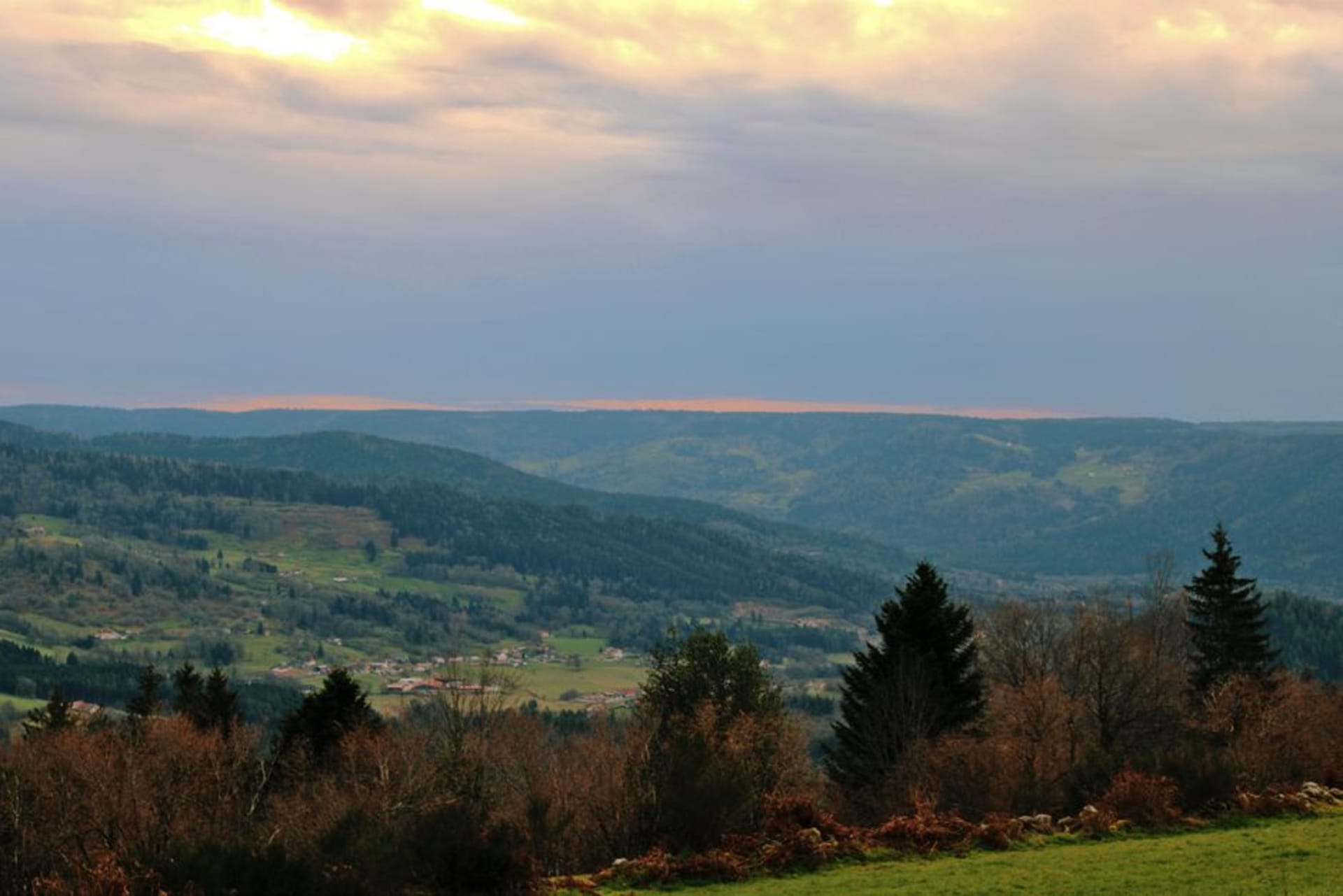
Buoux isn’t really a village so much as a scatter of farmhouses in a fold of the Luberon, and I only found it because a climber we met in Lourmarin wouldn’t stop talking about the cliffs. There’s no square, no church you’d stop for, barely a bar — what there is instead is the Aiguebrun valley, cut deep and green between two limestone plateaus, and a fort perched on a rock spur above it that has apparently been worth fighting over since the Ligurians first fortified the site well before the Romans arrived.
A fort that changed hands more than the house next door
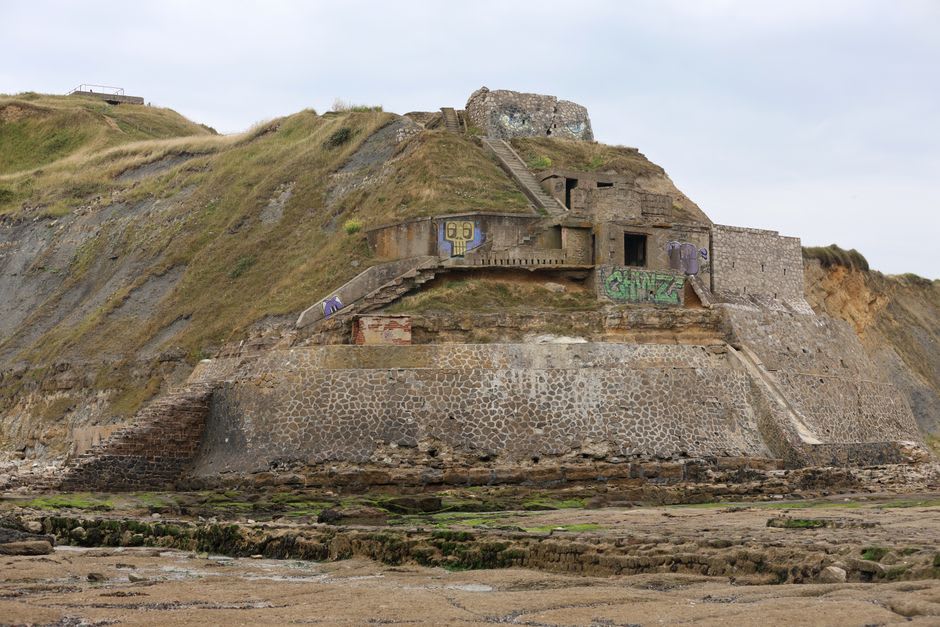
The Fort de Buoux occupies a narrow limestone ridge with sheer drops on either side, a natural stronghold that later Romans, then medieval lords, then Cardinal Richelieu’s demolition crews all took turns controlling. Richelieu had it dismantled in the 17th century to stop it sheltering Protestant rebels during the Wars of Religion, and what’s left today is a genuinely eerie ruin — carved silos cut straight into the rock for grain storage, a stairway hacked into the cliff face that locals call the escalier des Ligures, and stretches of wall that just stop at the edge of a drop with nothing to catch you. We walked it slowly, the two of us and nobody else, which is not a sentence you get to write often about a Luberon landmark in summer.
The valley that climbers already knew about
Below the fort, the Aiguebrun valley and the cliffs around Buoux form one of the most established rock-climbing areas in France, dense with bolted routes across every grade that draw climbers from well outside Provence. We’re not climbers, but we spent an hour at the base just watching people work their way up faces that looked completely blank from where we stood, and the contrast between the silence of the abandoned fort and the quiet concentration of the climbers below felt oddly matched — both were people testing themselves against the same rock for very different reasons, centuries apart. The walk back down through oak woods along the valley floor, with the Aiguebrun barely a trickle in July, was the most peaceful hour we spent anywhere in the Luberon.

When to go: Spring and autumn for hiking, when the fort’s exposed ridge isn’t punishing in the heat; climbers favor the same shoulder seasons, though the routes stay in shade long enough to work through much of summer too.
Keep exploring
More of Provence