Salins-les-Bains
"The salt under this town is older than the kings who fought over it, and it's still doing its job."
A UNESCO-listed saltworks built into a river gorge, where I walked underground galleries that funded the Franche-Comté for a thousand years before soaking in the same brine that made the town rich.
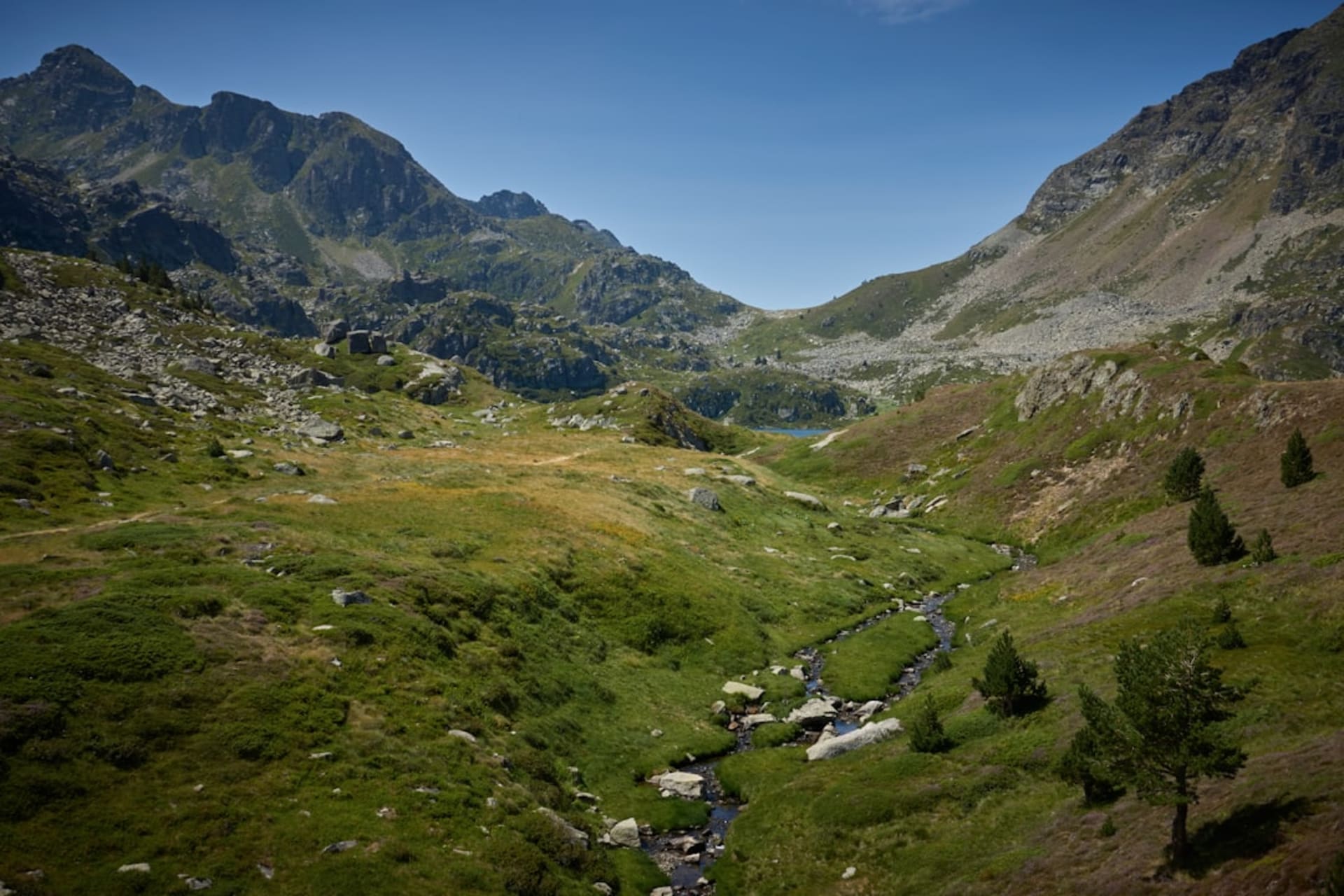
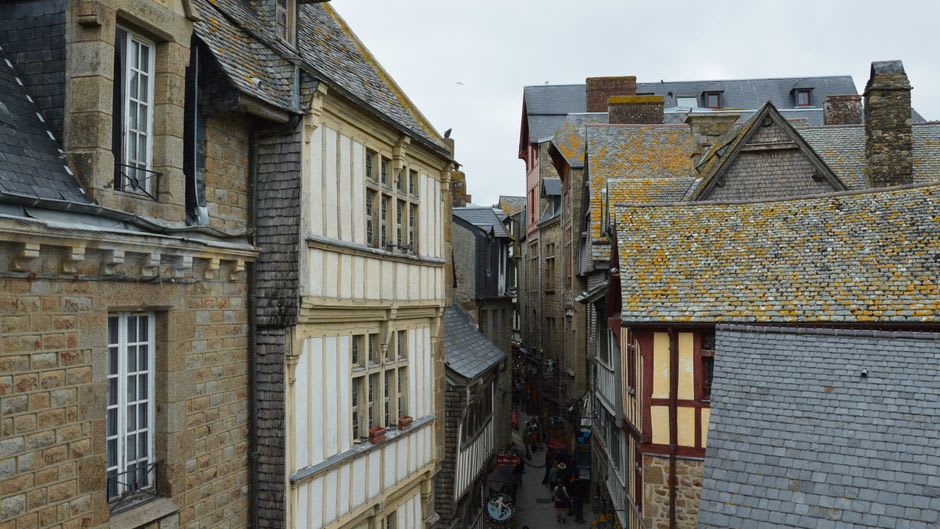
Salins-les-Bains sits wedged into a narrow gorge of the Furieuse river, and the first thing you notice is that the town barely fits — houses stacked up the slope on either side, the whole place clearly built around one resource rather than around any convenient flat ground. That resource is salt, and it’s the reason Salins existed at all long before anyone cared about scenery. Salt springs here have been worked since at least the Bronze Age, and the site is jointly UNESCO-listed with the Royal Saltworks at Arc-et-Senans, which received Salins’ brine through a pipeline that once ran for over twenty kilometers.
Underground, following the brine
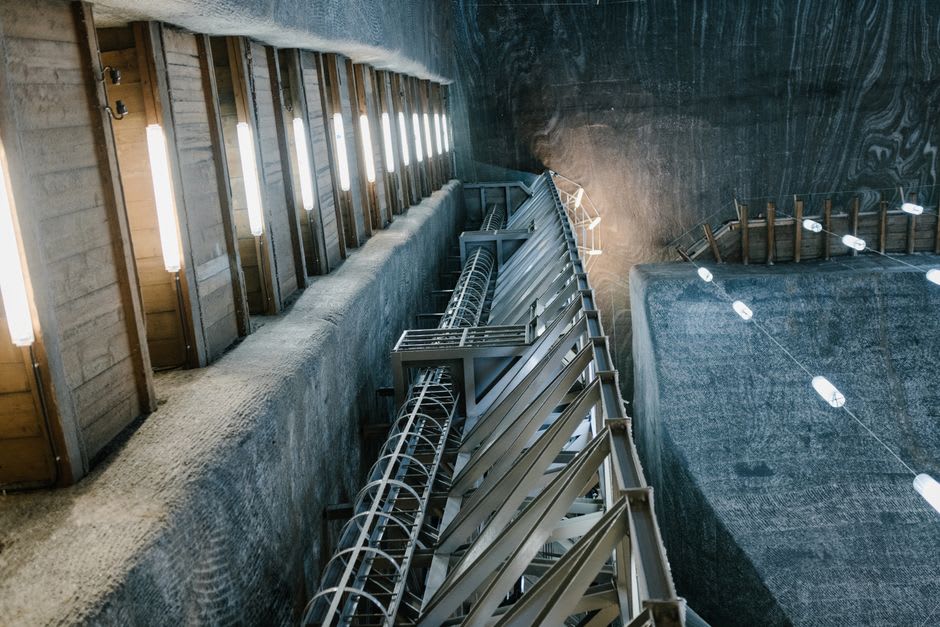
The Salines royales tour here takes you down into the actual medieval and Renaissance galleries cut into the rock, where wooden pipes and pumping mechanisms once drew up the saline water that made this valley worth fighting over — the Franche-Comté’s salt monopoly funded castles, wars, and centuries of Habsburg and then French administration. Walking through the dim, dripping tunnels with a guide, touching walls that are genuinely white with crystallized salt in places, I kept thinking about how unglamorous the source of so much historical power actually is: it’s just water, dragged up a shaft, boiled down in enormous pans until nothing but crystals remain.
A spa town that never stopped being useful
Because the brine never stopped flowing, Salins became a proper thermal spa town in the 19th century, and it still is — the Établissement thermal on the edge of town uses the same salt water for treatments today, and we spent a genuinely restorative afternoon there after a week of hiking the Reculées valleys nearby. Above the town, Fort Saint-André and Fort Belin glower down from the ridgelines, Vauban-era fortifications built to protect the salt trade from anyone tempted to take it by force, and the walk up to Saint-André’s ramparts gives a view down over the whole gorge that makes the town’s cramped, vertical layout finally make sense.
When to go: Late spring through early autumn for the forts and the gorge walks, though the thermal baths are a genuine reason to visit in the depths of winter when everything else in the Jura is closed for the season.
Keep exploring
More of Jura