Saint-Claude
"A town this cramped shouldn't have room for a cathedral, but Saint-Claude found room anyway."
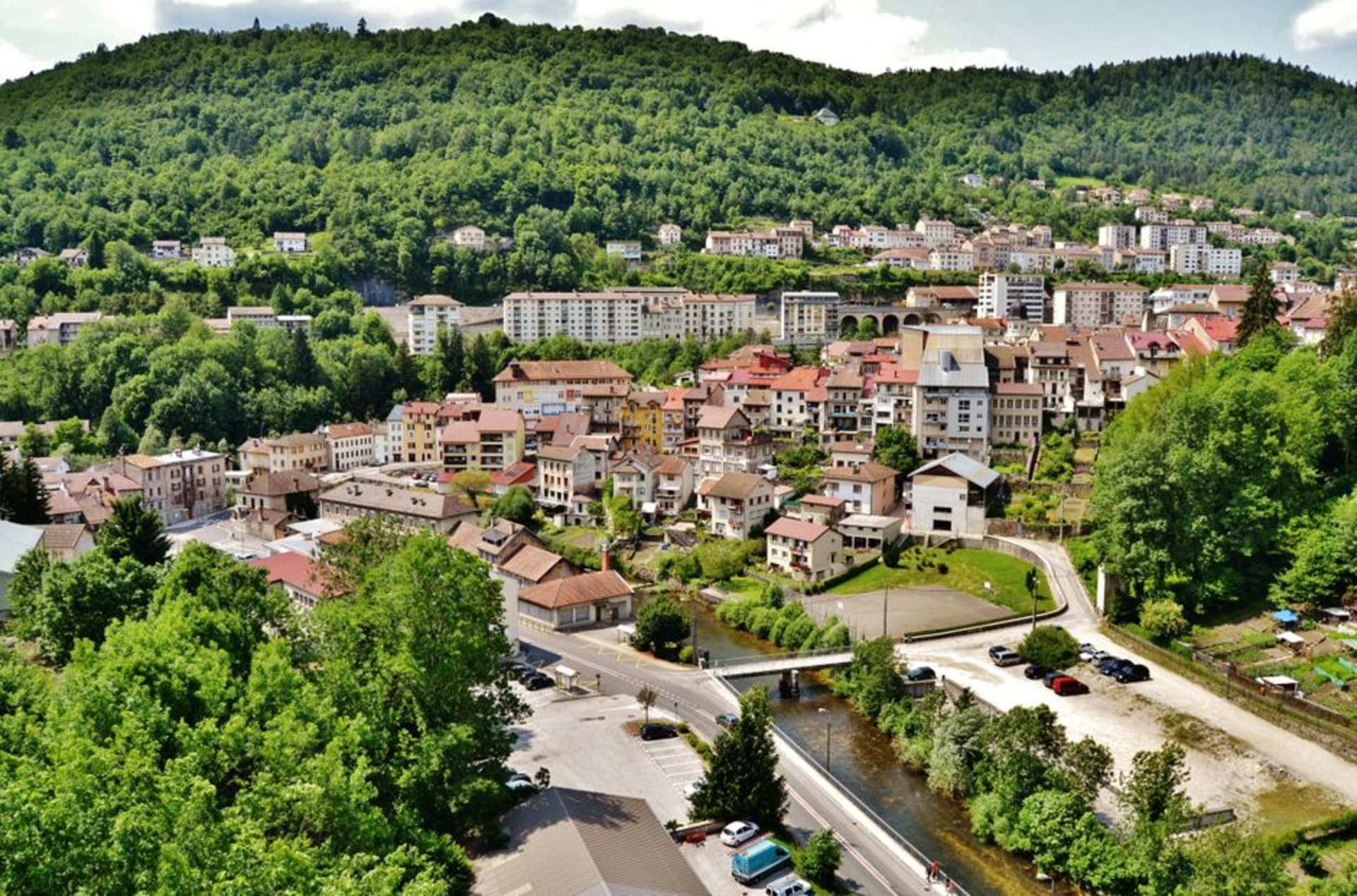
A town squeezed into a river gorge so tight the streets have to climb in switchbacks, famous for carving pipes and cutting diamonds, which is a stranger combination than it sounds until you see the place.
Saint-Claude sits at the confluence of two rivers, the Bienne and the Tacon, in a gorge so steep and narrow that the town had almost nowhere to grow except upward and along the valley floor in a long thin ribbon. Driving in, the road switches back repeatedly down the hillside before it even reaches the center, and the whole approach gives the sense of a place that had to fight the landscape for every square meter it occupies. It’s the southernmost real town in the Jura, close enough to the high plateau and the Swiss border that the light and the vegetation both feel a notch more alpine than anywhere else we’d stopped.
Pipes and diamonds, oddly, from the same streets
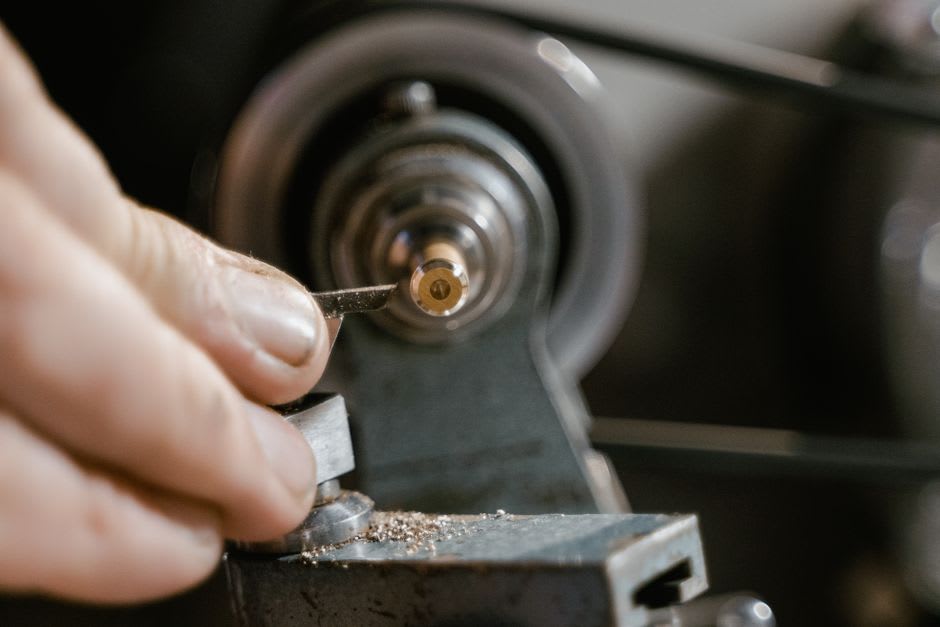
What Saint-Claude is actually known for is an unlikely pair of crafts: briar pipe carving and diamond cutting, both of which took root here in the 19th century thanks to local wood-turning skill and a Savoyard diamond-polishing tradition that migrated in with itinerant workers. The Musée de la Pipe et du Diamant downtown lays out both histories side by side, cases of ornately carved pipe bowls next to cutting wheels and loose stones, and it sounds like a joke of an exhibit until you’re actually standing in front of a hand-carved briar pipe with more detail on its bowl than most sculptures I’ve seen. A retired pipe-maker running a small workshop nearby let us watch him rough out a bowl on a lathe, wood shavings curling onto the floor, and told us the best briar root still comes from Mediterranean scrubland, shipped up here because that’s simply where the skill ended up concentrating.
A cathedral wedged into the gorge
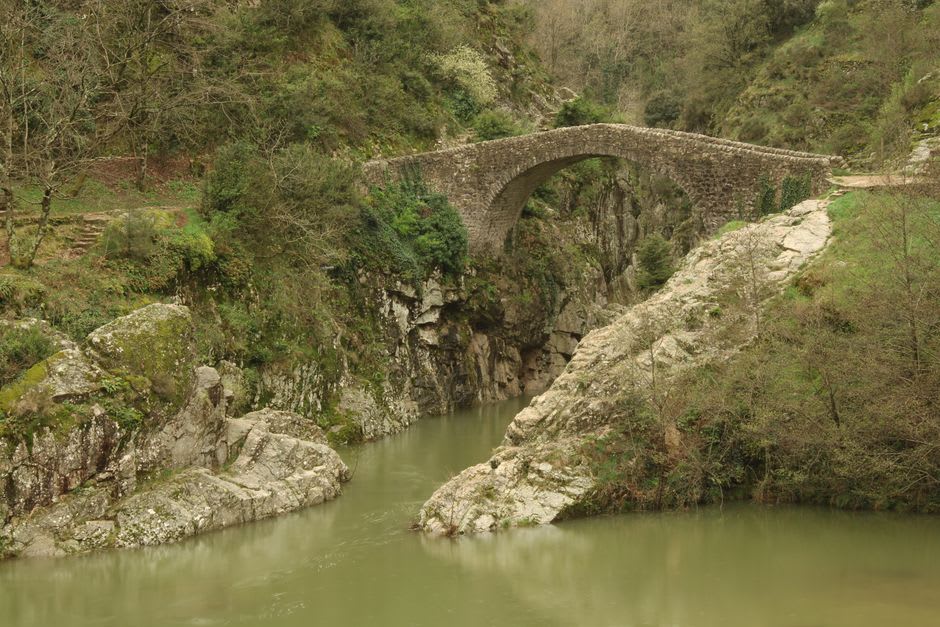
Saint-Claude’s Gothic cathedral, dedicated to Saint Pierre, feels almost too large for the tight urban fabric around it, its facade rising directly off a small square with barely enough distance to take it in properly. The town grew up around a Benedictine abbey founded here in the 5th or 6th century, precisely because the gorge offered isolation, and the cathedral is what’s left of that monastic prestige after the Revolution swept most of the rest away. From the Pont du Diable just outside town, a stone bridge arching high over the Tacon gorge, you get a proper sense of just how deep and sheer this valley actually is — the kind of drop that makes you understand instinctively why nobody built a wide, comfortable town here.
When to go: Summer, for the gorge walks and the Route des Sapins forest drive above town; the cathedral and museums are open year-round but the surrounding trails are best from June to September.
Keep exploring
More of Jura