Poligny
"Ten thousand wheels of cheese in one room, and every single one tastes slightly different."
The self-declared capital of Comté cheese, where a fruitière let me into a cellar of ten thousand wheels and I finally understood why the French argue about affinage the way we argue about mezcal back home.
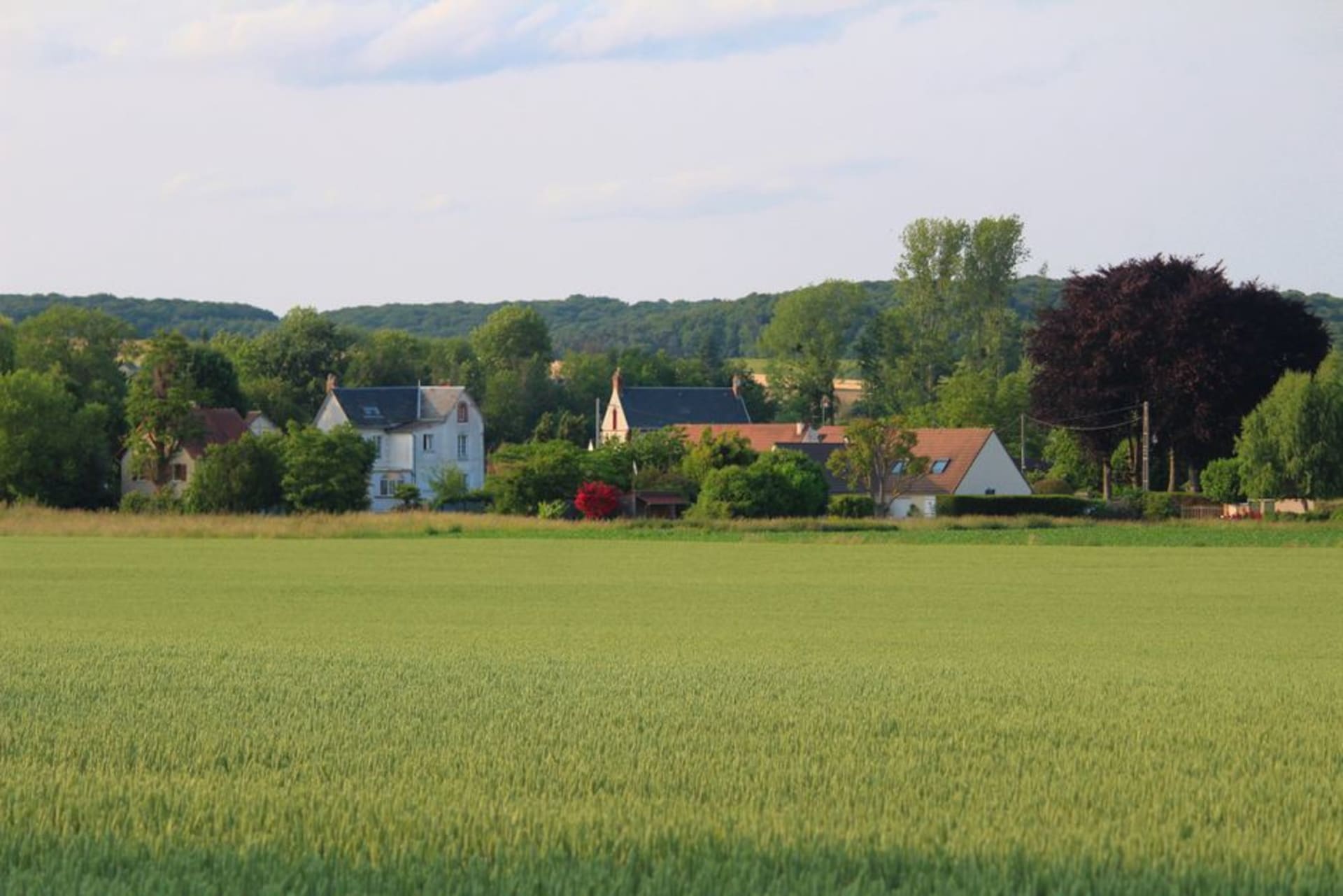
Poligny calls itself the capital of Comté, and after a morning inside one of its aging cellars I stopped thinking of that as marketing. The town sits right where the Jura plateau starts folding into its first serious hills, at the mouth of the Culée de Vaux, and its entire economy for centuries has revolved around one enormous, patient process: turning milk from a few hundred nearby farms into wheels of cheese the size of car tires, then waiting.
Inside a cellar of ten thousand wheels
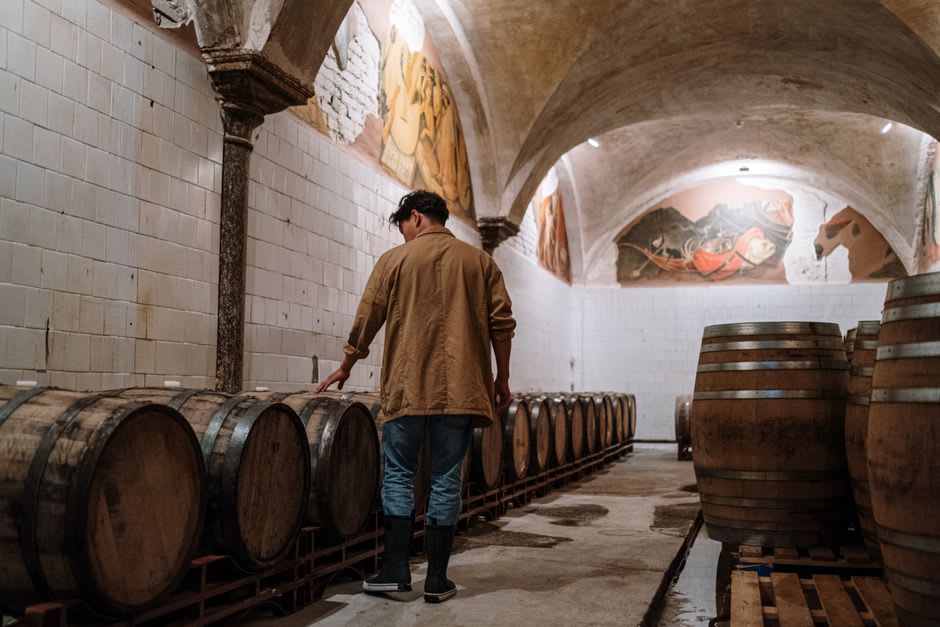
We toured a fruitière just outside town — a cheese-making cooperative, the traditional unit of Comté production, where small dairy farmers pool their milk rather than each trying to make cheese alone — and then followed the wheels into an affineur’s cellar carved partly into the hillside, cool and faintly ammoniac, row after row of shelves holding cheeses at every stage from four months to over two years old. The affineur running the tour picked up a probe, tapped a wheel like a doctor checking a chest, and pulled a plug of cheese out to taste on the spot; three wheels from the same batch, aged side by side, tasted like three different cheeses. That’s the whole art of affinage, apparently — the same milk, the same starting recipe, diverging entirely depending on how the cellar and the turning schedule shape it.
A town built to smell like this
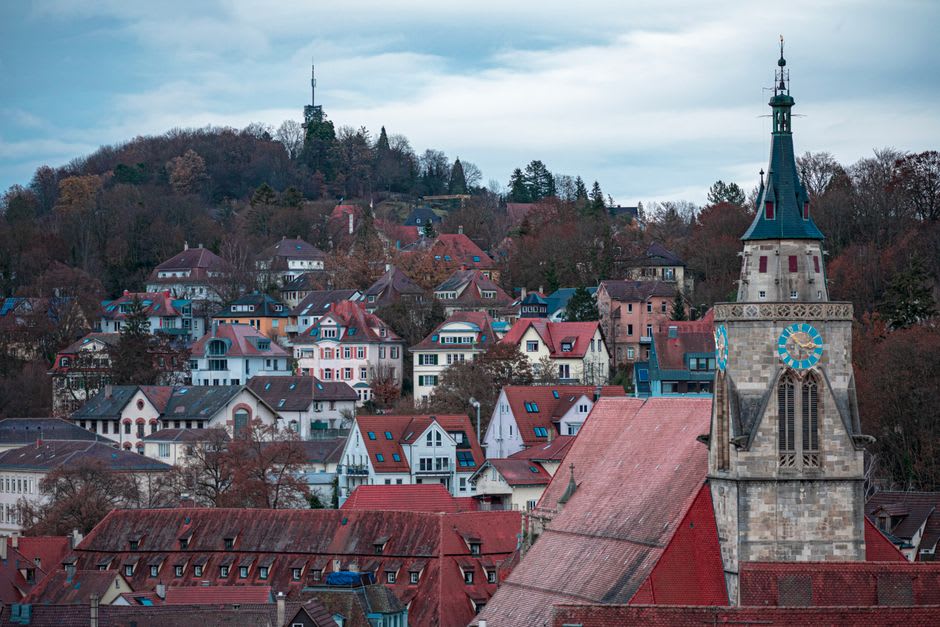
Above ground, Poligny itself is a modest, handsome little town of steep tiled roofs and one grand Gothic collegiate church, but every second storefront seems to sell cheese, and the smell of the cellars drifts up through grates in the street in a way I found oddly comforting rather than off-putting. The Maison du Comté on the edge of town runs a genuinely good exhibition on the whole production chain if you want the full picture before tasting, and it also functions as the practical gateway to the Reculées — the dramatic, dead-end limestone valleys that cut into the plateau just behind the town, including the Culée de Vaux, where a short walk brings you to a waterfall tumbling straight out of the cliff face.
When to go: Autumn, when the new season’s Comté starts appearing and the Reculées valleys behind town turn color, though the cellars run tours year-round and are actually a pleasant escape from summer heat.
Keep exploring
More of Jura