
Foncine-le-Haut
"They used to make clocks here through the winters because there was nothing else to do but sit and be precise."
A high Jura ski village where the winter trade used to be carving wood and building clocks by hand, and where a few workshops still keep both crafts alive between chairlift runs.
Foncine-le-Haut sits high enough in the Jura, around 900 meters, that its whole rhythm of life used to be dictated by how long the snow kept people indoors each year. That’s the detail that stuck with me most: this is one of the villages where the long, isolated Jura winters gave rise to a tradition of skilled handwork, wood carving and clockmaking especially, because farming stopped dead for months and someone had to find something productive to do with idle hands and long evenings.
Wood, turned by hand
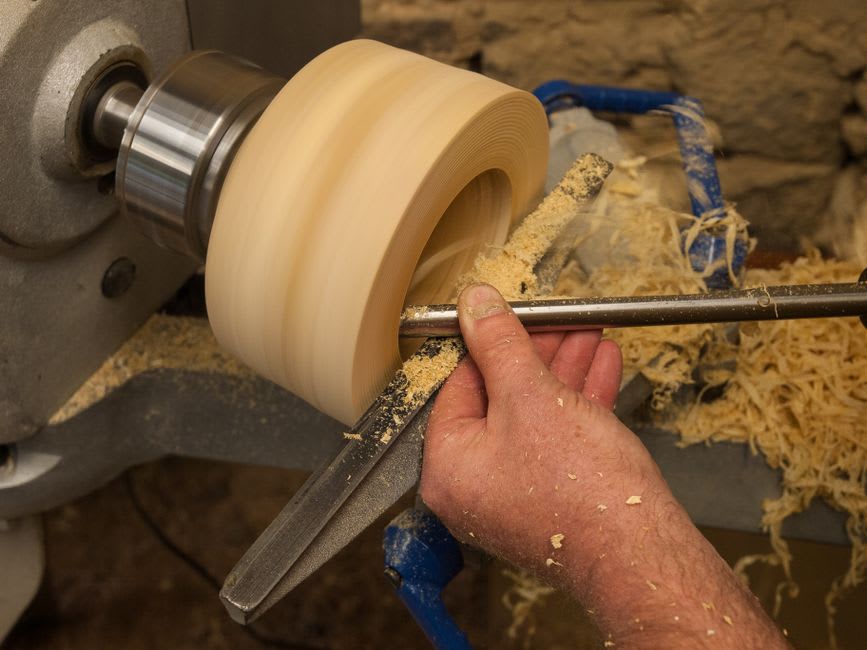
The village grew a reputation for turned wood — bowls, toys, tool handles, the kind of small domestic objects that a farming household actually needed — made on foot-powered lathes in home workshops through the winter months. A handful of artisans still practice the craft today, and we watched one work a block of local wood into a bowl in maybe ten minutes, shavings curling off in one continuous ribbon, the kind of unhurried competence that only comes from doing something for decades. The regional connection between the Haut-Jura and precision handwork runs deeper than wood, too — clockmaking took hold across these plateau villages for the same seasonal reason, feeding what eventually became a serious watchmaking industry a bit further north.
Skiing where the craft tradition began
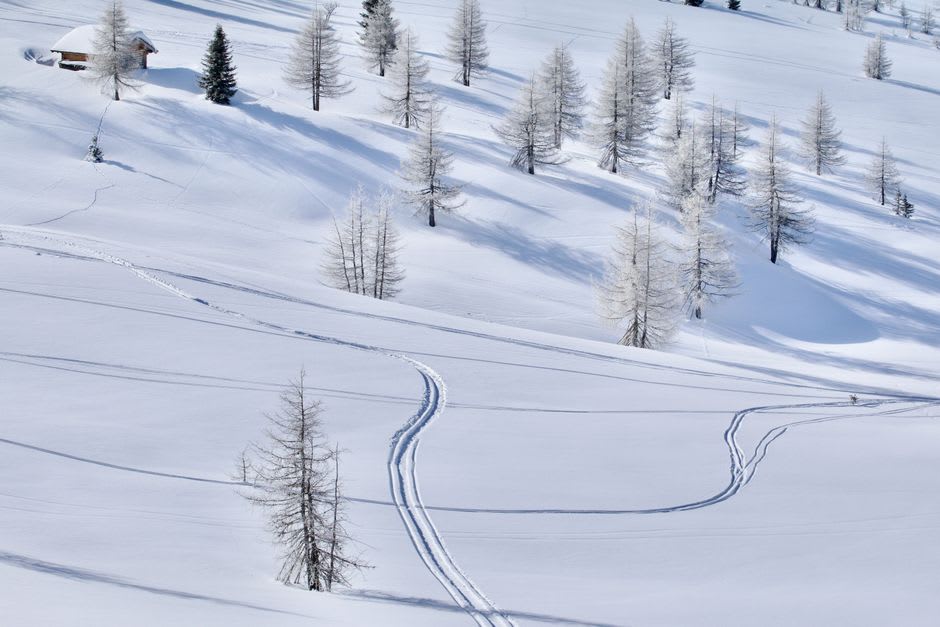
These days Foncine-le-Haut is better known as a modest, family-oriented ski area, with both downhill runs and an extensive network of cross-country trails threading through the surrounding forest — quieter and less built-up than the bigger Jura resorts, which is exactly what drew us. We spent an afternoon on the cross-country loops through larch and spruce, stopping at a village bakery afterward that still sold the kind of dense, sustaining bread clearly designed for people who’d spent all day outside in the cold.
When to go: December through March for skiing, when the village workshops also tend to be busiest making pieces for the winter tourist trade.
Keep exploring
More of Jura