The town where Louis Pasteur was born in a tannery by the canal, and where the old quarter's arcaded streets convinced me the Jura had a proper city hiding at its edge all along.
I’d driven past Dole a dozen times on the A39 heading toward the mountains before I actually stopped, which was a mistake I only understood once I did. Everyone treats it as a footnote before Arbois or Besançon, but Dole was the capital of Franche-Comté for three centuries before Louis XIV’s armies burned it half to the ground in 1668 and the parliament moved to Besançon out of spite. What survived, or was rebuilt, is a dense knot of Renaissance stone that still feels like it’s protecting something.
The tannery on the canal
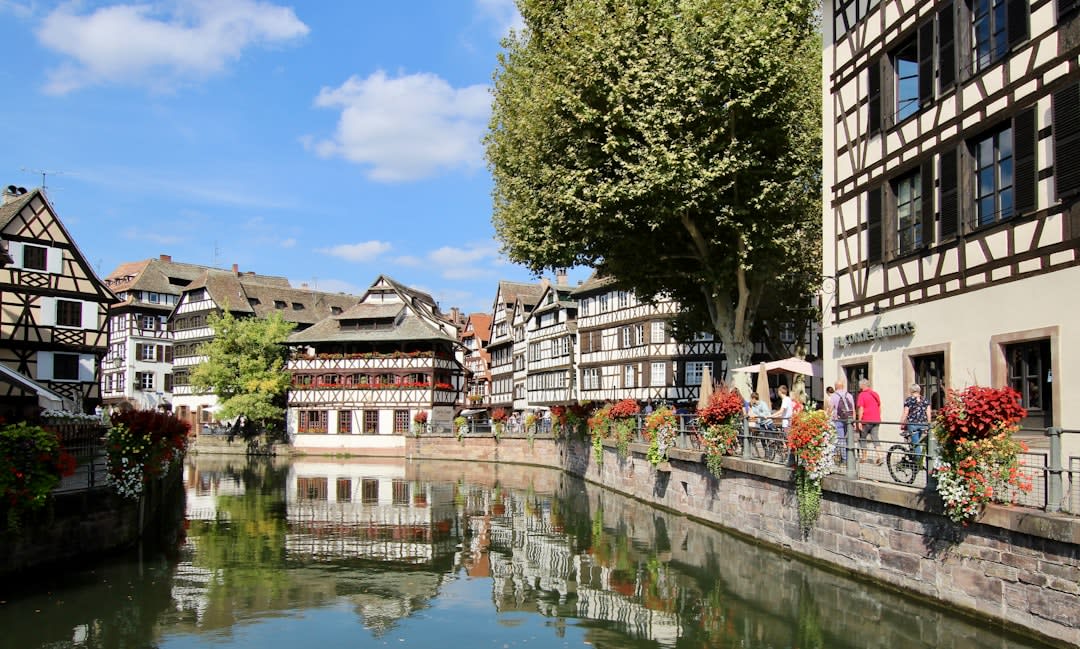
Louis Pasteur was born in 1822 in a modest house that backs directly onto the Canal des Tanneurs, where his father worked as a leather tanner, and the building is preserved almost exactly as it would have looked then — low-ceilinged, practical, nothing like a shrine. Standing on the little footbridge outside it, watching the canal water barely move under the willows, I found it strangely moving that the man who explained why milk goes bad grew up smelling curing hides. Lia pointed out that half of Dole’s old town is basically an amphitheater of reflections, every stone facade doubled in the water, and once she said it I couldn’t stop noticing.
Getting lost in the old quarter on purpose
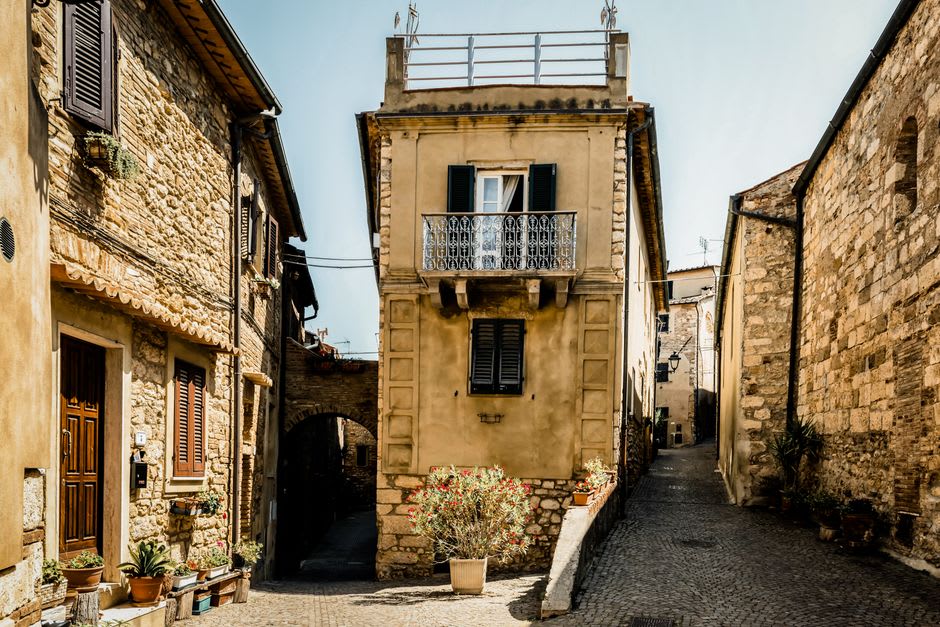
The real pleasure of Dole is the tangle of streets behind the collegiate church of Notre-Dame, whose stubby fortified bell tower looks like it was built to survive a siege because it was. We spent an entire late afternoon just wandering the Rue Pasteur and the little covered passages off it, arcaded facades in warm ochre stone, laundry strung between windows, the kind of quiet that only shows up in towns nobody’s rushing through. A woman running a tiny epicerie sold us a wedge of unlabeled Comté she said came from “just up the valley,” and it was better than anything I’ve bought in a supermarket in Mexico City in three years.
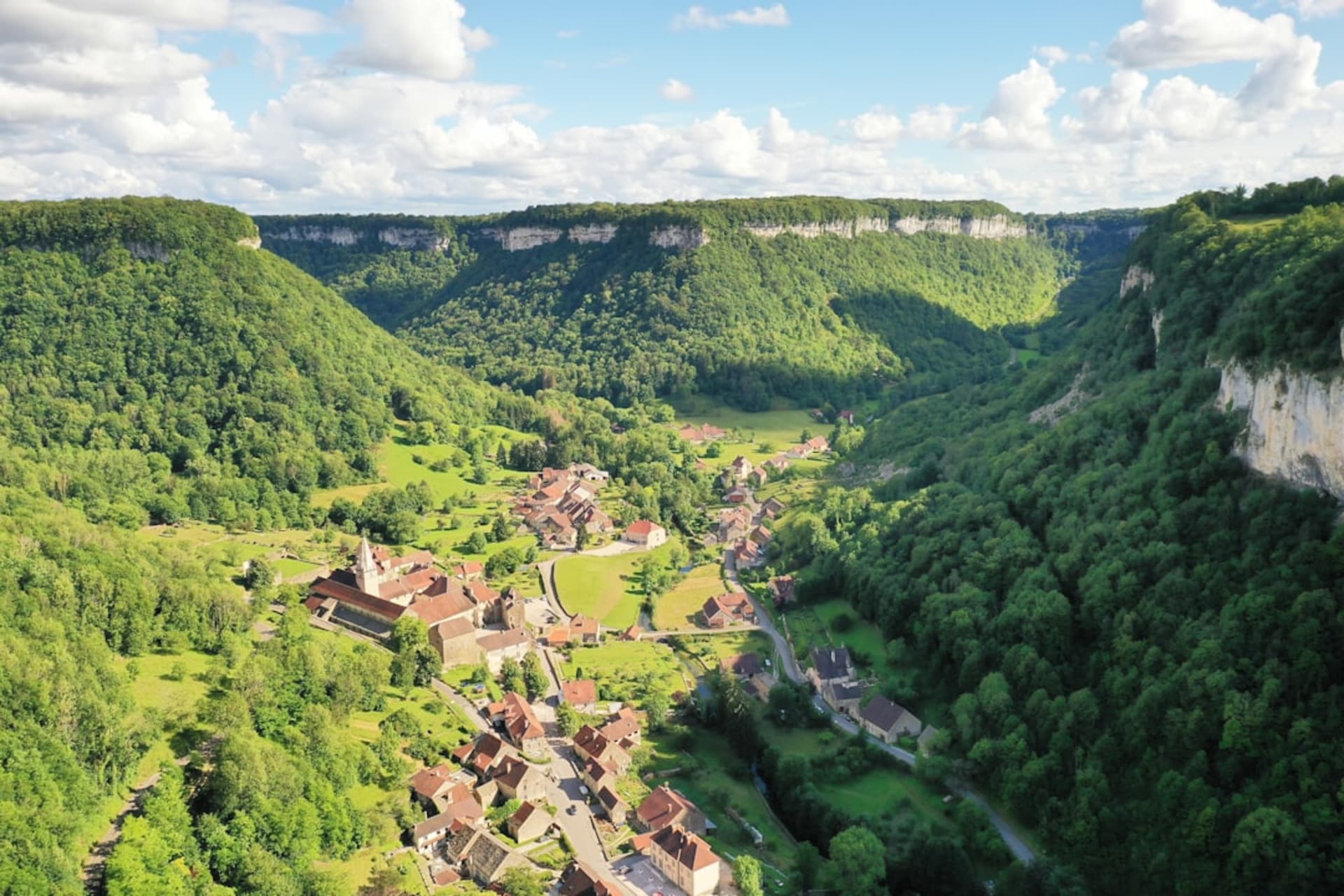
Dole also makes an easy, underused base for the Reculées valleys further into the Jura — the dramatic dead-end gorges around Baume-les-Messieurs and Château-Chalon are barely forty minutes away, and starting from a quiet canal town rather than a tourist-dense village changed the whole rhythm of the trip.
When to go: May and June, when the canal banks are green and the town hasn’t filled up with the summer river-cruise crowd; the Christmas market in December is also worth the cold if you’re already in the region.
Keep exploring
More of Jura