Yvoire
"Every window box in Yvoire looked entered in a competition, and it turns out that's basically true."
A walled medieval village on Lake Geneva so relentlessly flower-draped that I genuinely wondered, walking in, whether the geraniums were maintained by a full-time municipal staff. They are.
Yvoire sits on a small peninsula on the French shore of Lake Geneva, or Lac Léman as it’s called on this side of the water, and it’s one of a small, officially designated club: Les Plus Beaux Villages de France, the association that certifies genuinely exceptional historic villages rather than letting every pretty stone town claim the title. Yvoire earns it on architecture alone — a complete 14th-century fortified village, walls, gates, and a lakeside château all still standing much as they were when the Lords of Yvoire built the place to control lake traffic between Geneva and the French shore.
A village that takes its flowers seriously
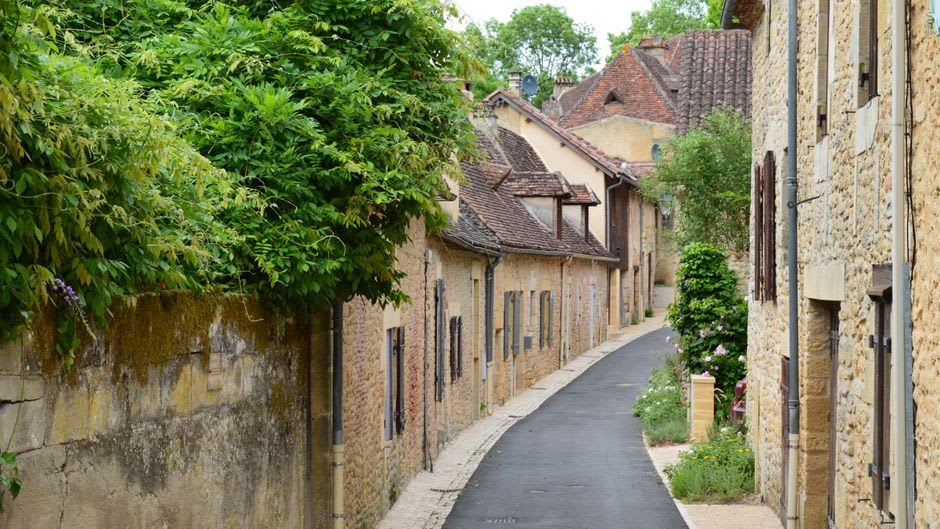
What actually stops you in your tracks walking through the gate, though, is the flowers. Yvoire has run a coordinated village-wide floral programme for decades, and it shows in a way that’s hard to overstate: geraniums cascade from every window box, wisteria climbs entire facades, and stone lanes barely two metres wide are so thickly hung with colour on both sides that the grey stone underneath nearly disappears. Lia, who notices this kind of thing more than I do, pointed out that the colour palette itself seemed deliberately coordinated street by street — pinks and reds dominating one lane, purples and whites another — and she was right, more or less; the village horticulture committee plans it that way every spring.
The garden built for all five senses
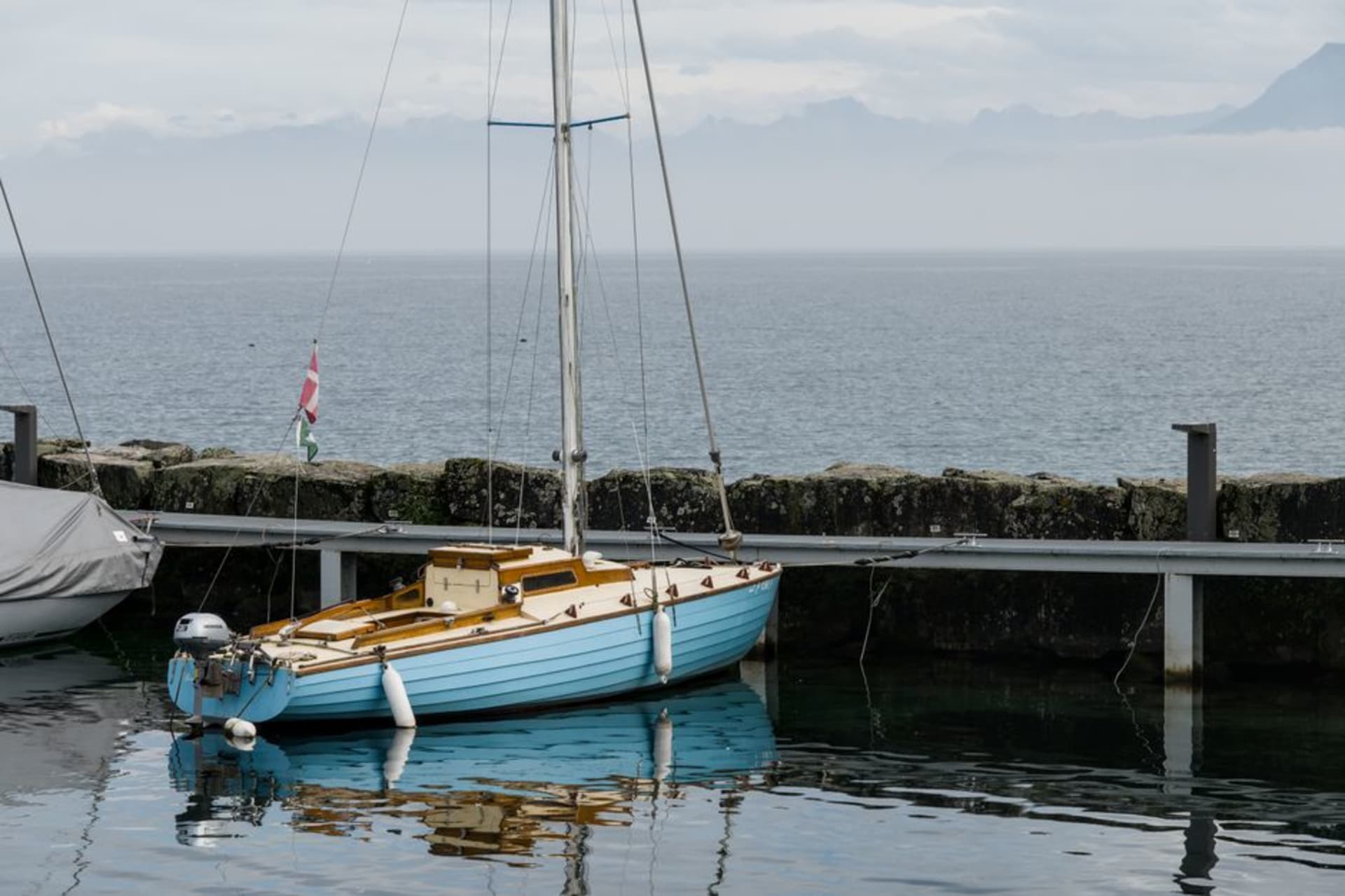
Inside the château grounds is the Jardin des Cinq Sens, a walled Renaissance-style garden deliberately designed around taste, touch, smell, sight, and sound — a section planted entirely with edible herbs you’re invited to nibble, another with plants chosen for texture, a water feature built specifically for its acoustics. It’s a small garden, walkable in half an hour, but the concept is executed with a level of care that made it one of the more thoughtful gardens either of us had visited in France, up there with much larger and more famous ones. We finished the visit at the harbour, watching the small ferries that cross to Nyon on the Swiss shore, the water flat and pale grey-blue under an overcast sky, snow-capped peaks just visible on the far side.
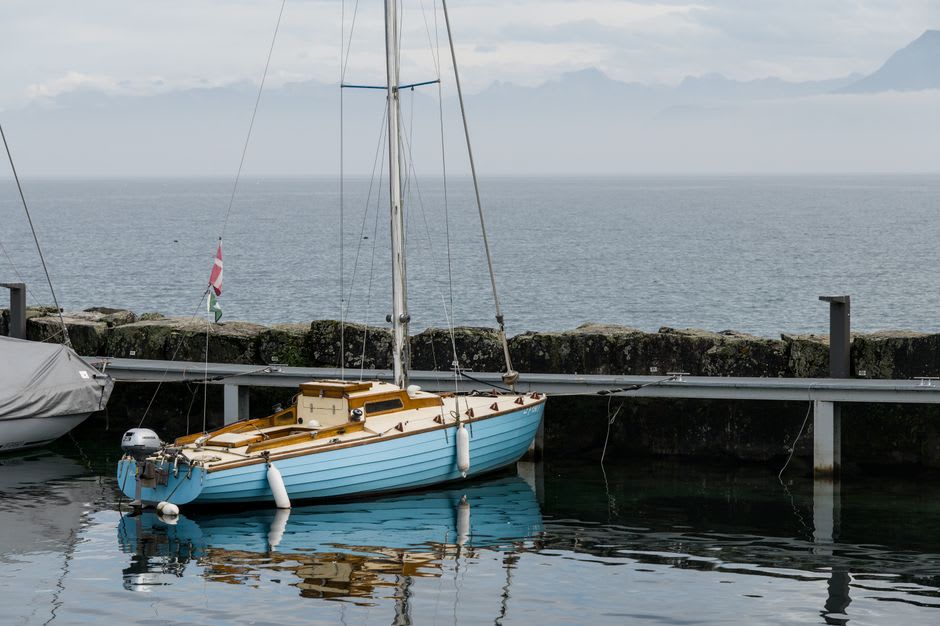
Yvoire’s other historic identity, easy to overlook among the flowers, is as a fishing village — the féra, the same delicate whitefish found in Talloires, has been caught here for centuries, and a few restaurants along the harbour still serve it grilled with nothing more than butter and lemon.
When to go: June through August for the flowers at their fullest and the lake at its most inviting, though Yvoire is small and gets genuinely crowded with day-trippers from Geneva and Annecy in peak summer. Visit early morning or come in September for the same floral display with noticeably thinner crowds.
Keep exploring
More of French Alps