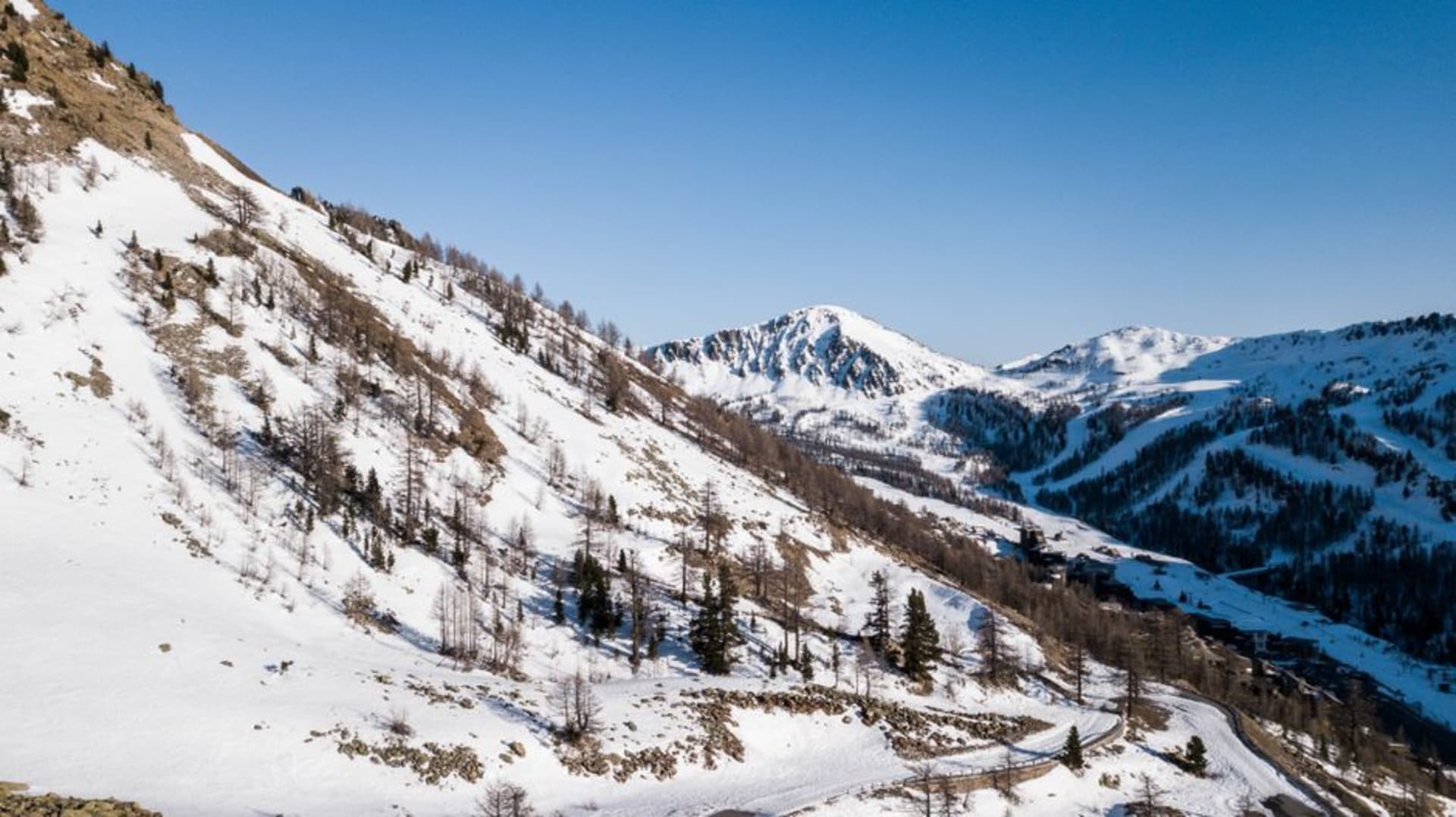
Val d'Isère
"I skied down a World Cup course at half the speed and twice the fear of the people who race it."
The high-altitude resort that made Jean-Claude Killy a legend, where the World Cup downhill course is a public piste and the glacier keeps the season going into summer.
Val d’Isère sits at 1850 metres at the head of the Haute Tarentaise, a valley so steep and so deep in winter snow that the road up from Bourg-Saint-Maurice used to close for weeks at a time before modern avalanche management. The village itself only became a serious ski destination in the 1930s, but it detonated into global fame in the 1960s and 70s through one man: Jean-Claude Killy, local boy, triple Olympic gold medallist in 1968, who turned Val d’Isère from a remote farming hamlet into shorthand for French alpine skiing at its most serious.
Skiing the Face
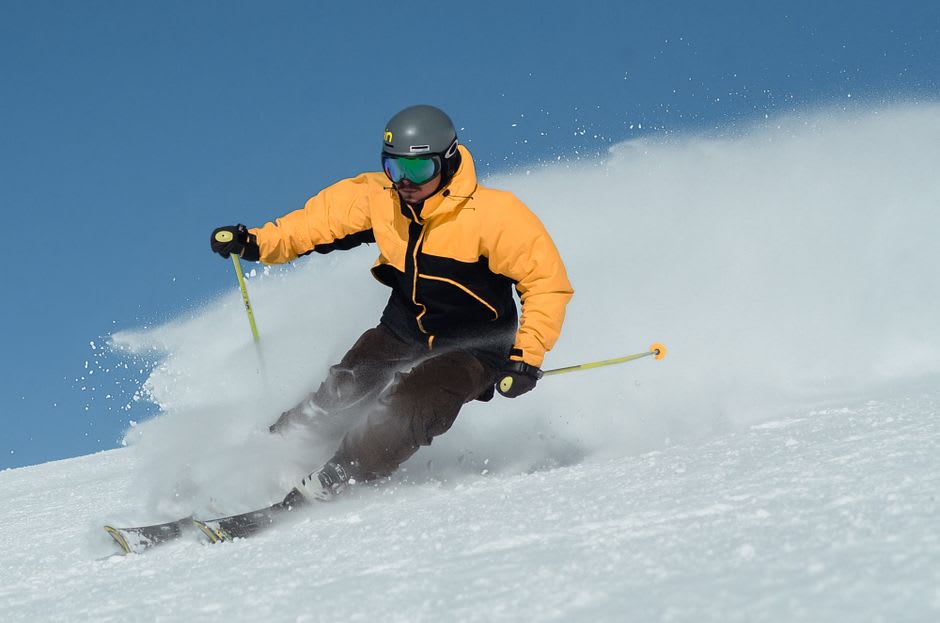
You feel that seriousness the moment you ride up toward the Bellevarde. La Face de Bellevarde is the actual World Cup downhill course — steep, icy in patches, genuinely intimidating even groomed and open to the public — and skiing it, badly, at a fraction of racing speed, was one of those moments where I understood the gap between “I ski” and what these athletes do for a living. Lia took one look at the pitch from the top and opted for the gentler run alongside instead, which was the correct decision. Val d’Isère and neighbouring Tignes together form the Espace Killy, one of the largest lift-linked ski areas in the world, and you can genuinely spend a week without repeating a run.
Summer on the glacier
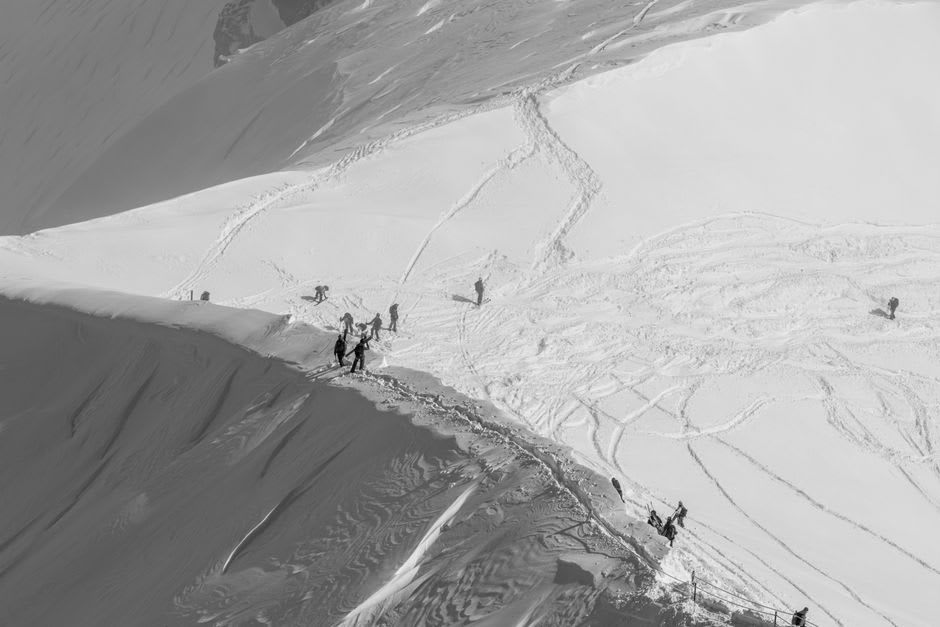
What surprised me, and surprises most people who only know Val d’Isère as a winter word, is that the season doesn’t really end in April. The Pissaillas glacier above Val d’Isère holds snow into summer, and there’s a small but committed community of skiers and freestyle teams who train up there in July in t-shirts, boots slung over their shoulders between runs. We went up on the lift in August, more out of curiosity than intent to ski, and stood at nearly 3400 metres watching teenagers in national team kit doing timed slalom runs on snow while, a thousand metres below, hikers walked the same valley in shorts. It’s a genuinely strange overlap of seasons that most of the Alps has lost as glaciers retreat, and Val d’Isère guards it fiercely.
The village at the base has grown considerably since Killy’s day — plenty of ski-in luxury chalets and a nightlife scene that gets loud in high season — but the old hamlet core around the baroque church still gives it some grounding, and the Tarentaise stone-and-larch building code keeps the newer construction from looking like anywhere else.
When to go: December through April for the full ski season, with January and February offering the most reliable snow but the coldest temperatures and biggest crowds. Late spring, March into April, brings longer days and softer snow. Val d’Isère is one of the few French resorts worth a summer detour if you want to see glacier skiing firsthand.
Keep exploring
More of French Alps