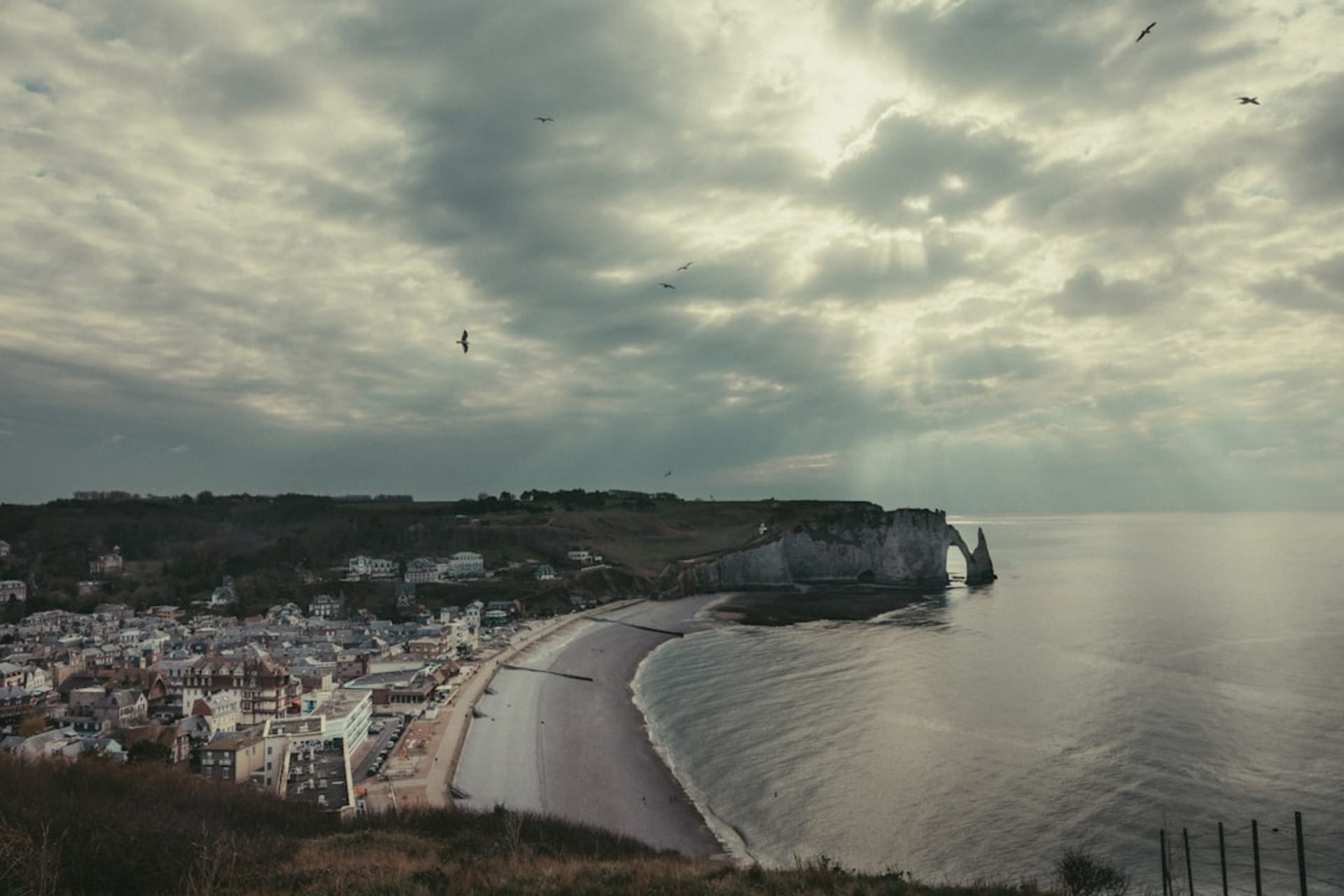
Saint-Gervais-les-Bains
"Everyone photographs Mont Blanc from Chamonix. I liked it better from the side that doesn't know it's famous."
The thermal spa town where you catch a century-old rack railway up toward Mont Blanc from the side nobody photographs, and soak sore legs in hot springs afterward instead of an ice bath.
We’d already spent a few days in Chamonix, on the postcard side of Mont Blanc, when a French friend told us we were doing it wrong — that the mountain has another face, reached from Saint-Gervais-les-Bains on the opposite side of the massif, and that almost nobody bothers with it because Chamonix has all the name recognition. Lia and I drove over the following morning mostly to prove him wrong. We ended up agreeing with him within about two hours.
A railway built to prove a point
Saint-Gervais is the starting point of the Tramway du Mont-Blanc, a rack-and-pinion railway begun in 1904 with the genuinely absurd original ambition of reaching the summit of Mont Blanc itself by rail. It never got there — the project stalled partway up, defeated by the same mountain it was trying to conquer — but the line that does exist climbs to the Nid d’Aigle at over 2,300 metres, and it remains the highest rack railway in France. Riding it in its slow, clattering red carriages, watching pine forest give way to bare rock and then to the glaciers of the Bionnassay massif filling the windows, felt like watching the 19th century’s engineering confidence and its limits laid out in a single train ride.
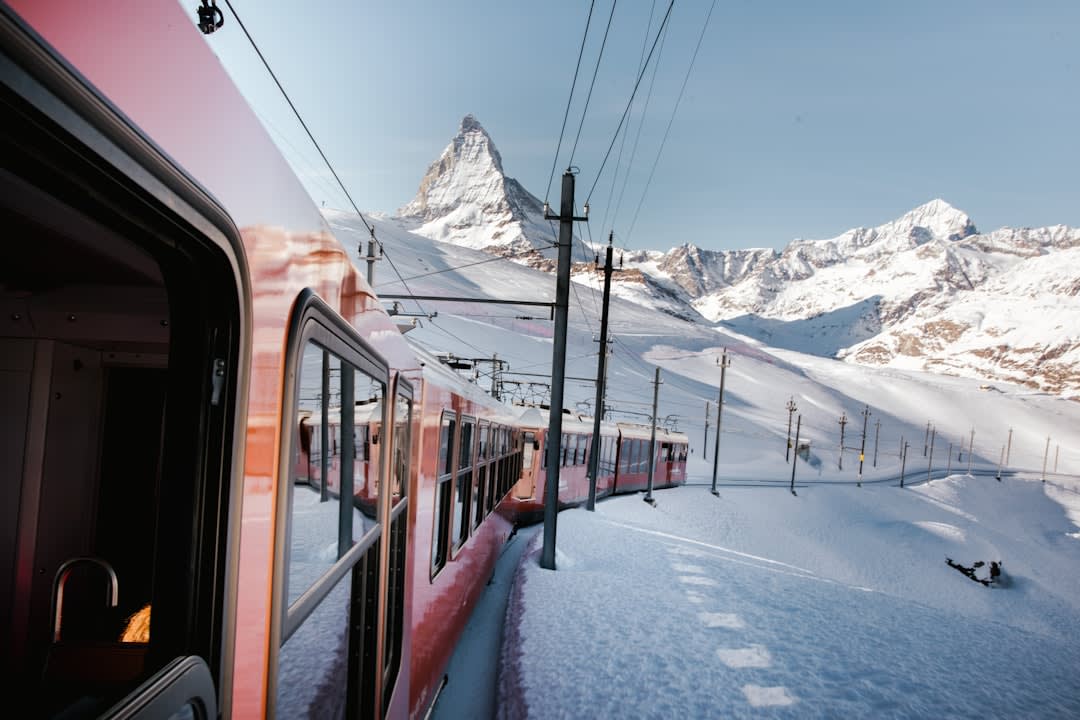
From the Nid d’Aigle terminus, the view is of the Bionnassay glacier and the less-photographed western flank of the Mont Blanc massif — no Aiguille du Midi cable car crowds, no selfie queues, just a handful of hikers heading further up toward the Tête Rousse refuge and the standard Mont Blanc summit route. It is, without exaggeration, one of the best views I’ve had of that mountain, and we shared the platform with maybe fifteen other people.
Hot water at the bottom of a cold mountain
What makes Saint-Gervais different from a purely scenic detour, though, is that it has its own thermal springs, discovered and developed since the 18th century in the gorge of the Bon Nant river below the town. The Thermes de Saint-Gervais still draws on the same sulphate-rich mineral water, and after a long day on the mountain we soaked in an outdoor pool built right into the gorge, snow visible on the peaks above us through the steam. Sore legs, mineral water, and a view of the mountain we’d just been climbing toward — it is hard to design a better way to end a hiking day.
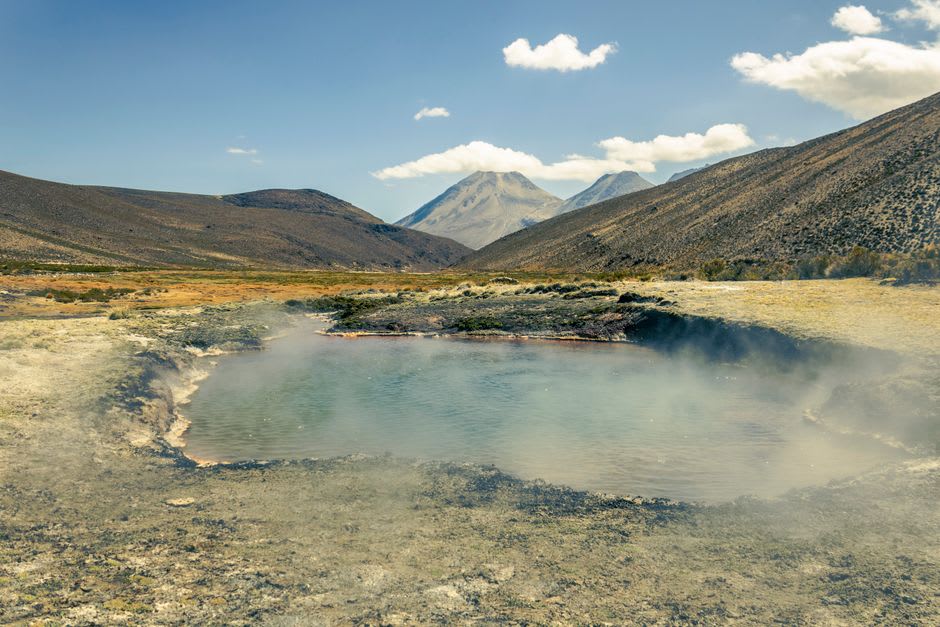
The town itself is smaller and calmer than Chamonix, built around a belle-époque core that grew up serving exactly this combination of thermal cure and mountain access, and it has kept that slightly old-fashioned, unhurried character even as the tramway and the ski lifts kept bringing more visitors.
When to go: July through September for the tramway and the clearest high-mountain views, since the upper section can be snowbound outside summer. The thermal baths run year-round and are arguably best in winter, when the contrast between hot water and cold air is at its most dramatic and the crowds are thinnest.
Keep exploring
More of French Alps