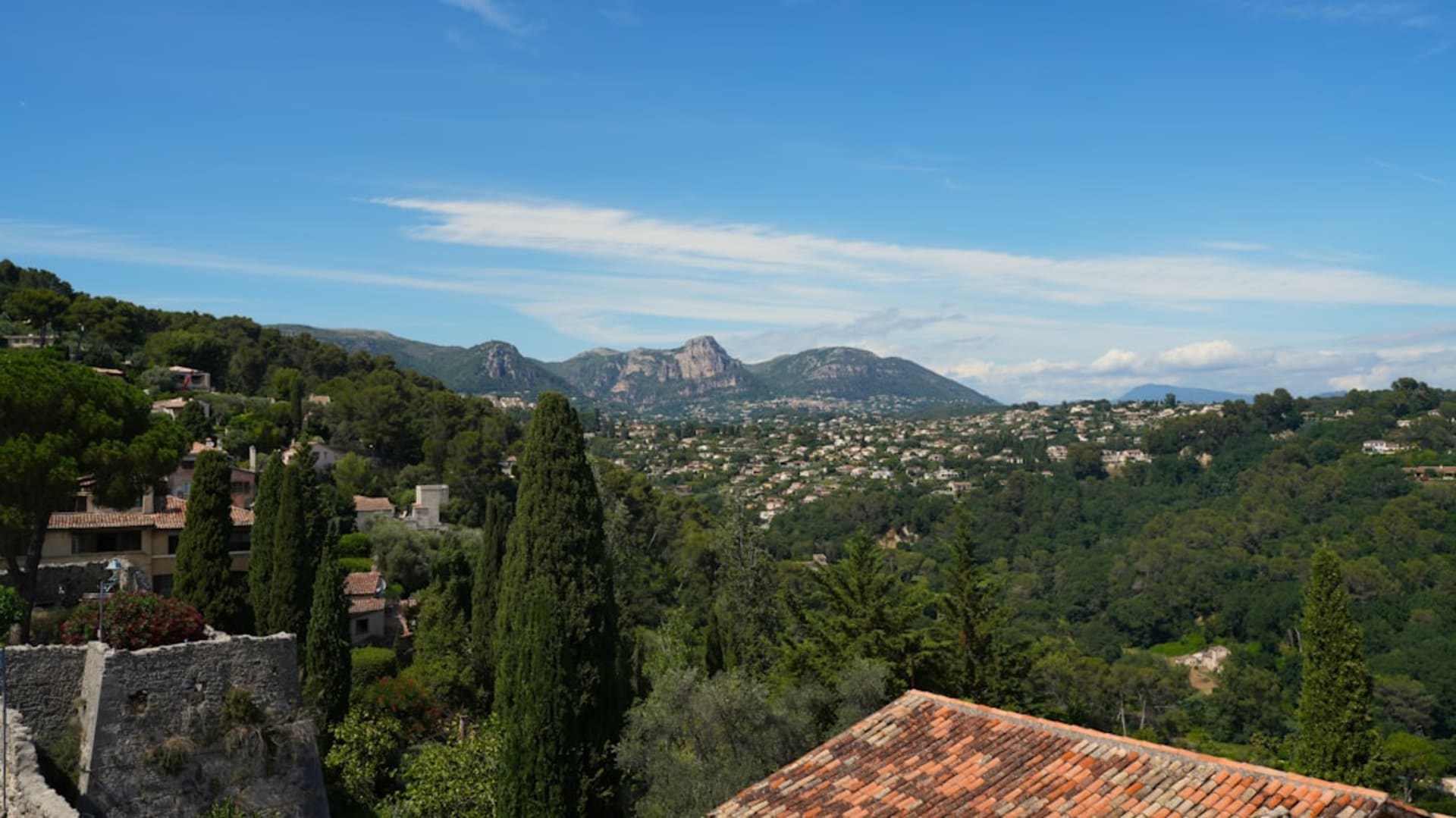
Modane
"Every other Alpine town I've visited is built around a view. This one is built around a tunnel."
A Maurienne valley town built around a hole through a mountain, where a 19th-century engineering obsession and a 20th-century war both left scars you can still walk into.
Most of the villages I’ve written about in the Maurienne and beyond exist because of a lake, a slope, or a saint’s relics. Modane exists because of a hole. Specifically the Fréjus Tunnel, a 13.7-kilometre rail bore punched straight through the base of the Alps to Italy, finished in 1871 after fourteen years of drilling that was, at the time, one of the most audacious engineering projects in Europe. Lia and I stopped here on the drive down the Maurienne valley mostly out of curiosity about the town’s odd, industrial character among so many postcard-ready neighbours, and left having learned more about 19th-century tunnel-boring than I expected to know about anything.
A tunnel that changed how mountains got crossed
Before the Fréjus Tunnel, crossing from France into Italy through this stretch of the Alps meant a mule track over the Col du Fréjus, closed by snow half the year. The tunnel’s engineers, working from both the French and Italian sides simultaneously with no GPS and only surveying instruments to guide them, met in the middle within a few centimetres of true alignment — a fact the town is quietly, justifiably proud of. The original stone portal on the Modane side is still there, a squat, serious piece of 19th-century industrial architecture, and trains still use the tunnel today, now carrying both passengers and a large share of freight traffic between France and Italy.

The town itself grew up almost entirely to service the tunnel and the railway — customs house, sorting yards, worker housing — and it still has that slightly utilitarian, unglamorous feel that distinguishes it from the ski-resort villages further up the side valleys. I found that refreshing rather than disappointing. It’s a real working town in a region full of places built for tourists, and the railway workers’ cafés near the station serve a version of Savoyard cooking that has nothing to prove to anyone.
The fort that never got its war
A steep climb above the town brought us to Fort du Replaton, one link in the chain of Vauban-influenced and later Maginot-era fortifications built to defend this strategic valley — the same valley that made Modane worth invading precisely because it made Modane worth building a tunnel through in the first place. The fort saw real fighting in June 1940 during the brief Italian campaign against France, and Modane itself was badly damaged, then heavily bombed again later in the war for its rail links. Walking the fort’s ramparts, looking down the valley toward the Italian border it was built to guard, the strategic logic of the whole town clicked into place: whoever controls this narrow gap controls the fastest route between two countries.
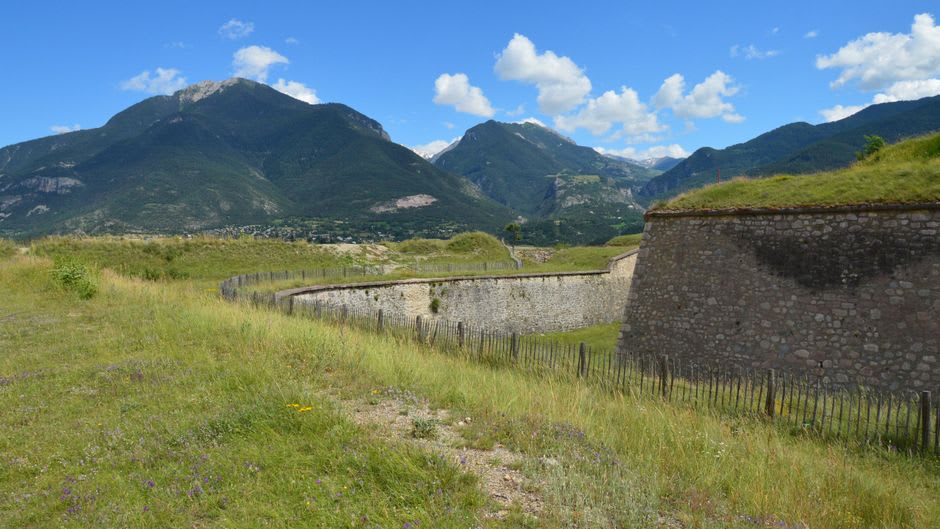
When to go: Modane makes most sense as a stop on a Maurienne valley drive rather than a standalone base — spring through autumn for the fort’s hiking access and clear valley views, since it sits lower and less snow-dependent than the ski villages above it. Winter access to the fort itself is limited, but the town and tunnel history are a year-round detour.
Keep exploring
More of French Alps