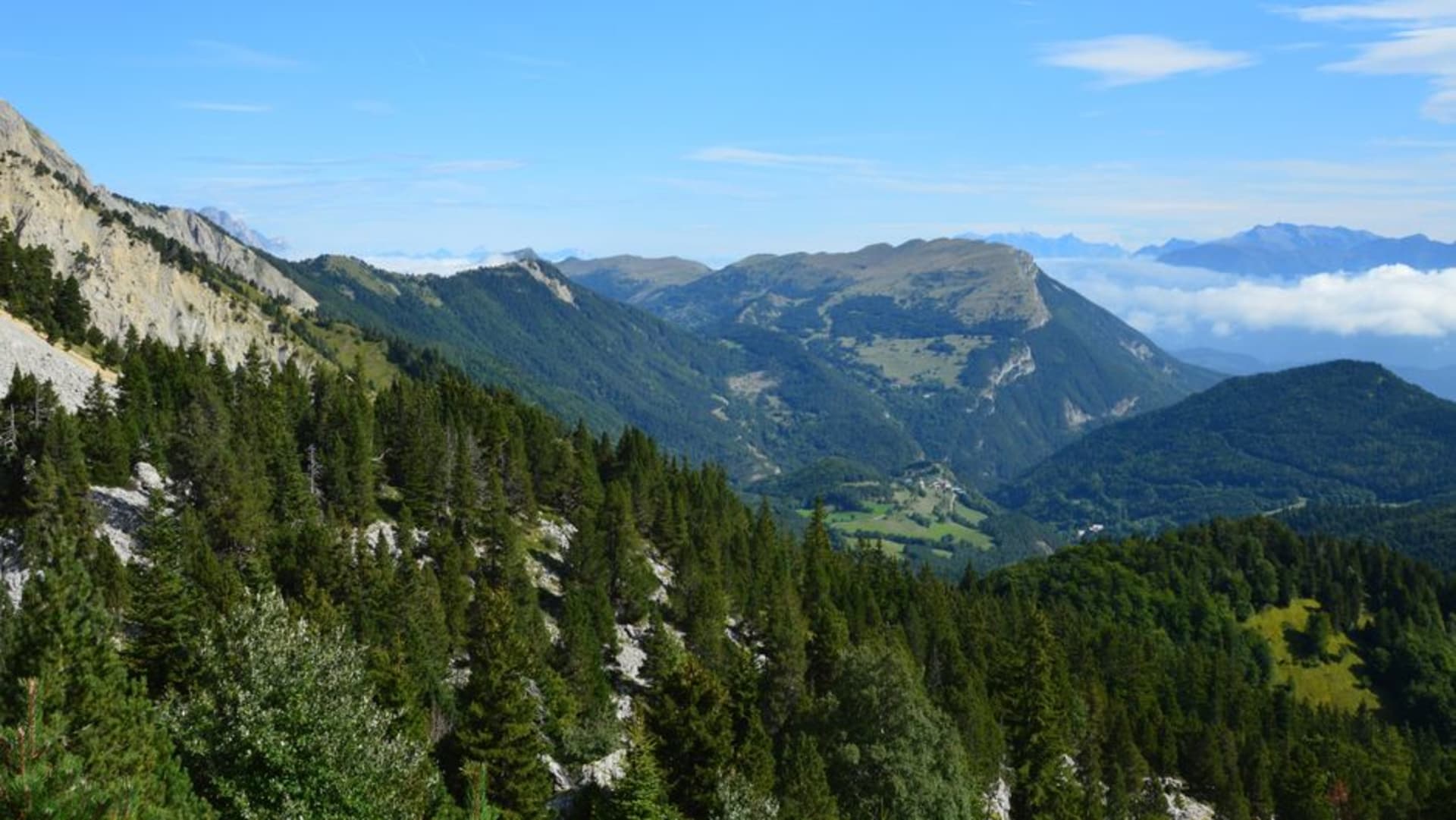
Megève
"Megève was invented to be beautiful, and forty years later nobody had told it to stop trying."
A ski resort built to be glamorous on purpose, by a Rothschild who refused to cross into Switzerland — and somehow it still works, horse-drawn sleighs and all.
Every French kid grows up knowing, in some vague osmotic way, that Megève is not a normal ski station. It doesn’t have the brutal 1960s concrete of the purpose-built high-altitude resorts, because it wasn’t built by planners chasing snowline — it was built by Baroness Noémie de Rothschild in the 1920s, who wanted a fashionable winter playground for wealthy French skiers without having to send them across the border to St. Moritz. She more or less willed an entire resort town into being out of spite for Switzerland, and it worked so well that Megève has never really needed to update the concept.
A village that never pretended to be practical
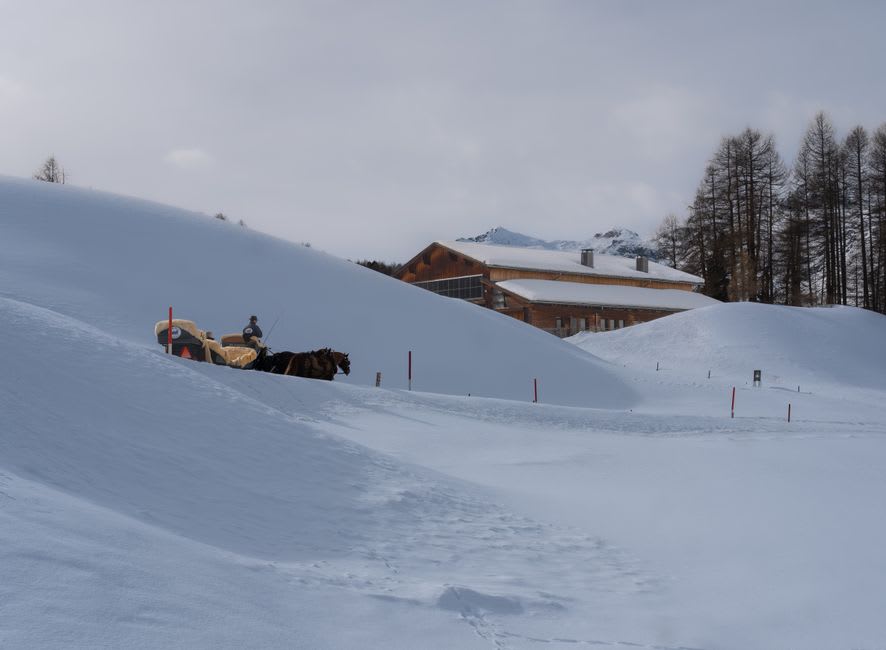
I’d skied Megève once as a teenager on a family trip and remembered mostly the horse-drawn sleighs — actual traîneaux, with actual horses, driven by actual guys in actual berets, ferrying tourists between the village and the outlying hamlets in a way that felt like theatre even then. Coming back with Lia twenty years later, the sleighs are still running, and I finally understood what I’d dismissed as kitsch at fifteen: Megève commits to its own bit so thoroughly that it stops being a bit. The Place du village, arcaded and cobbled, is genuinely old — this was a farming and market town centuries before it was a resort — and the resort layer sits on top of that history rather than replacing it.
Low altitude, high standards
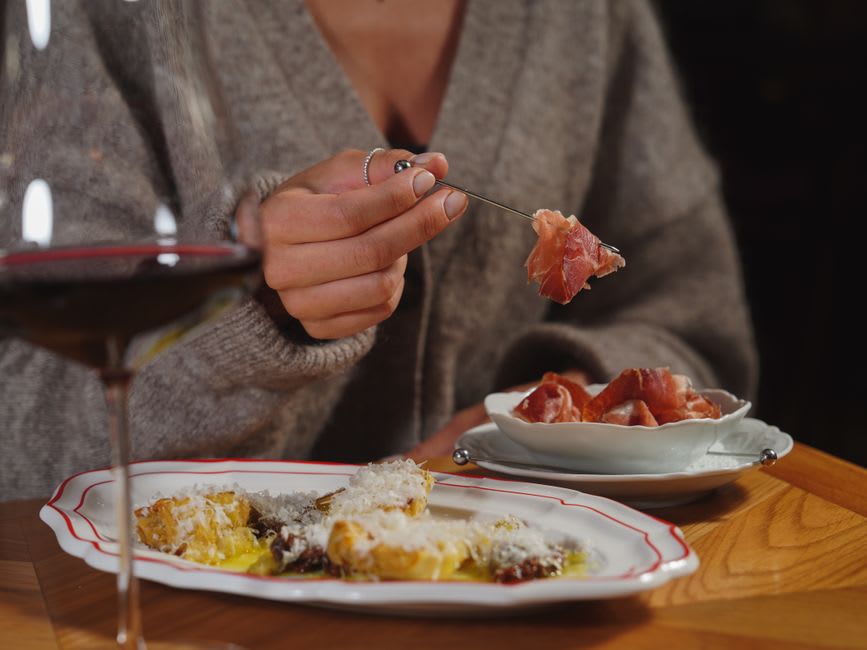
What Megève does not have is altitude — the village sits around 1100 metres, low by Alpine standards, which means some winters the base snow is thin and everyone quietly takes the gondola up to Rochebrune or Mont d’Arbois to find real cover. Nobody local seems bothered by this. The point of Megève was never guaranteed powder; it was the après. We ate at a farmhouse-turned-restaurant on the Mont d’Arbois slopes where the waiter recited the day’s Beaufort and reblochon like a sommelier doing wine, and Lia, unprompted, said it was the first ski lunch she’d had that felt like an actual meal rather than fuel. Emmanuel Renaut’s three-Michelin-star Flocons de Sel is here too, tucked into the hillside above town, proof that the Rothschild instinct for excess-with-taste never really left.
We spent our last afternoon just walking the village with no agenda — past fur-lined boutiques that felt transplanted from the 8th arrondissement, past the santons shop, past a church whose baroque interior seemed startled to be attached to so much shopping. It’s a strange mix, old Savoie and Rothschild glamour, but it’s been running for a century now and nothing about it feels forced anymore.
When to go: January and February give the most reliable snow at altitude on Mont d’Arbois and Rochebrune, though book the low village slopes as a bonus rather than a guarantee. December is quieter and prettiest for the Christmas market and the sleighs; late March brings spring skiing with far thinner crowds than Courchevel or Val d’Isère.
Keep exploring
More of French Alps