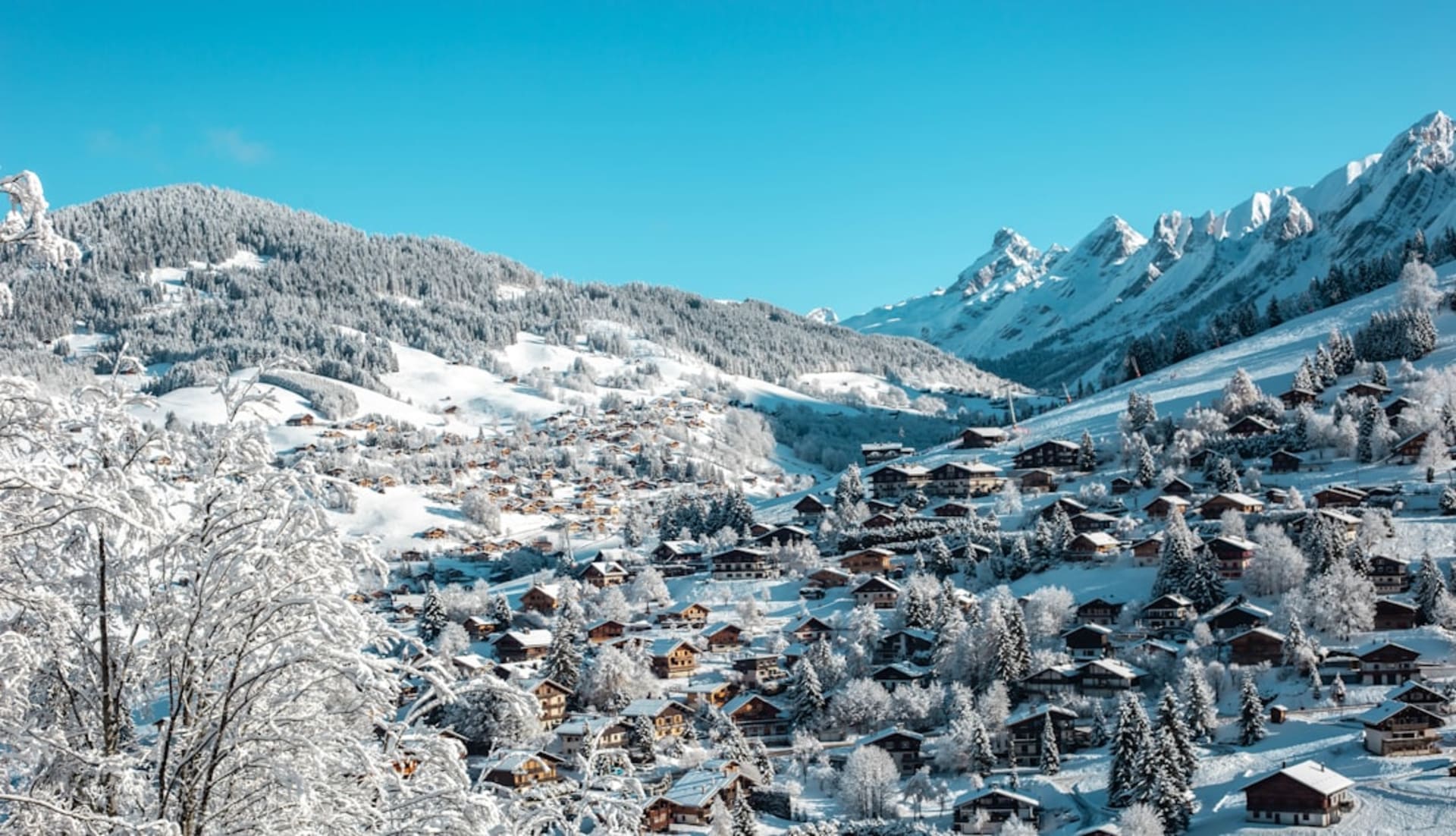
La Clusaz
"Half the ski towns in the Alps are built to look like this one already was."
A ski village in the Aravis massif that never bothered building itself a fake medieval quarter for tourists, because the real wooden chalets and working farms were already there.
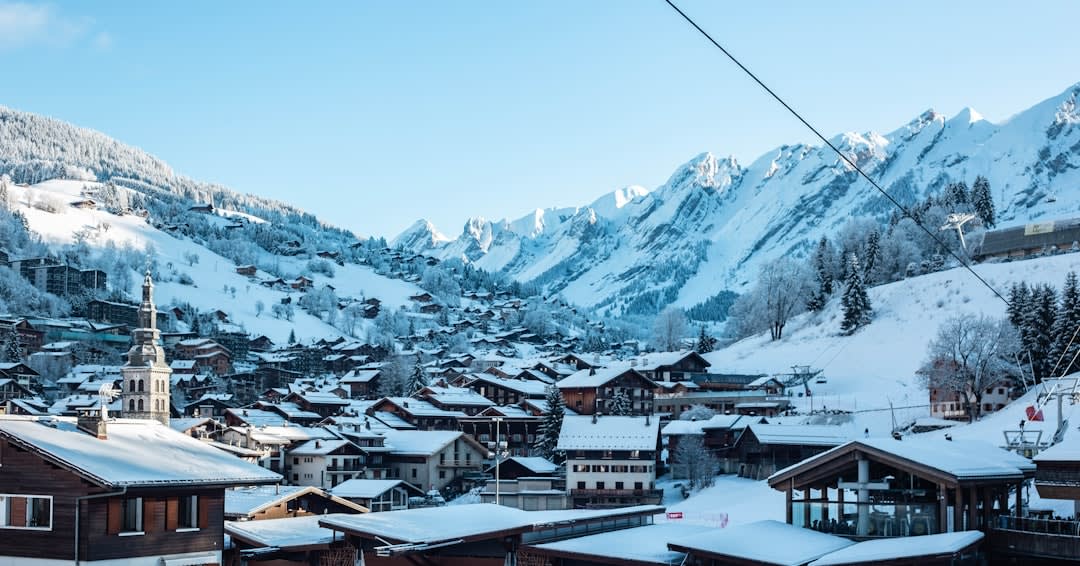
Lia’s cousin has three kids under ten and swears by exactly one ski destination in the entire French Alps: La Clusaz. After a week there with them in February, I understood the loyalty. This is not a resort built from scratch on a mountainside in the 1960s, all concrete and right angles pointed at maximum vertical drop. La Clusaz was a farming village before it was a ski village, and it still looks like one — dark-timbered chalets with deep eaves, working dairy farms up on the surrounding alpages, a church spire instead of a chairlift as the tallest thing in the centre.
A village that ski resorts imitate
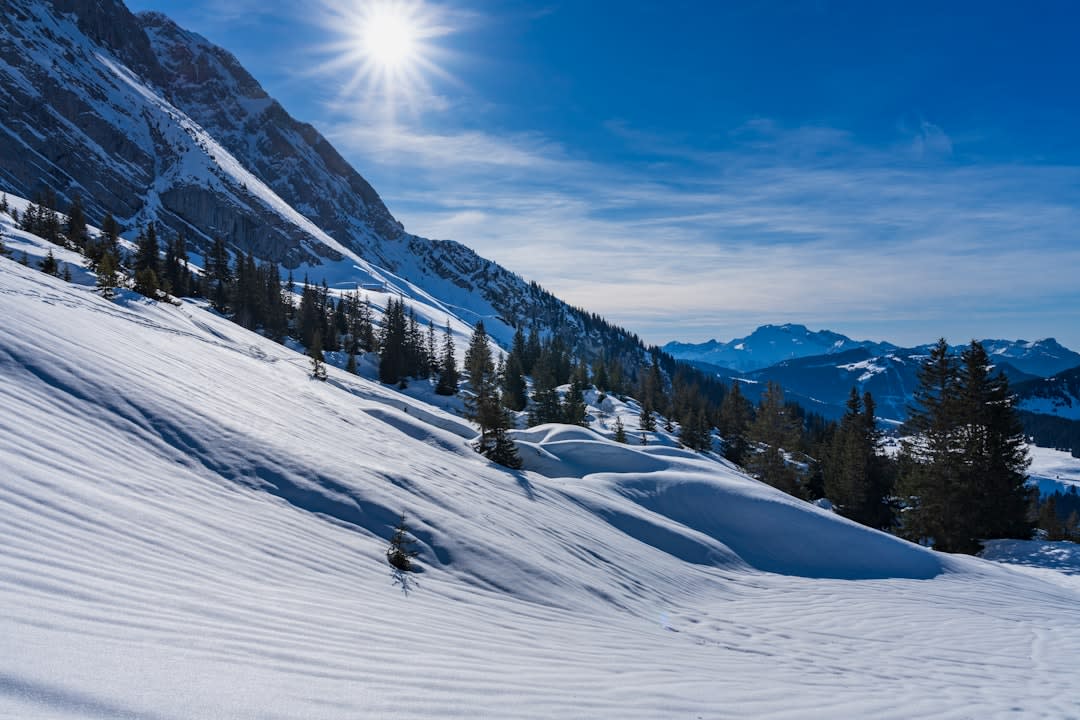
The Aravis massif rings the village in a jagged wall of limestone peaks, and the five separate ski areas — Beauregard, Aiguille, Balme, Étale, and Manigod — spread out from the centre rather than stacking a single mega-lift system on one face. What this means in practice is that the skiing feels less like a machine and more like a series of good decisions made slowly over a century: a lift here because a farmer’s field was flat enough, a run there because the snow held longest on that slope. My skiing is competent but unambitious, and I found more blue and red runs threading through actual forest than in most bigger, flashier resorts.
What sold me on the place, though, was the reblochon. La Clusaz sits at the heart of reblochon country — the cheese was invented in these valleys in the 18th century by farmers who under-milked their cows during official tax assessments, then finished the milking secretly afterward for a richer, illegal second batch that became the cheese itself. There’s a farm just outside the village, up toward Manigod, where you can watch the afternoon milking and buy a wheel still warm from the press. We ate reblochon three different ways that week and I have not looked at supermarket versions the same way since.
Chalets that were never a theme
The village centre is compact enough to walk in fifteen minutes end to end, and every building in it earns its wooden balconies and carved shutters honestly — this is vernacular Savoyard architecture, not a resort developer’s mood board. In the evening, with the lights on and snow falling past the church spire, it has the specific, slightly unreal cosiness that a hundred purpose-built resorts have spent decades trying to fake with reclaimed timber and artificial patina.
The kids, for the record, were thrilled by the ESF ski school’s beginner slopes right at the edge of the village — no bus transfer required, no parent standing around in the cold waiting for a shuttle. Lia’s cousin’s exact words: “You can send a six-year-old down and still see them the whole time.” That, plus the reblochon, is the whole pitch.
When to go: January through March for reliable snow and the fullest range of open lifts across all five sectors. Late March brings softer, sunnier days and thinner crowds if you don’t need guaranteed powder. Summer turns the same slopes into hiking and mountain-biking terrain, with the farms and their cheese still very much open for business.
Keep exploring
More of French Alps