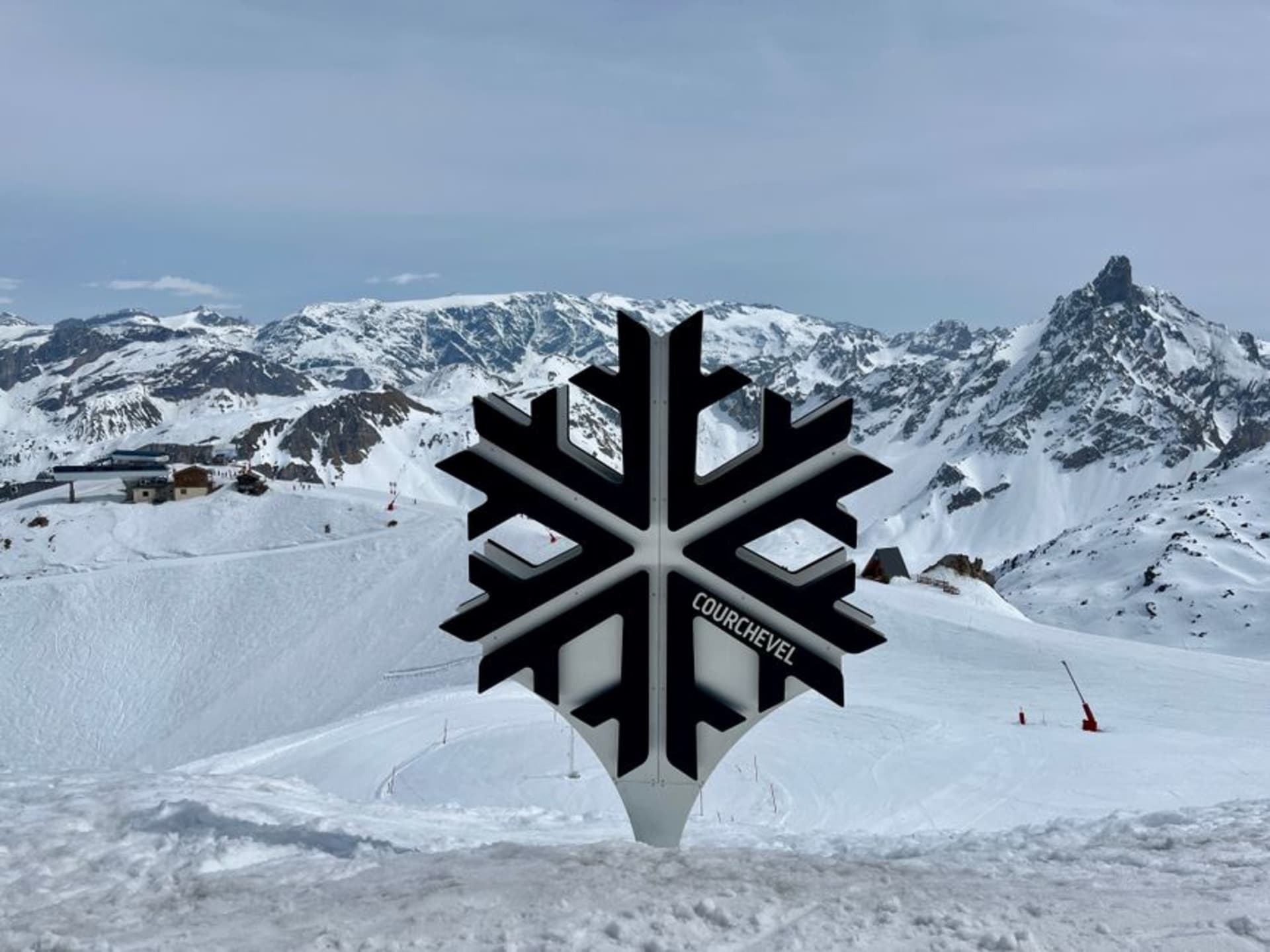
Courchevel
"Nowhere else have I watched a small plane land uphill and thought, casually, ah yes, that's normal here."
The most Michelin-starred square kilometre of snow in the world, with an airport runway so short and steep that pilots need special certification to land on it.
Courchevel is not one village but four, stacked up the mountainside by altitude and named, with the kind of literal logic the French love, after their elevation in metres: Courchevel 1300 (also called Le Praz), 1550, 1650, and the famous 1850 at the top, where the fur coats and the private chalets and the champagne-on-the-piste bars live. It was built almost entirely from scratch after the Second World War — the architect Laurent Chappis is generally credited as the father of purpose-built French ski resort design, and Courchevel was his first canvas, chosen specifically for its perfect south-facing bowl and reliable snow.
The runway that shouldn’t work
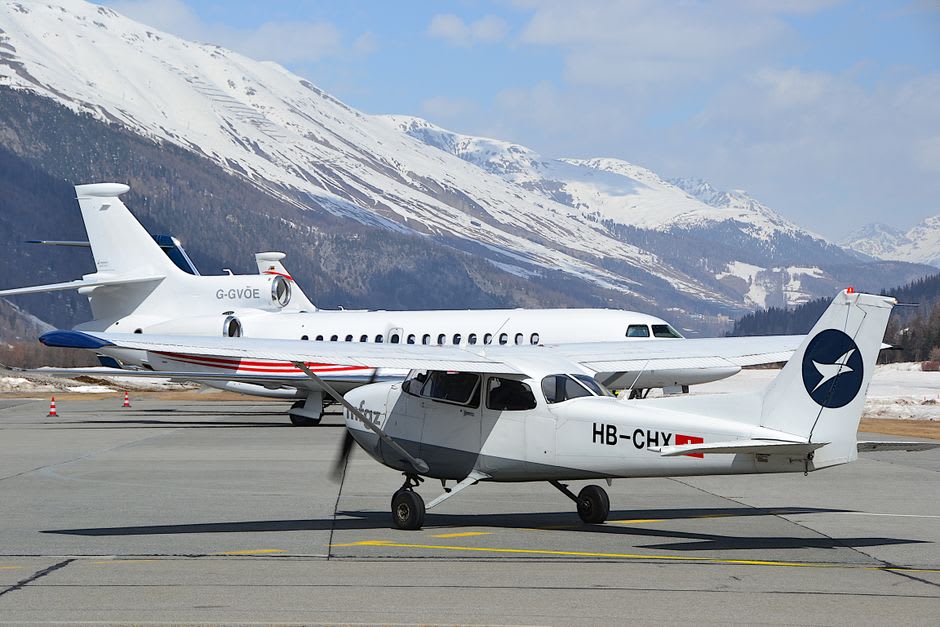
The thing everyone mentions first, and the thing I still think about, is the Altiport. Courchevel’s airstrip is the highest-altitude commercial airport runway in Europe, cut into the mountainside at a gradient of nearly 19 percent — it slopes so steeply uphill that landing planes use the incline to help them brake, and taking off, they use it to help them accelerate downhill off the edge. Pilots need a specific certification just to fly in. We stood at the viewing area near Le Praz one clear morning and watched a small plane touch down, seemingly aimed straight at the mountain, then simply stop, absorbed by the slope like it had been swallowed. It is one of the strangest pieces of aviation infrastructure I’ve seen anywhere, and it exists purely because Courchevel’s clientele didn’t want to drive up from Chambéry.
Skiing the Three Valleys
Courchevel is one gateway into Les Trois Vallées, the largest interconnected ski area on earth, linking through to Méribel, Val Thorens, and beyond across more than 600 kilometres of marked pistes. The scale is genuinely disorienting the first day — you can ski from Courchevel to Val Thorens for lunch and be back by mid-afternoon without retracing a single run. Lia and I spent one full day simply chasing the sun around the valley system, chalet-hopping for lunch, and never came close to running out of new terrain. Courchevel 1850 itself concentrates the resort’s wealth most visibly: more Michelin stars per capita than almost anywhere in France, and chalets that rent for what a Paris apartment costs to buy.
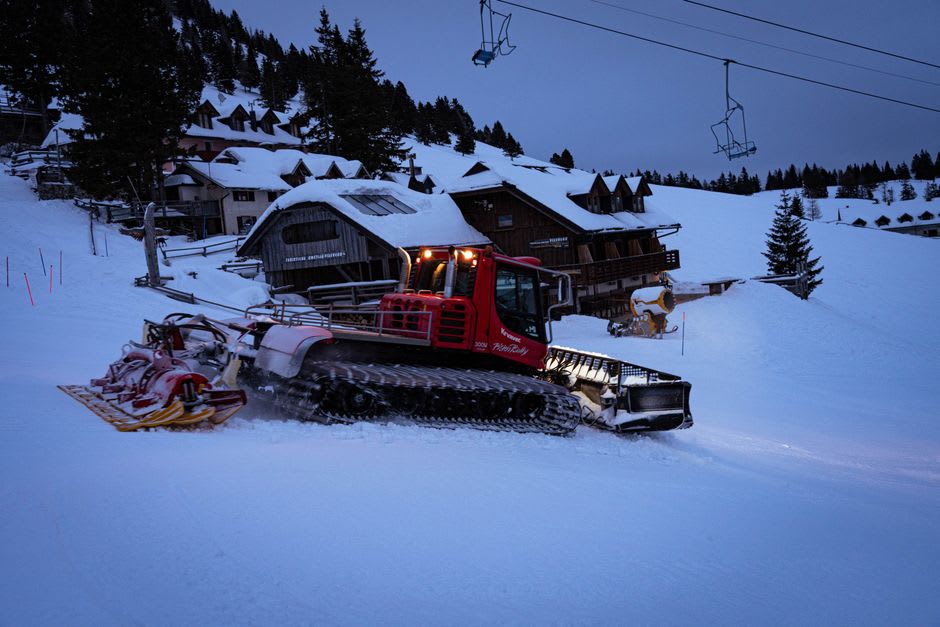
For all the glamour at the top, Le Praz at 1300 metres keeps something closer to an actual mountain village feel — older buildings, fewer fur coats, and the 1992 Olympic ski jump towers still standing above the treeline as a monument to when Albertville’s Games spread events across the whole valley.
When to go: January and February deliver the most reliable snow across the full Trois Vallées network, though also the highest prices and busiest slopes. December offers a quieter, still-snowy start to the season; March brings sunnier days and softer conditions for a more relaxed final stretch before the lifts close.
Keep exploring
More of French Alps