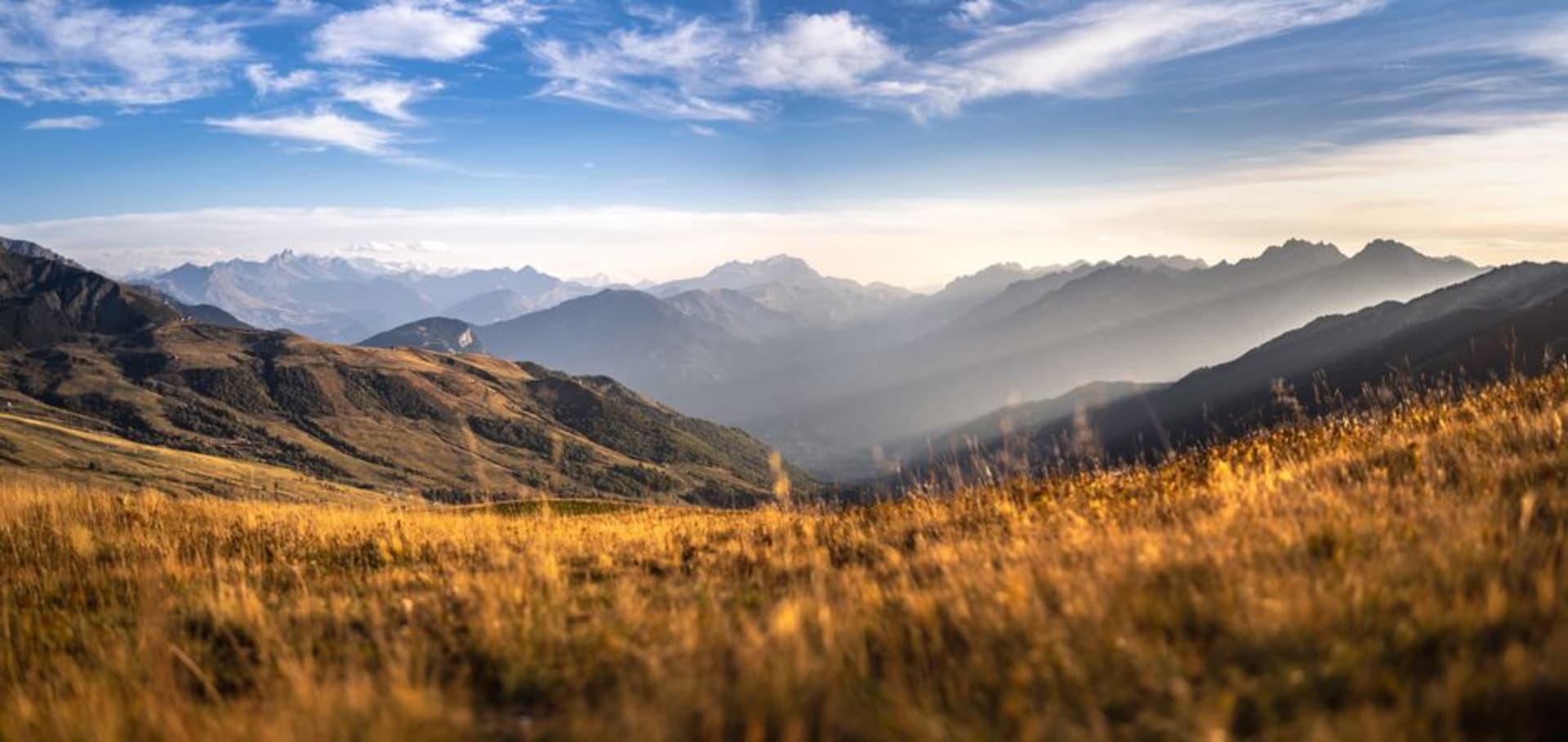
Chambéry
"Savoy was its own country longer than most people assume, and Chambéry has never quite let you forget it."
The old capital of Savoy, a duchy that ruled its own patch of the Alps for centuries before it was ever fully French, and a city that still carries itself like it remembers being independent.
There’s a detail I didn’t fully register until I stood in front of the Château des Ducs de Savoie: Savoy wasn’t always part of France. It was an independent duchy, later part of the Kingdom of Sardinia-Piedmont, and only voted to join France in 1860 — within living memory of people’s great-great-grandparents, historically speaking, and a fact that Chambéry, the old ducal capital, seems quietly determined not to let anyone forget. The château at the heart of the old town was the seat of the Dukes of Savoy for centuries before the family moved its court south to Turin, and it still dominates the skyline the way a seat of real, independent power should.
A capital that outlived its country
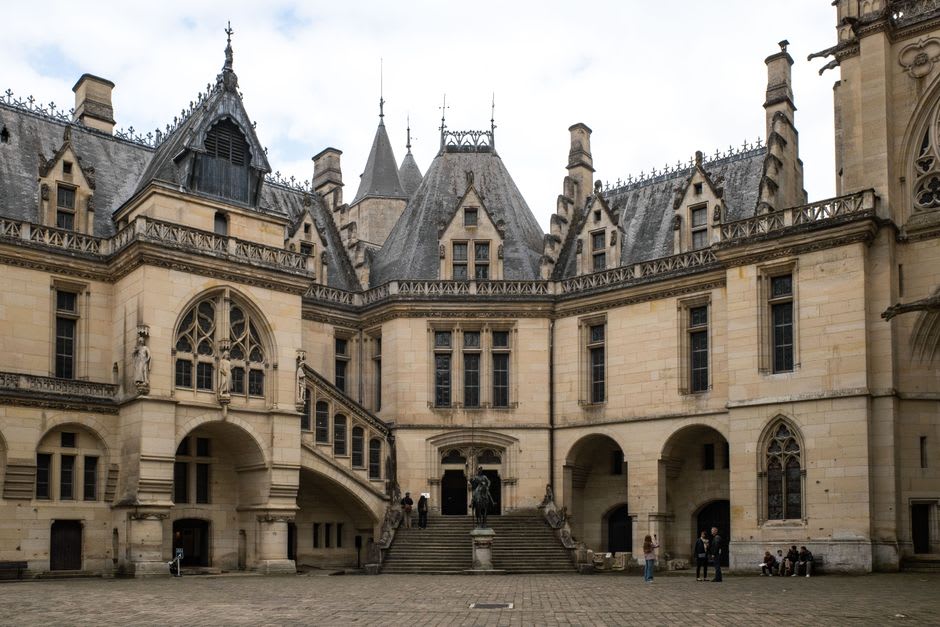
Walking into the château’s inner courtyard, the first thing that catches you is the Sainte-Chapelle — a genuine Gothic royal chapel, built to rival the more famous one in Paris, constructed specifically to house the Shroud of Turin during the years the relic was kept in Chambéry before the Savoy family took it with them to Italy. The chapel’s carillon, one of the largest in Europe, still rings out over the old town on a schedule, a small persistent reminder that this was once a genuine seat of religious and political authority, not a provincial French préfecture. We wandered the château grounds on a quiet weekday afternoon, and it was easy to imagine the place as it must have been under the dukes — busy with court business, ambassadors, and the general machinery of a small but real European power.
The elephants that don’t belong and somehow do
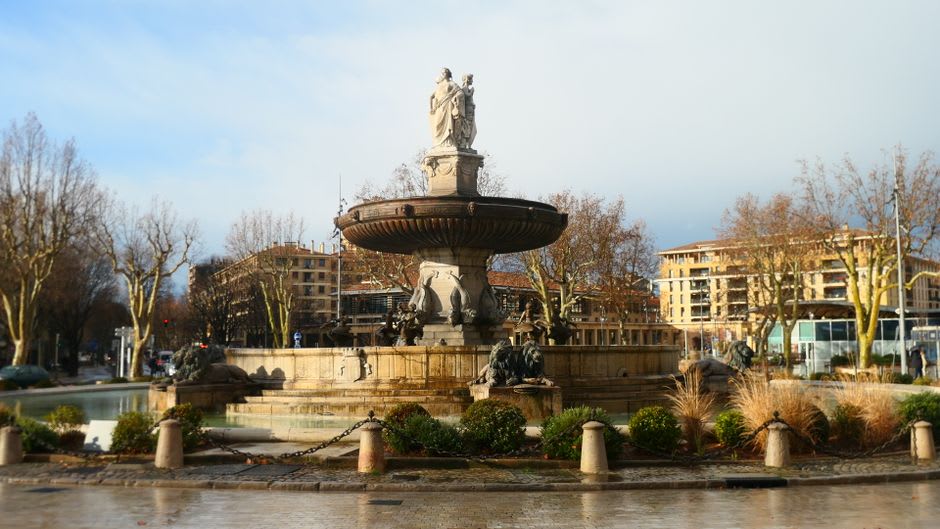
The other landmark everyone in Chambéry will point you toward, with a mix of pride and mild embarrassment, is the Fontaine des Éléphants — four large elephant statues, water spouting from their trunks, supporting a column in the middle of a roundabout in the old town centre. It is, on its face, a strange thing to find in an Alpine city, until you learn the story: it was built in the 1830s to honour General Benoît de Boigne, a local son who made a fortune as a military commander in India, and who returned to Chambéry and funded much of the city’s modernisation. Lia found the whole thing delightfully absurd — elephants, in the Alps, funded by an Indian fortune — and it’s become the city’s unofficial symbol regardless of how odd the logic reads today.
Chambéry today mostly functions as a transit and administrative hub between Lyon and the high Alps, and plenty of travellers pass straight through without stopping. That’s a shame — the old town’s arcaded streets, the covered passages that let you cross the whole centre without an umbrella in the rain, and Jean-Jacques Rousseau’s old home at Les Charmettes just outside town are all worth the half-day detour.
When to go: Spring and autumn are ideal for walking the old town and château grounds without summer heat. Chambéry also works well as a base or overnight stop for anyone driving between Lyon and the ski resorts of the Tarentaise or Maurienne valleys, useful nearly year-round given its position at the true gateway to the French Alps.
Keep exploring
More of French Alps