Briançon
"I've walked plenty of French ramparts. None of them are still doing their actual job at 1300 metres."
The highest city in France, wrapped in Vauban's UNESCO-listed fortifications, sitting at the crossroads into the Écrins and the Queyras like a stone sentinel that's still exactly what it was built to be.
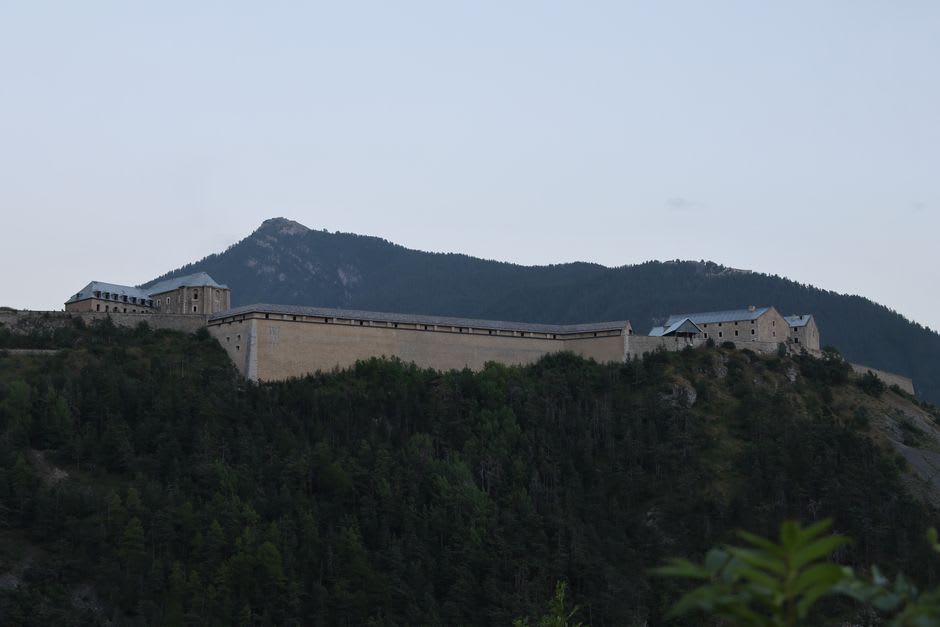
Briançon holds a specific, oddly satisfying French superlative: it’s the highest city in the country, sitting at 1326 metres in the upper Durance valley, close enough to the Italian border that its entire history has been shaped by controlling the routes through it. That’s not incidental to why the place looks the way it does. Briançon was fortified, refortified, and fortified again for exactly this reason, and the version that survives today — the version UNESCO listed in 2008 as part of the Fortifications of Vauban — is the most complete demonstration I’ve seen of what Louis XIV’s great military engineer actually built his career on.
A fortress that never stopped being one
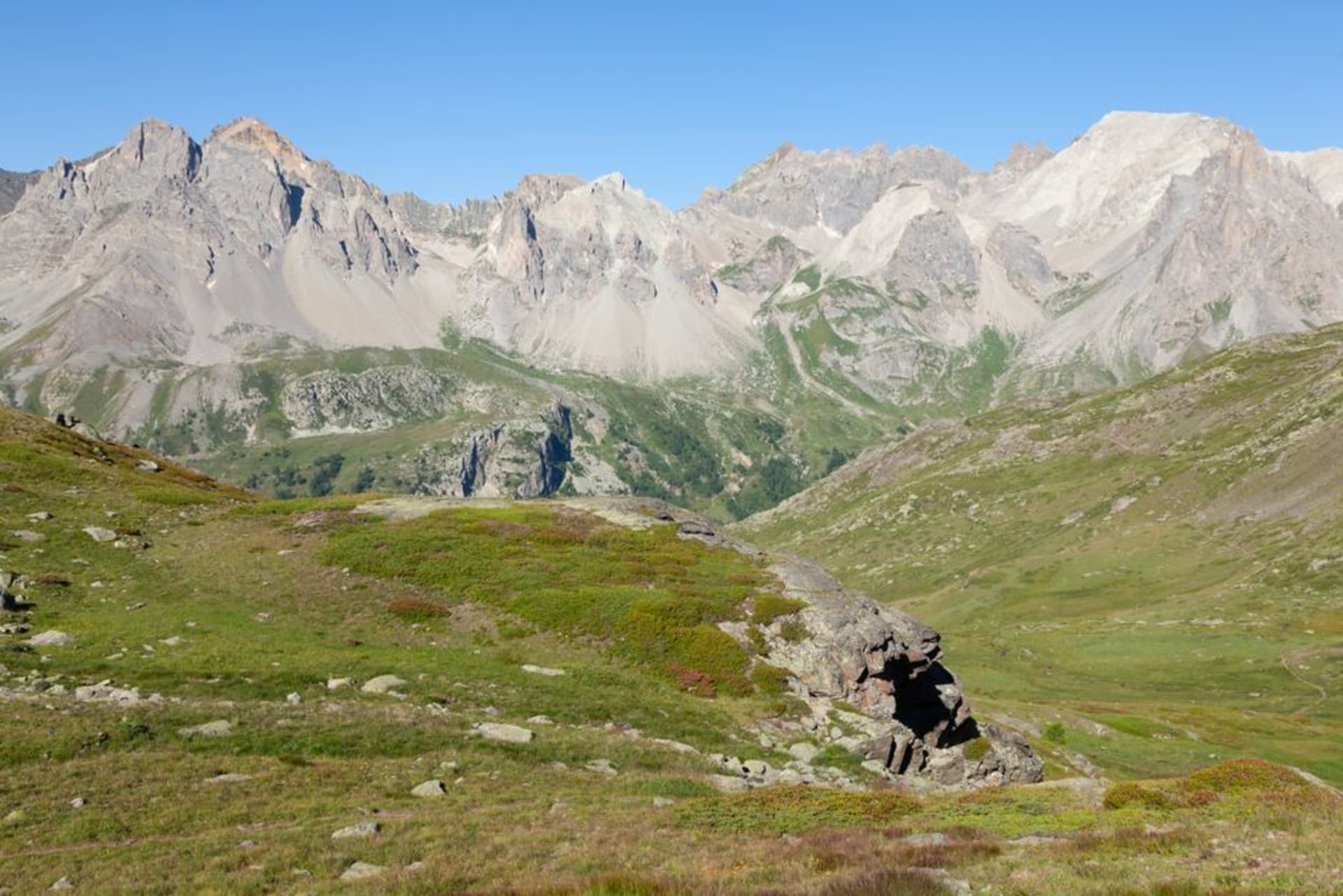
The Cité Vauban, Briançon’s walled upper town, is not a preserved ruin you tour and leave — it’s a living neighbourhood inside 17th-century ramparts, with the Grande Gargouille, an open stone channel, still running down the centre of the main street exactly as it was designed to, once for sanitation and fire-fighting, now mostly for tourists to nearly twist an ankle stepping over it. We walked the ramparts at dusk, following the star-shaped bastions around the edge of the old town, and the views opened straight onto the Serre Chevalier valley and the jagged wall of peaks marking the edge of the Écrins massif. Vauban chose this site with the same cold logic he applied everywhere: control the high ground, control the valley, control the road to Italy.
Between two national parks
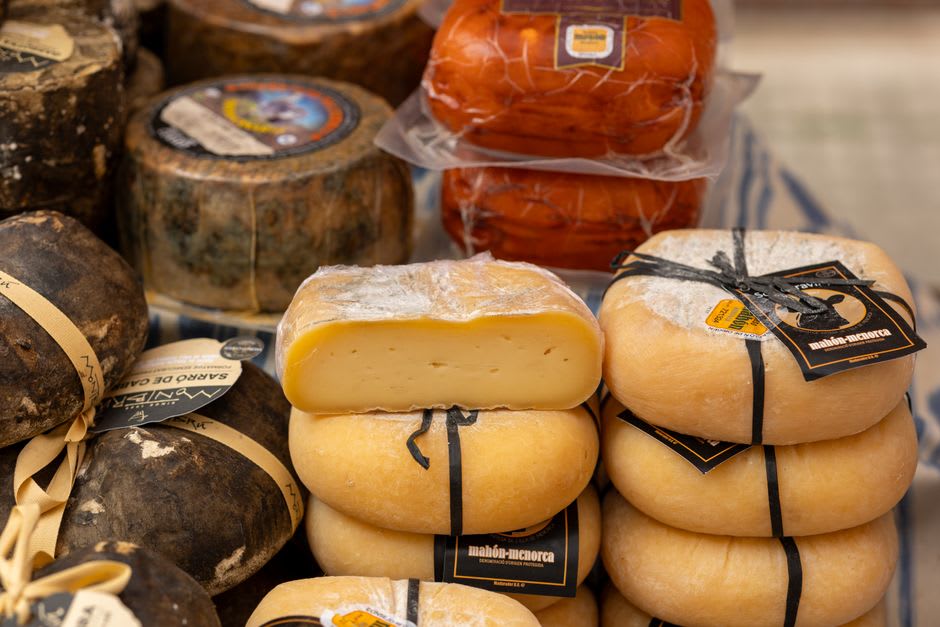
What makes Briançon more than a fortification museum is its position — it genuinely sits at a crossroads. The Écrins National Park, France’s second-largest, rises immediately to the west with some of the most serious high-mountain terrain in the country; the quieter, drier Queyras regional park spreads east toward Italy, a landscape of larch forest and stone-roofed villages that gets a fraction of the Écrins’ visitors. We spent a morning in the Cité’s covered arcades buying bread and a local Tomme, then drove up toward the Col de Montgenèvre, the ancient pass into Italy that Hannibal, Napoleon, and roughly two thousand years of merchants and armies have all supposedly crossed, arguments about exact routes notwithstanding.
The lower, modern town below the fortress is unremarkable enough that most visitors barely register it, but that’s fine — Briançon’s whole identity lives in the upper city, doing exactly what it was engineered to do three centuries ago: hold the high ground.
When to go: July and August open the Écrins and Queyras trails fully and bring long, warm days to the ramparts. Briançon also works as a winter base for the Serre Chevalier ski area right next door, with the fortified old town offering a much more atmospheric place to sleep than most purpose-built resort villages.
Keep exploring
More of French Alps