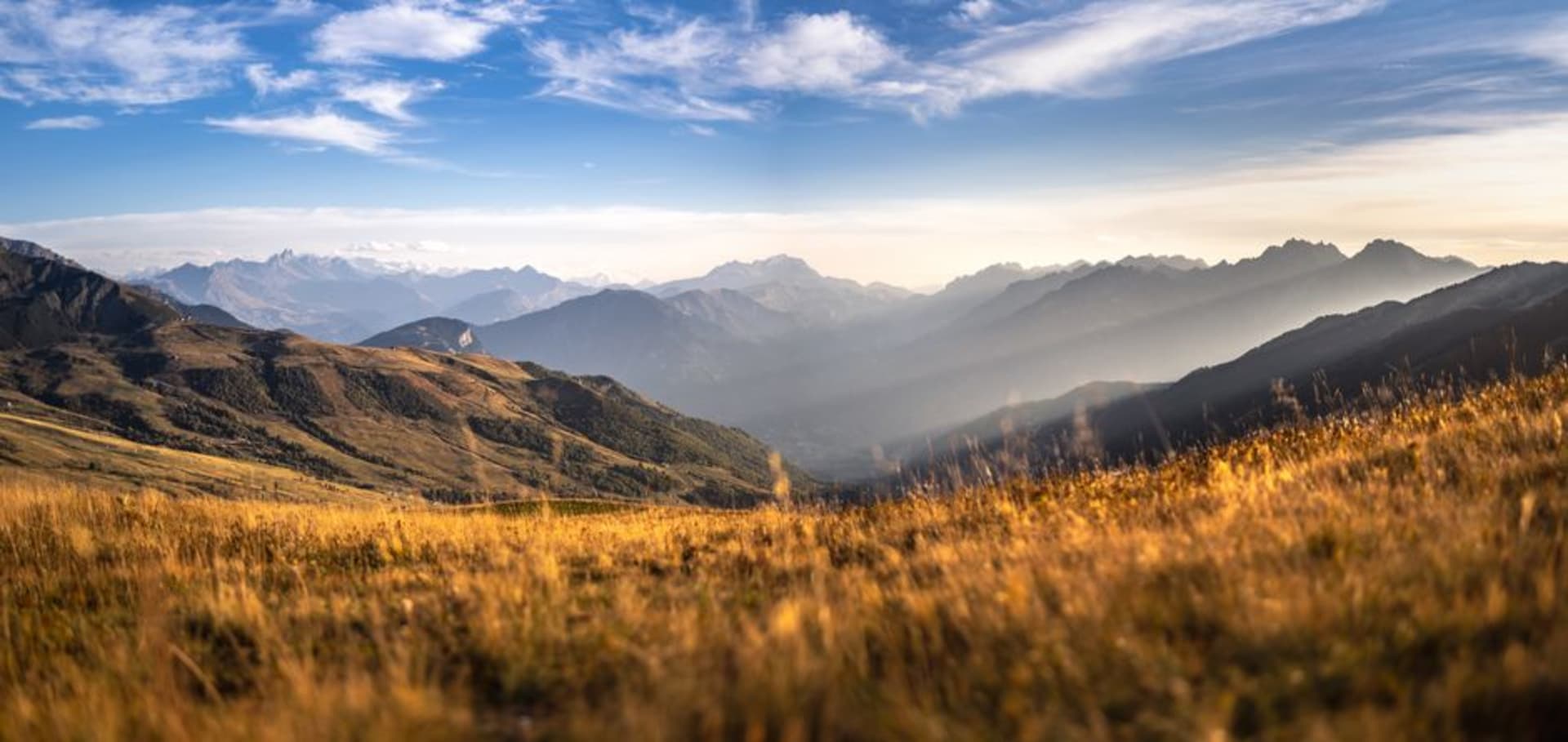
Albertville
"Everyone remembers the Olympics. Almost nobody remembers to climb the hill to the town that came before them."
The valley town the 1992 Olympics put on the map, with a medieval old town on the hill above it that was already old when the rings were painted.
Say “Albertville” to most French people my age and the first thing that surfaces is the 1992 Winter Olympics — the opening ceremony’s giant illuminated sphere, the ski events scattered across a dozen surrounding resorts, Philippe Candeloro years before he became a national treasure. What most people, including plenty of French people, don’t immediately picture is that Albertville is really two towns stacked on top of each other, and the older one predates the modern valley town by nearly a thousand years.
Two towns, two centuries apart
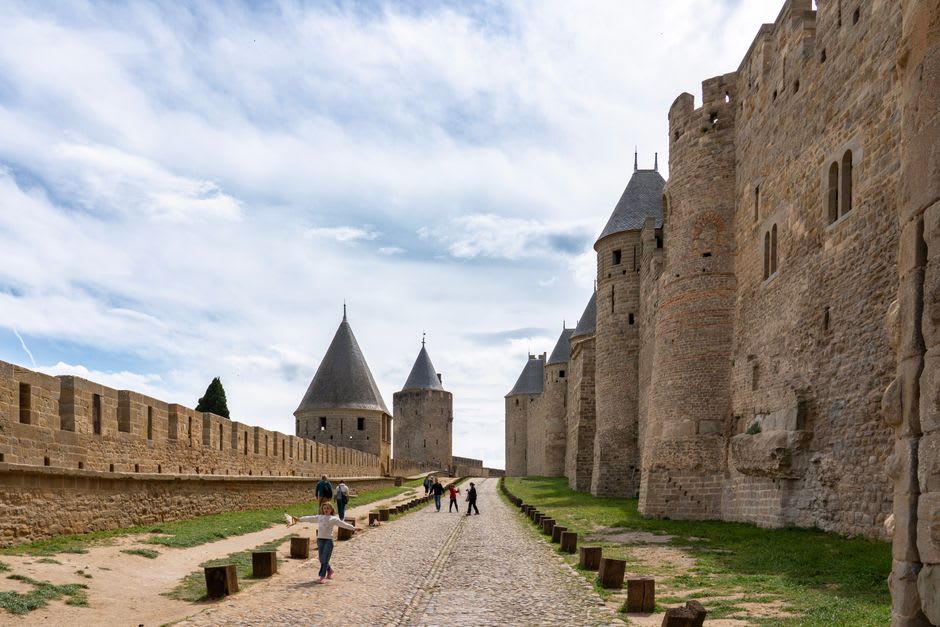
The Albertville most travellers pass through — the valley floor, the roundabouts, the supermarkets, the train station gateway into the Tarentaise resorts — was essentially created in the 1830s when the Sardinian king merged two riverside settlements and named the result after himself. It’s a functional, unglamorous place, and it’s not really the point. The point is Conflans, the medieval fortified town sitting on the hill directly above it, founded in Roman times and fortified seriously through the Middle Ages to control the confluence of the Arly and Isère rivers below — hence the name. We drove up a switchbacking road in fifteen minutes and stepped straight from Olympic-era municipal architecture into cobbled streets, a 13th-century keep, and ramparts that have been guarding this river junction since long before anyone had heard of the Winter Games.
What’s left of the Games
Down in the modern town, the Olympic legacy is more scattered than monumental — no single grand stadium complex like you’d find from a Summer Games, because the 1992 events were deliberately spread across the whole Tarentaise valley, from Les Ménuires to Val d’Isère, with Albertville hosting mainly the ceremonies and administration. There’s a small Olympic museum near the town hall that Lia found more interesting than I expected, mostly because it captured a very specific, very French moment: a mid-sized valley town suddenly hosting the entire world’s attention for two weeks, then quietly going back to being a logistics hub for the ski season.
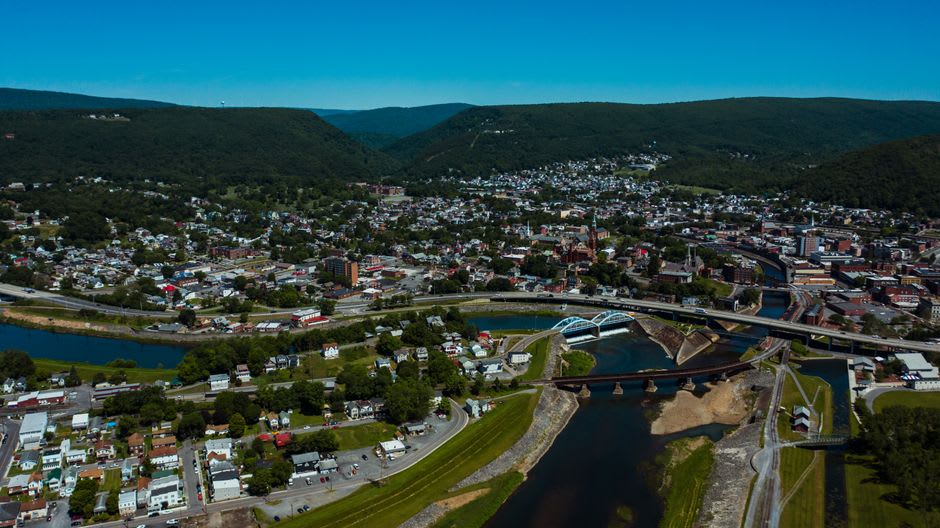
We ended the visit back up in Conflans, at a small terrace looking down over the valley junction, eating a tartiflette that the owner insisted was made with potatoes from a specific nearby village, which is the kind of detail I’ve come to expect and appreciate the further into Savoie you go.
When to go: Spring and autumn for exploring Conflans without summer heat bouncing off the old stone, and because Albertville itself is mainly useful as a base or a stopover — most visitors pass through en route to the surrounding ski resorts from December through April, or the hiking country beyond in July and August.
Keep exploring
More of French Alps