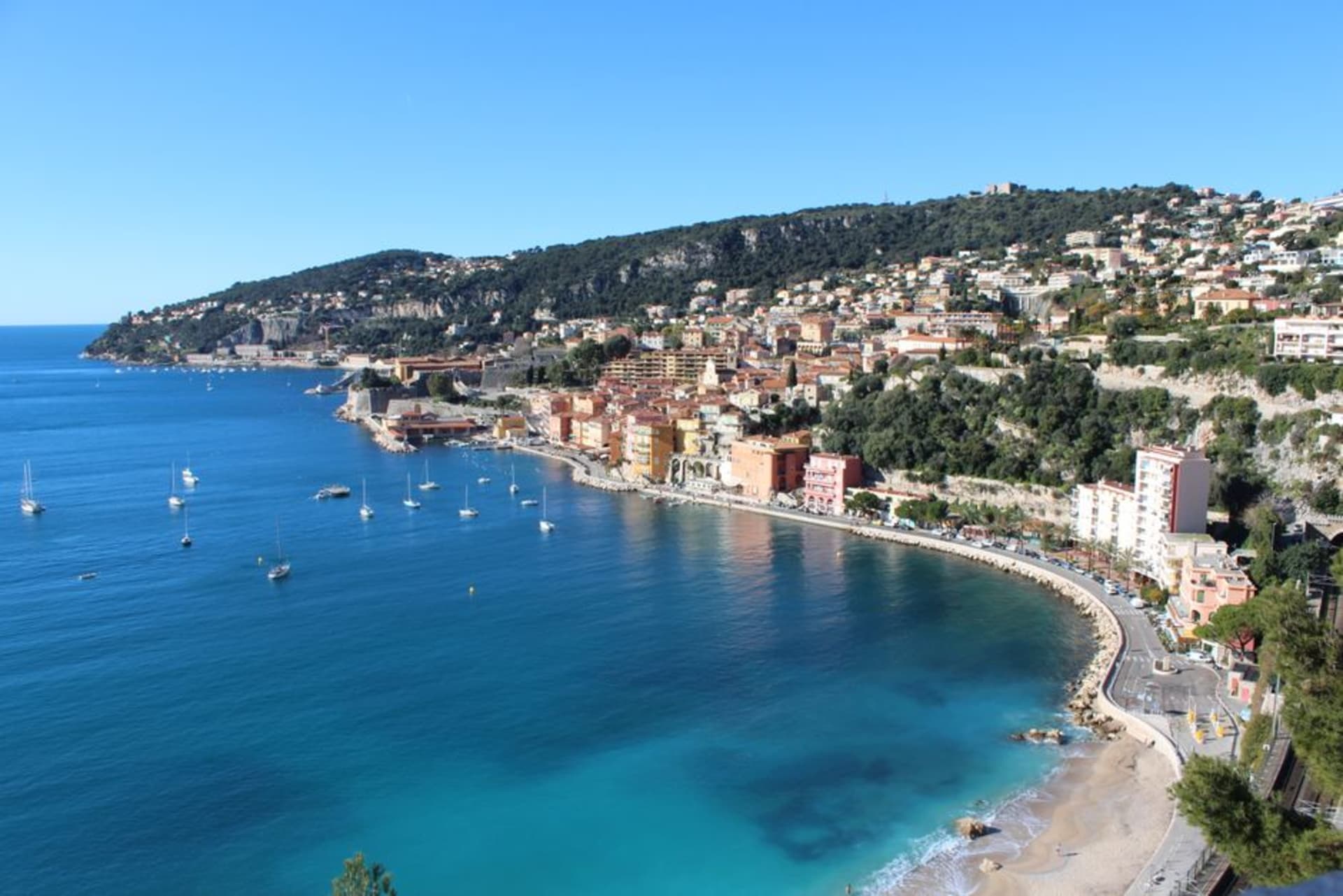
Villefranche-de-Conflent
"It's the smallest UNESCO site I've ever walked all the way around in under twenty minutes, ramparts and all."
A tiny fortified town Vauban wrapped in stone to guard the road into Spain, and the place where a bright yellow train starts its climb into the high Pyrenees.
Villefranche-de-Conflent is absurdly small for how much history is packed inside its walls — you can walk the entire fortified perimeter in the time it takes to finish a coffee, and yet UNESCO listed it alongside a dozen other Vauban fortifications across France as a single World Heritage site. It sits at the confluence of two rivers, wedged into a narrow gorge, which is exactly why it was built where it was: whoever held Villefranche controlled the road south into Spanish Cerdagne.
Vauban’s stone answer to an exposed border
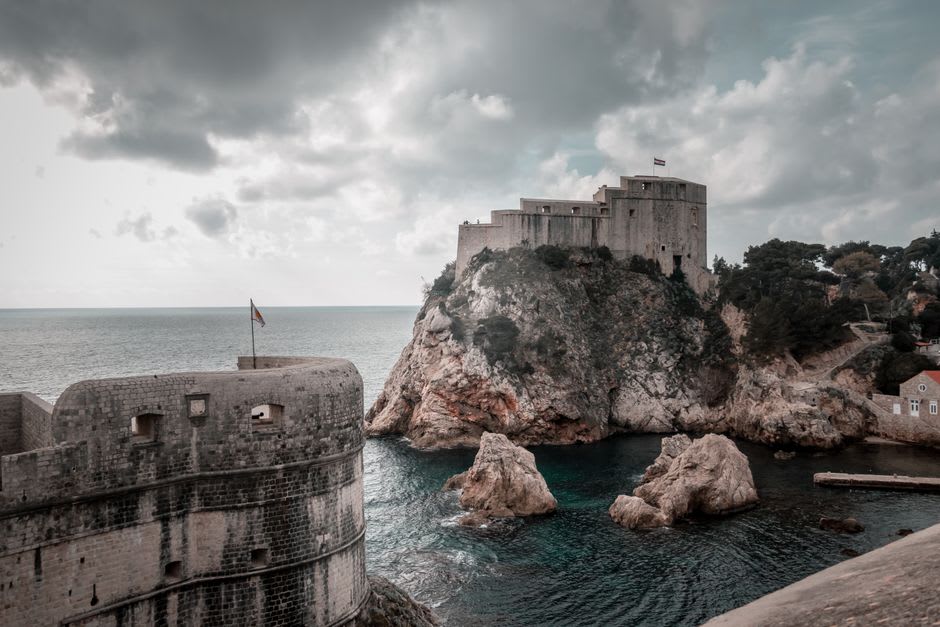
The town’s ramparts actually predate Vauban, first raised in the eleventh century by the Counts of Cerdagne, but it was Louis XIV’s military engineer who, after France annexed Roussillon from Spain in 1659, reinforced and modernized the whole defensive system in the 1680s, adding the star-shaped Fort Libéria on the cliff directly above the town, connected to it by a staircase of exactly one thousand steps carved into the rock. We climbed it on a warm afternoon, regretted it by step four hundred, and then stood at the top completely justified in that regret by the view straight down onto Villefranche’s slate roofs and the gorge beyond. The town itself, walked from the inside, is one long main street of artisan shops selling local garnets and schist crafts, hemmed in by walls thick enough that the streets stay cool even in August.
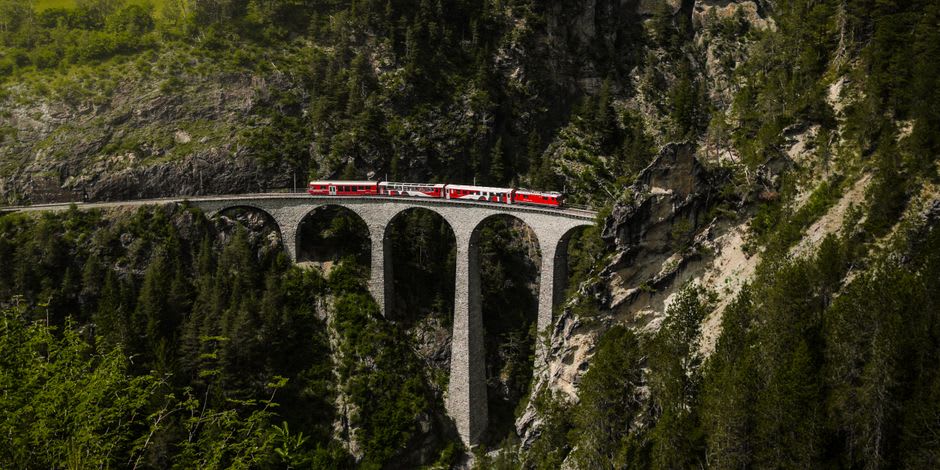
Where the Petit Train Jaune begins its climb
Villefranche-de-Conflent is also the starting point of the Petit Train Jaune, a narrow-gauge electric railway opened in 1910 that climbs nearly 1,500 meters up to Latour-de-Carol, crossing viaducts and a suspension bridge as it winds through the Cerdagne plateau toward the Spanish border. We rode it in one of the open summer carriages, wind in our faces the whole way, watching the Conflent valley drop away beneath the Pont Séjourné viaduct — genuinely one of the more scenic train rides I’ve taken anywhere, and one that costs about as much as a regional bus ticket.
When to go: Late spring through early autumn, when the Petit Train Jaune runs its open carriages and the Fort Libéria stairs aren’t slick with rain; try to arrive early morning before the day-trip buses from Perpignan fill the single main street.
Keep exploring
More of Basque Country