Prades
"A man could have gone anywhere in exile, and he chose to stare at Canigou instead."
A quiet Catalan market town that a world-famous cellist chose as his exile home, sitting right below the abbey and the sacred mountain that give this corner of the Pyrenees its gravity.
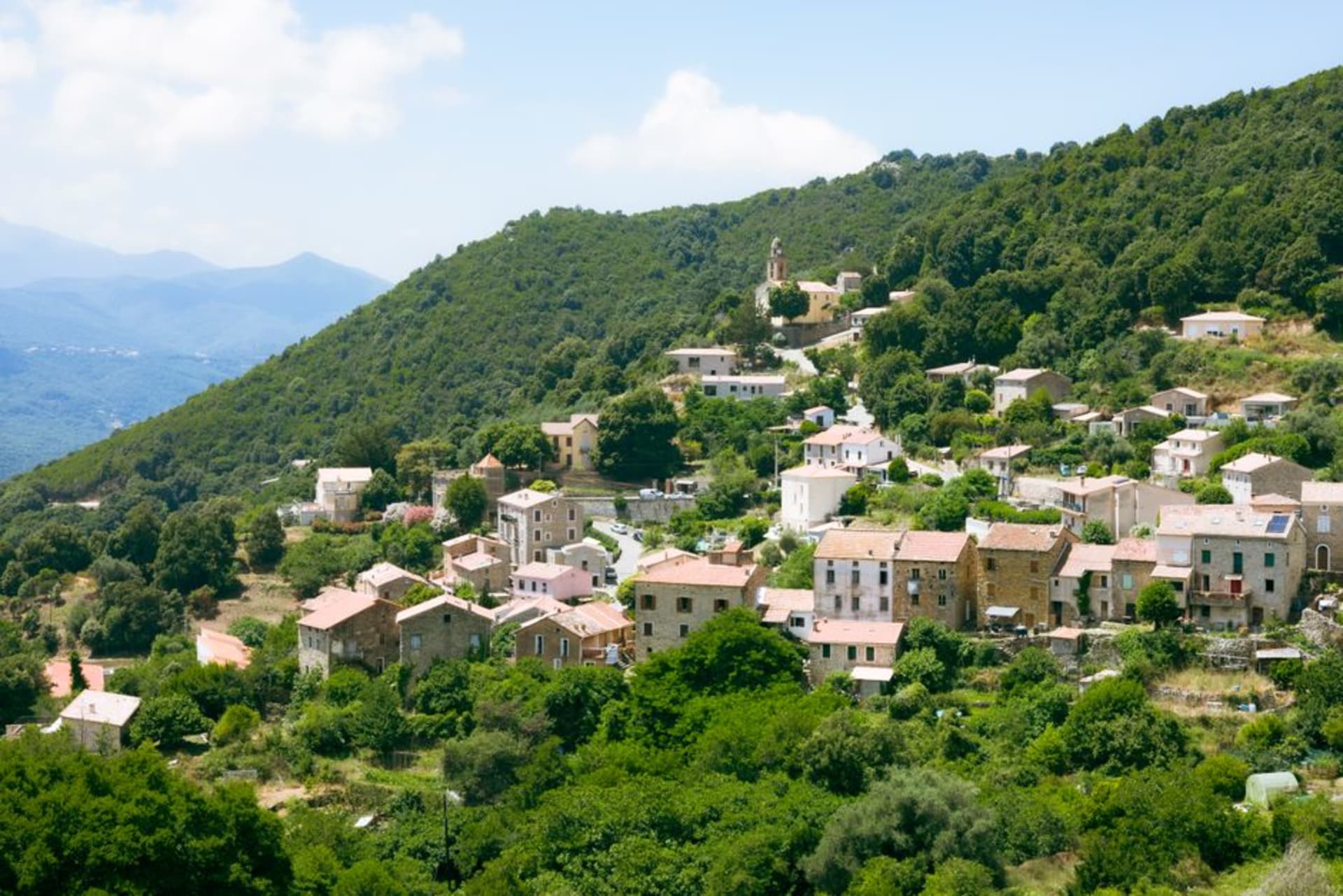
Prades doesn’t announce itself the way its neighbors do — no fortress, no basilica, just a workaday Catalan market town selling cherries and Rancio wine under plane trees. I only stopped because of Pablo Casals, and ended up staying two nights longer than planned, mostly because Canigou kept catching my eye every time I turned a corner.
The cellist who refused to go home
Casals, the Catalan cellist widely considered one of the greatest of the twentieth century, fled Franco’s Spain in 1939 and settled in Prades, a few kilometers from the border he swore never to cross again while the dictatorship stood — a vow he kept for the rest of his life. He founded the Prades Festival here in 1950, originally as a tribute to Bach, and the town still hosts it every summer, filling the little Église Saint-Pierre with chamber musicians from around the world. There’s a small museum devoted to him near the town hall, and honestly the more affecting stop is just the plaque outside the modest house where he lived in stubborn, deliberate exile for over twenty years, a genuinely famous man who chose a small town in the shadow of a mountain over anywhere flashier.
Saint-Michel-de-Cuxa and the mountain that watches over it
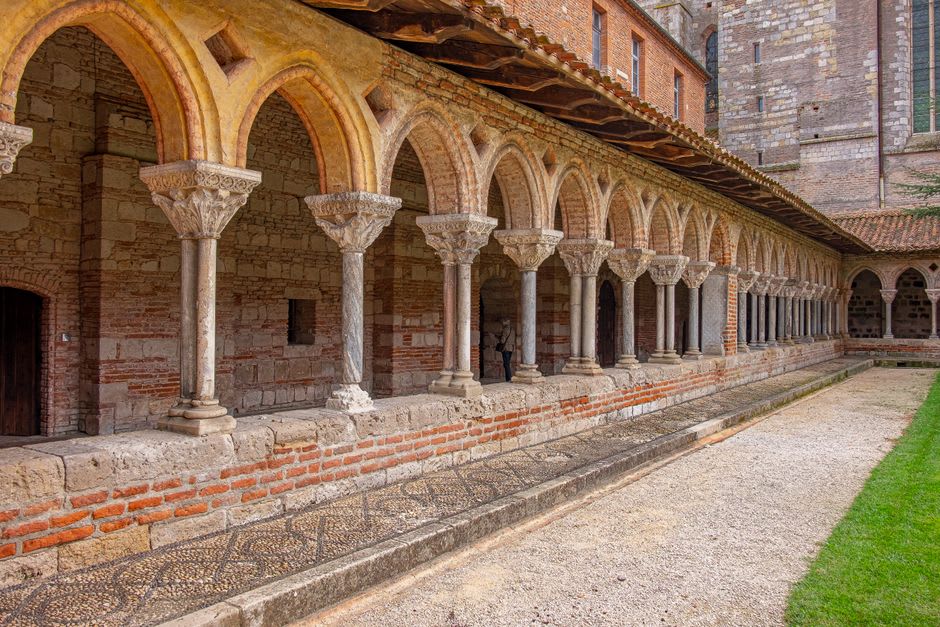
A short drive up from Prades is the Abbaye Saint-Michel-de-Cuxa, a Benedictine monastery founded in the ninth century whose pink marble cloister is one of the best-preserved pieces of Romanesque architecture in France — half of its original carved capitals were sold off to an American collector in the 1920s and now sit in a museum in New York, which still stings a little when the monk giving the tour mentions it. Above both the abbey and the town looms Mount Canigou, at 2,784 meters not the tallest peak in the Pyrenees but by far the most symbolically loaded, a mountain Catalans on both sides of the border treat as close to sacred, lit with bonfires every Saint John’s Eve in a ritual that predates Christianity. Lia and I didn’t have the legs to summit it, but even the drive up toward the Refuge de Marialles gave us views back down over Prades that made the whole detour worthwhile.
When to go: Late July through August for the Prades chamber music festival and the cherry harvest together, or late June for the Saint John’s Eve bonfires on Canigou if you want the region at its most ritual and atmospheric.
Keep exploring
More of Basque Country