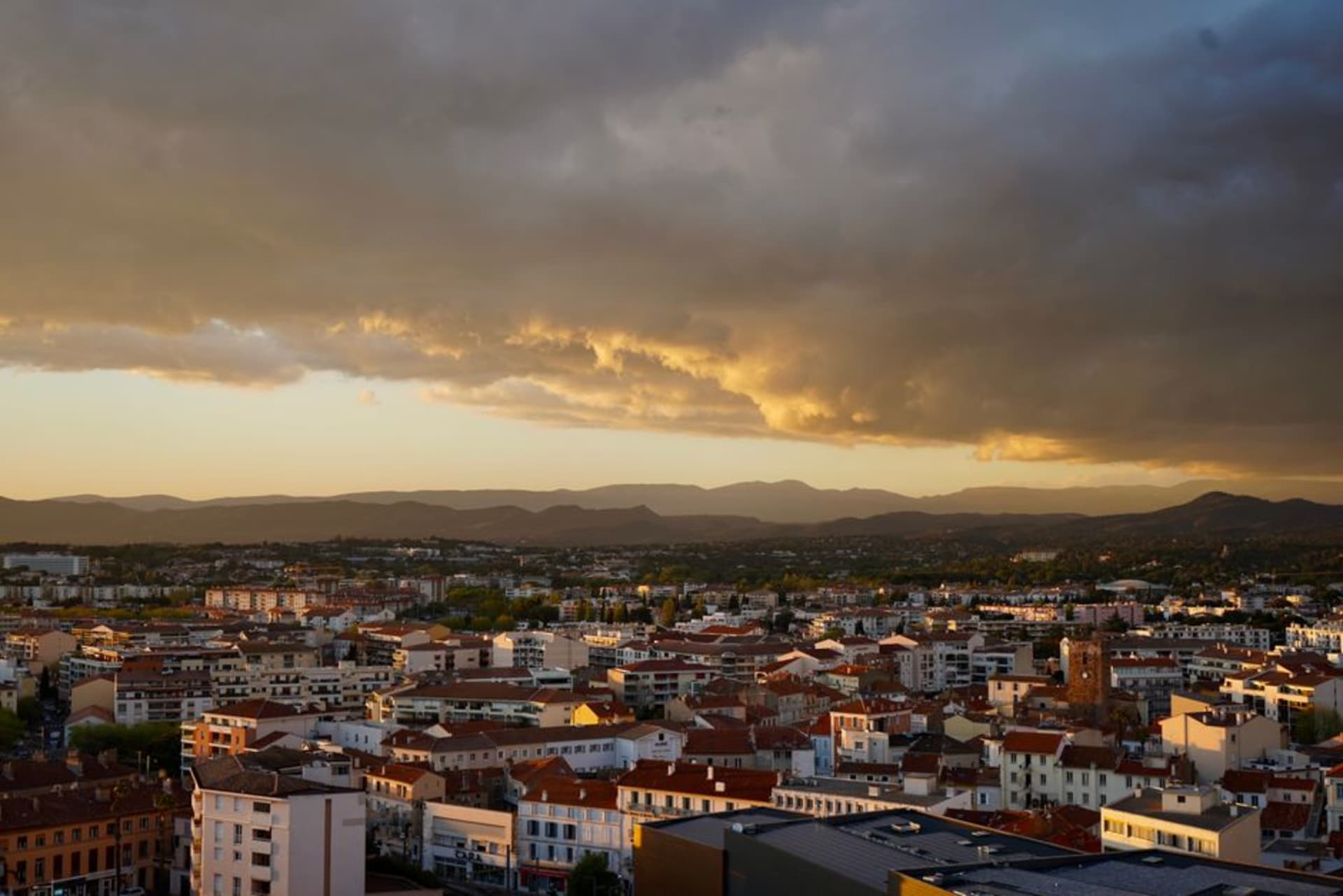
Perpignan
"Nobody in this city let me forget for a single hour that we were in Catalonia, not just France."
The unofficial capital of French Catalonia, where a red-and-gold flag flies almost as often as the tricolour and a fortress palace built for the kings of Majorca still looks out over the Roussillon plain toward Spain.
Perpignan sits close enough to Spain that Salvador Dalí once declared its train station the centre of the universe, a joke he was only half joking about, and the city takes its Catalan identity seriously enough that you’ll see the red-and-yellow senyera flag flying from balconies more often than the French tricolour. We came in from Collioure along the coast road, and the shift was immediate — street signs in Catalan alongside French, sardana dancing in the main square on weekend evenings, restaurant menus built around Catalan classics rather than anything you’d call generic southern French food. Lia, who studied a bit of Spanish in school, kept picking out words she half recognized and getting them slightly wrong, which the waiters found more charming than she expected.
A palace built for kings who ruled from an island
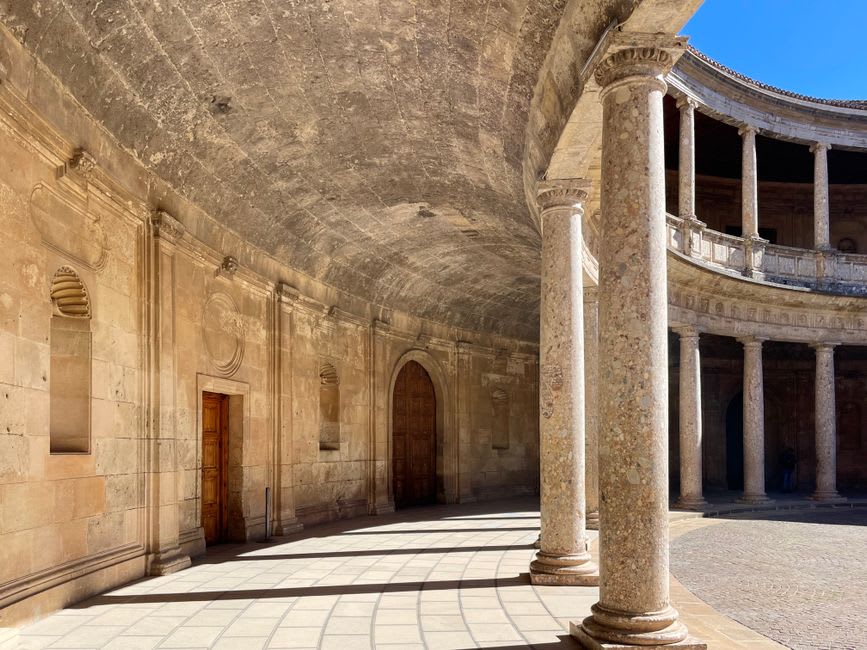
The Palace of the Kings of Majorca sits on a fortified hilltop above the old town, built in the thirteenth century when Perpignan was briefly the mainland capital of an independent Kingdom of Majorca, ruled by a cadet branch of the House of Aragon that controlled the Balearic Islands, Roussillon, and a scattering of other territories before the kingdom was reabsorbed into Aragon within a century. The palace itself is a severe, beautiful piece of Gothic-Romanesque architecture, all thick defensive walls on the outside and a graceful arcaded courtyard within, later reinforced by Vauban when the whole complex became a citadel under French rule. We climbed to the ramparts at the end of the day and watched the Roussillon plain flatten out toward the Mediterranean on one side and the first Pyrenean foothills rise on the other.
Gateway to the Roussillon
Perpignan works less as a single sight than as the hub for the whole Roussillon region — Collioure and the Vermilion Coast to the south, the Cathar country and Cucugnan inland, the vineyards of the Côtes du Roussillon spreading out in every direction from the ring roads. The old town itself rewards a slow half-day: the Loge de Mer, a medieval merchants’ exchange that anchors the main pedestrian street, the brick-and-stone Cathédrale Saint-Jean with its unusual southern-French Gothic proportions, and a produce market that leans hard into Catalan ingredients — anchovies, Banyuls wine, and a version of crema catalana that the vendor insisted, with total confidence, predates its Spanish cousin.
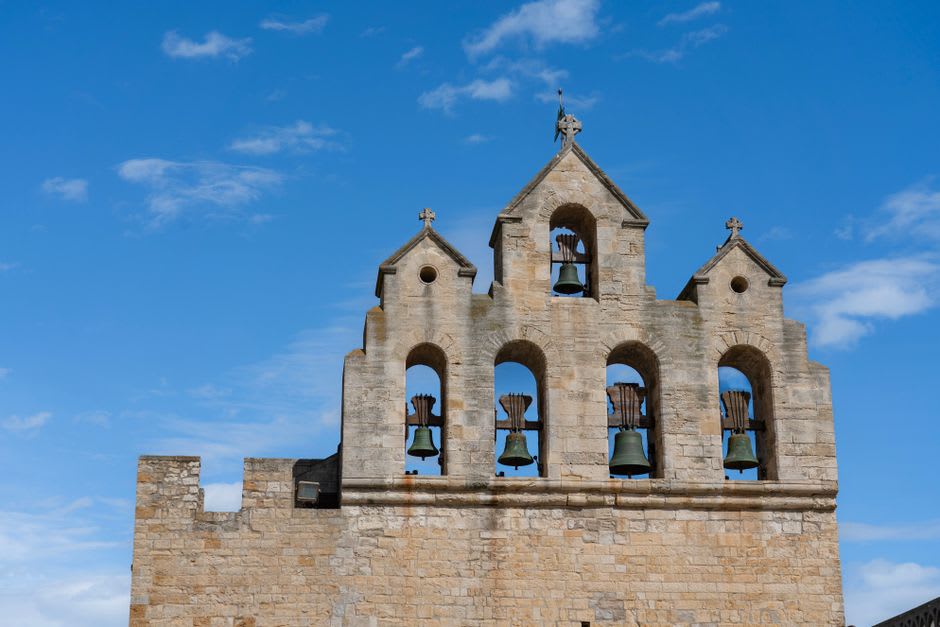
When to go: Late spring or September avoid the peak heat of the Roussillon summer, and if your visit lines up with a weekend evening, the sardana dancing in Place de la Loge is worth timing around.
Keep exploring
More of Basque Country