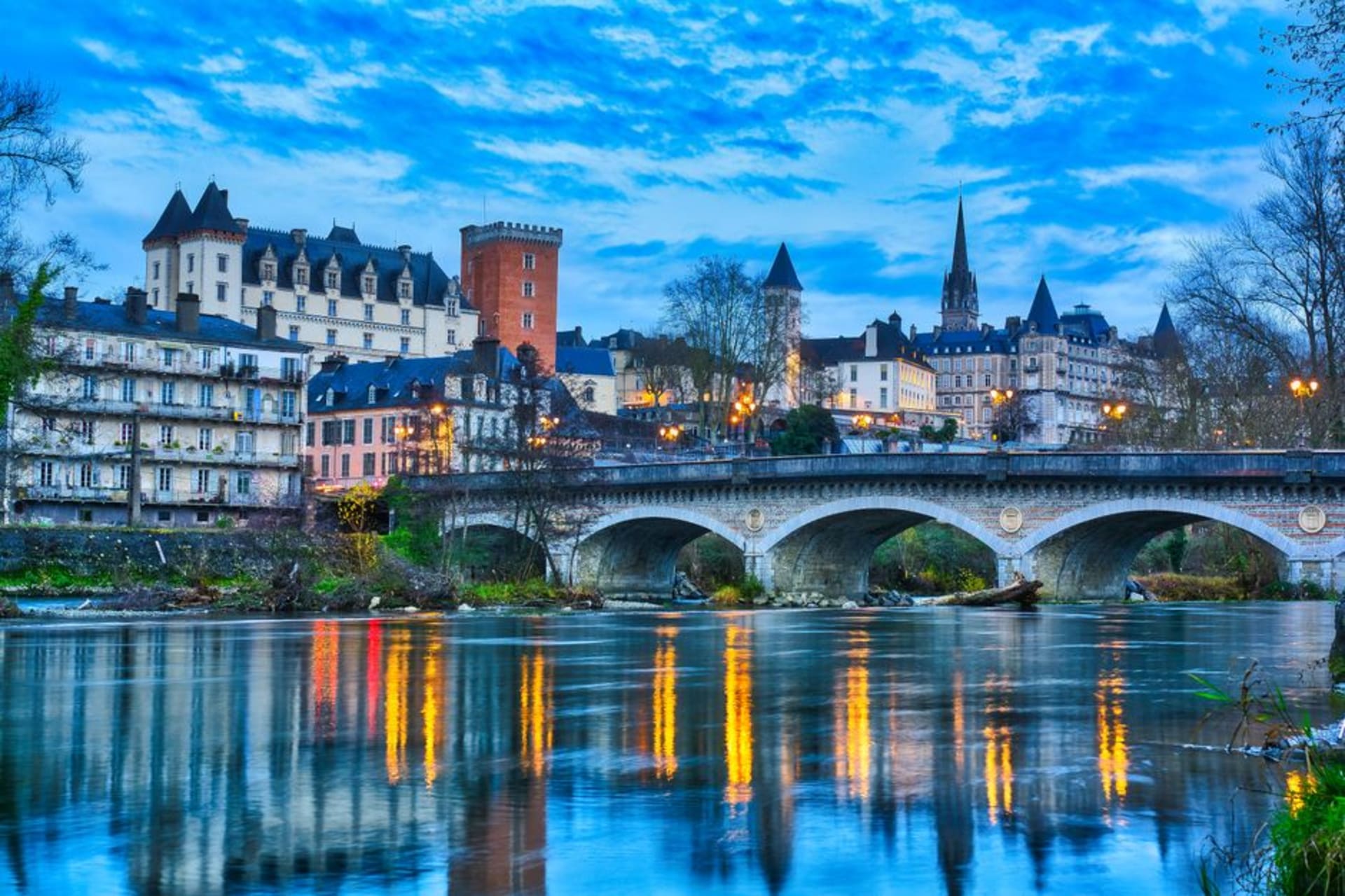
Pau
"Nowhere else in the Pyrenees do you get the mountains served up with quite so much decorum."
The birthplace of Henri IV, a boulevard the English built just to stare at the Pyrenees, and a city that feels more genteel than anywhere else at the foot of the mountains.
Pau surprised me, and I don’t say that often about a French city I’d never especially planned to visit. I’d expected a regional administrative center with a château tacked on for tourists. What I found instead was a city that spent the nineteenth century reinventing itself as a winter resort for the English aristocracy, and that legacy — parks, a horse-racing tradition, a promenade built purely for the view — is still the most interesting thing about the place.
Henri IV’s cradle and a shell that isn’t real
The Château de Pau is where things start, since it’s genuinely where Henri IV was born in 1553, and the room said to be his birth chamber still has the tortoise shell that supposedly served as his cradle, though every guide will tell you with a straight face that it’s a replica and the original disappeared during the Revolution. The castle itself is a strange mix of medieval fortress and Renaissance apartments, remodeled again in the nineteenth century when Louis-Philippe and later Napoleon III used it as a royal residence, so you walk through centuries of taste in a single visit — brick and stone towers giving way to velvet and gilt within the same walls.
The boulevard the English built to look at mountains they’d never climb
The real reason to linger in Pau, though, is the Boulevard des Pyrénées, a mile-long terrace laid out in the 1890s with the single purpose of giving strollers an uninterrupted view of the entire Pyrenean chain — on a clear winter day you can pick out the Pic du Midi d’Ossau’s distinctive double horn nearly eighty kilometers away. The English wintered here by the thousands from the 1840s onward, chasing a mild climate and mountain air recommended by their doctors, and left behind the horse racetrack, a fox hunt, and — genuinely — the first golf course built in continental Europe. Lia and I walked the boulevard at sunset, when the peaks go pink and the light on the Gave de Pau below turns the whole valley gold, and understood immediately why an entire foreign colony decided this was worth crossing the Channel for.
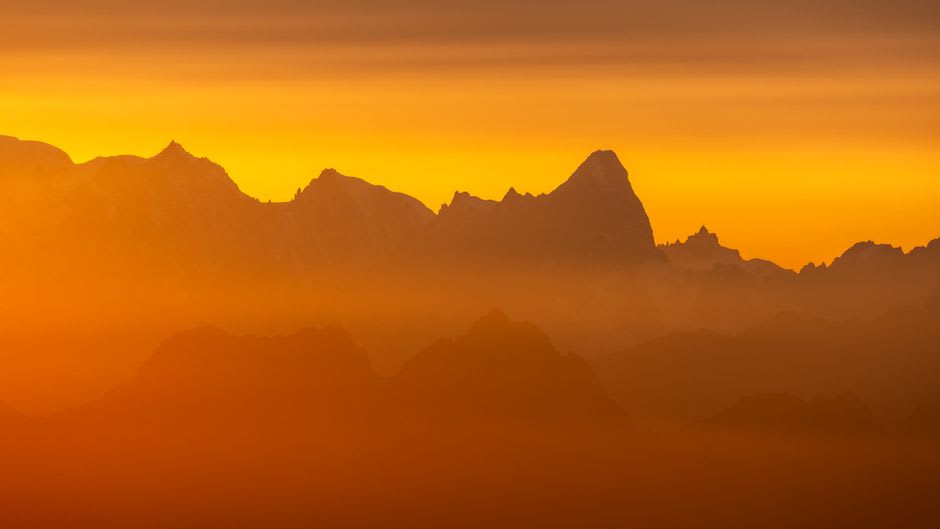
When to go: Clear winter days, oddly enough, give you the sharpest views of the Pyrenees from the boulevard since the air is driest then; aim for a cold, high-pressure morning in January or February rather than the hazier summer months.
Keep exploring
More of Basque Country