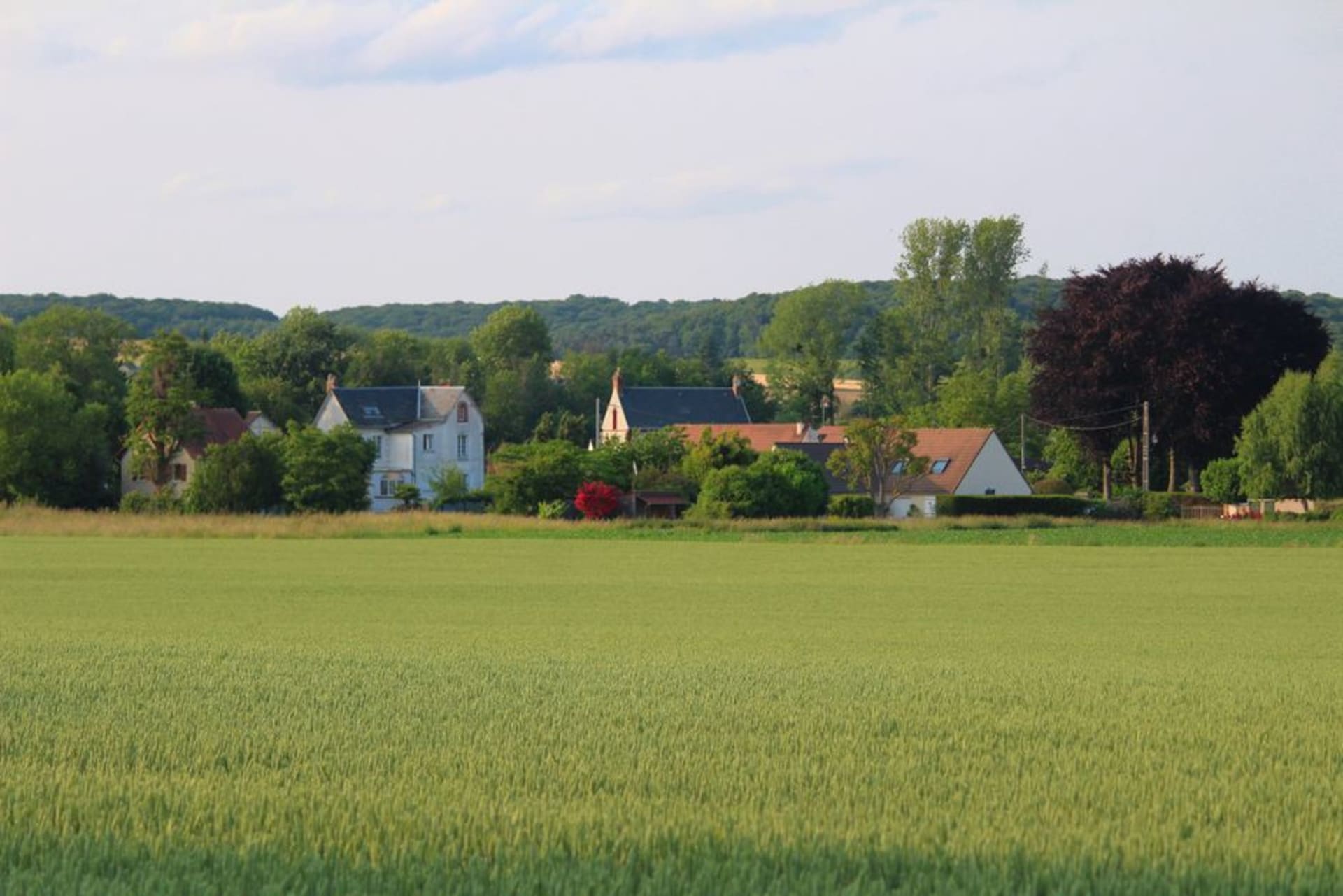
Mauléon-Licharre
"I didn't expect the shoe on my feet to have a hometown, but it does, and I was standing in it."
The old capital of Soule province, where a ruined castle looks down on a river valley and half the town still stitches espadrilles the way its grandparents did.
Mauléon-Licharre is the town Saint-Jean-Pied-de-Port sends you toward if you ask a local where the real Soule province starts, and almost nobody outside the Basque Country has heard of it, which is exactly why I liked it. It’s actually two towns fused into one — Mauléon, the old fortified market town on the hill, and Licharre across the river, quieter and more residential — and the join between them still shows if you know to look for it. We arrived on a grey afternoon with the Pyrenean foothills doing their usual disappearing act into cloud, and the town felt less like a tourist stop than a place that had simply kept doing its own thing for eight hundred years without asking permission.
The espadrille capital nobody advertises
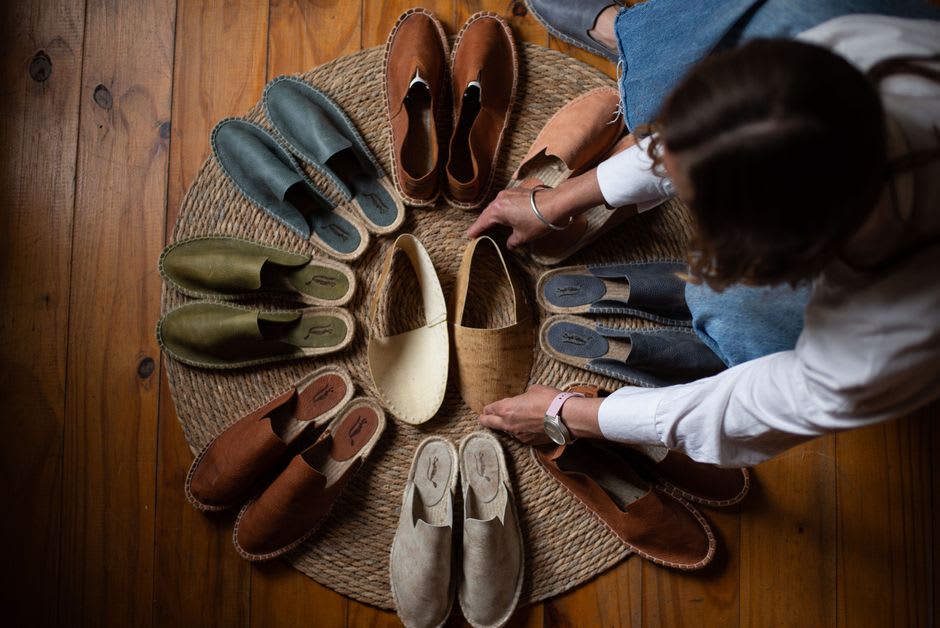
Mauléon has been making espadrilles — the flat canvas-and-rope shoes that turn up on every French beach every summer — since the nineteenth century, when the rope-soling technique arrived from over the Spanish border and local workshops adapted it to the jute and canvas they had on hand. At the town’s peak it produced most of the espadrilles sold in France, and a handful of ateliers still do, some still stitching soles the old way in workshops you can visit by appointment. We ended up in a small shop off the main street where the owner, seeing Lia eyeing a pair of dark blue espadrilles, launched into a ten-minute explanation of jute rope grades that neither of us asked for and both of us were glad to get.
A castle that lost its argument with time
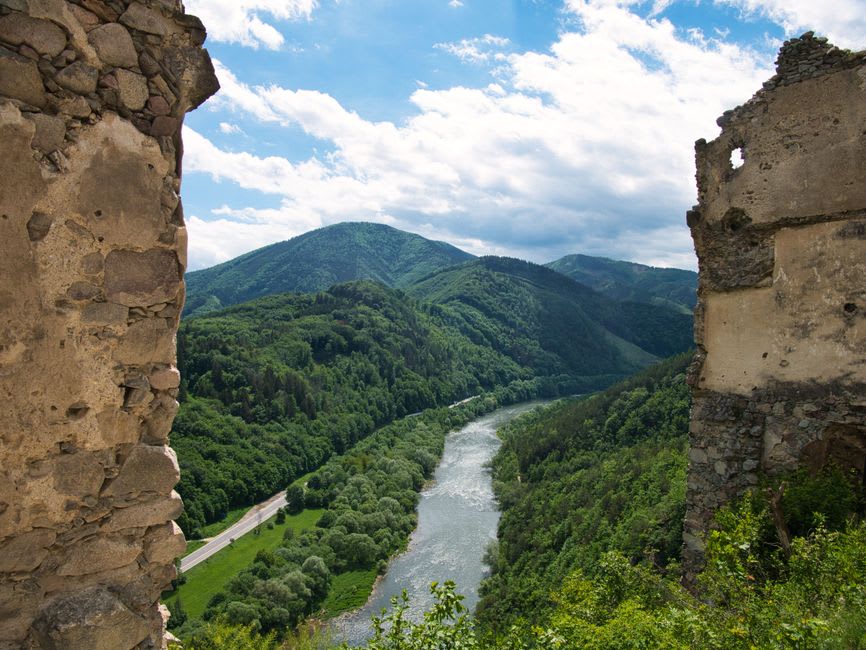
Above the rooftops, the ruins of the Château de Mauléon still hold the hill, a fortress the English built and rebuilt during the centuries when Soule sat right on the fault line of the Hundred Years’ War, and the local viscounts held onto after the English left. Most of it is a shell now — walls with no roof, arrow slits you can put your hand through — but the climb up gets you the whole Saison valley laid out below, the river doing lazy switchbacks between the two halves of town, sheep on the far slopes, and on a clear day the first real wall of Pyrenean peaks rising behind it all. We sat on a fallen block of the keep for a while doing nothing in particular, which felt like the correct way to use a ruin like this.
When to go: Late spring through early autumn gives you dry footing on the castle climb and open workshop hours; if you can time a visit around the Fêtes de la Madeleine in July, the town’s mascarades and pastoral traditions from the wider Soule province come out in full force.
Keep exploring
More of Basque Country