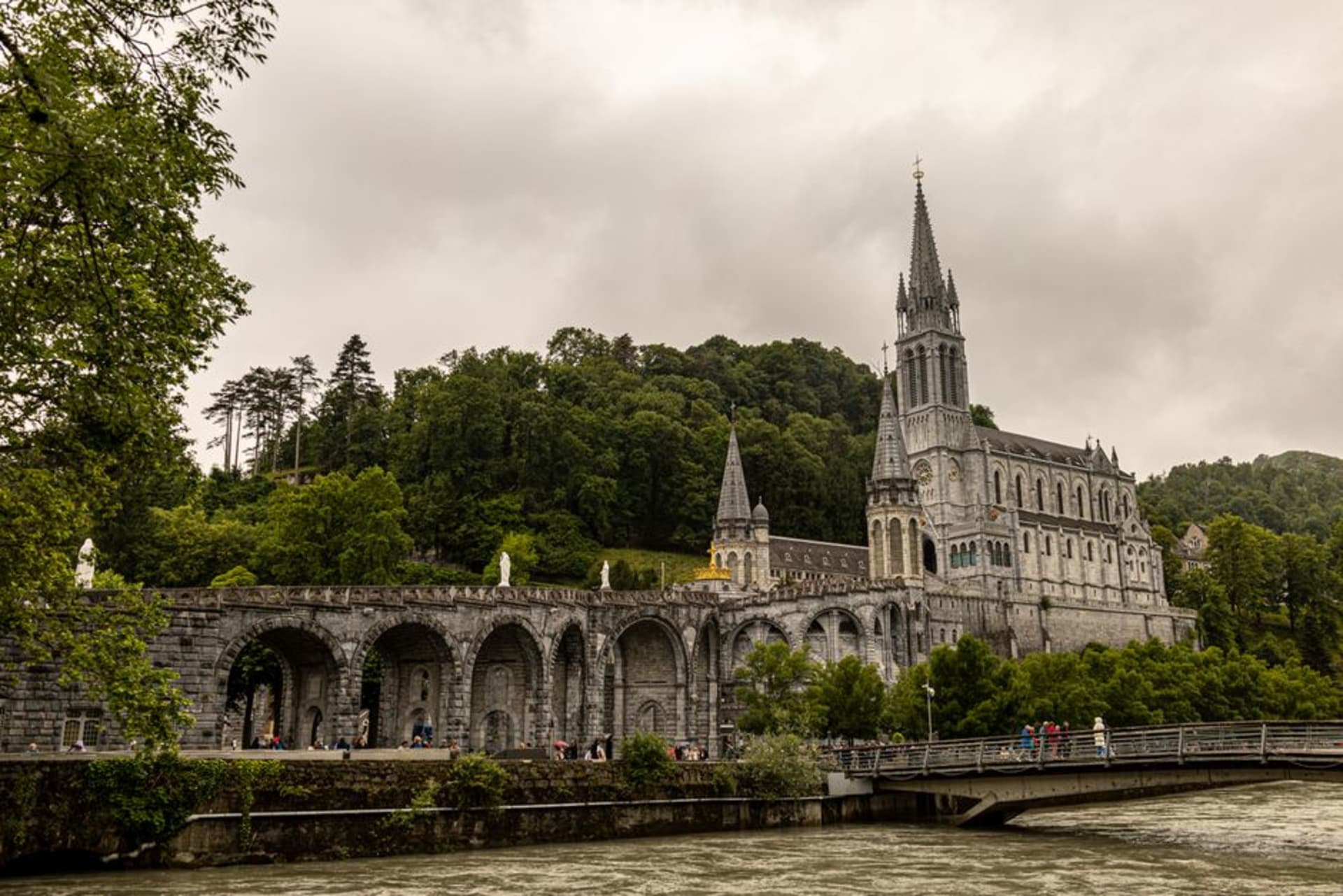
Lourdes
"I went in expecting kitsch and left having genuinely felt something I can't fully explain."
The second-most-visited pilgrimage site in the Catholic world, wedged into a Pyrenean valley, where the candlelight procession made me set aside every ounce of my usual skepticism for a couple of hours.
Lourdes is a strange town to write about honestly, because the honest version has two halves that don’t fit together at all. There’s the sanctuary itself, which is genuinely moving even if you’re not remotely religious, and then there’s the strip of shops around it selling plastic Madonna bottles you can fill with holy water, which is somewhere between funny and slightly depressing. I went with low expectations and came away thinking about the place for weeks afterward, mostly because of what happens after dark.
Bernadette’s grotto, still drawing millions
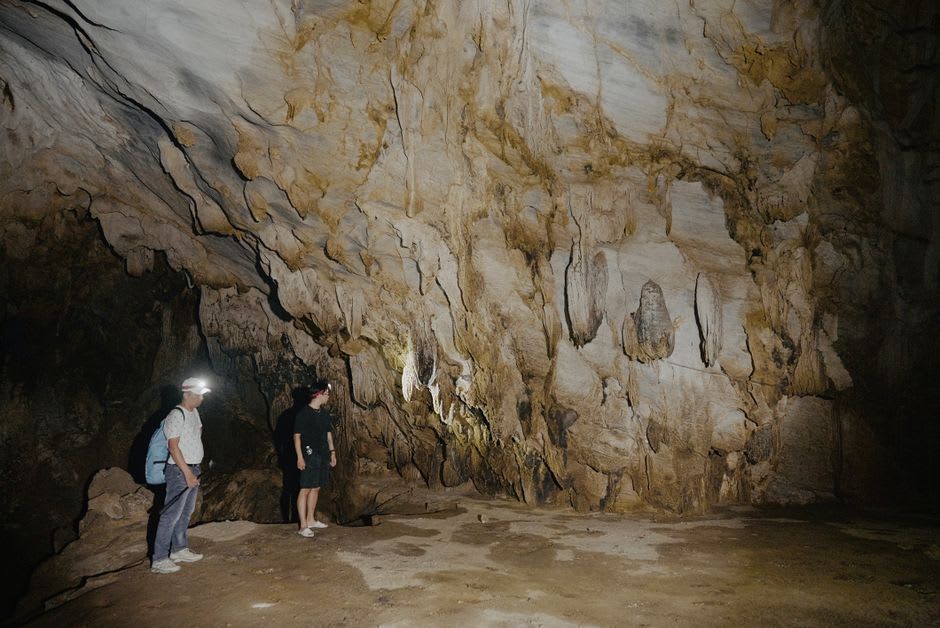
In 1858, a fourteen-year-old miller’s daughter named Bernadette Soubirous reported eighteen visions of the Virgin Mary in a rocky grotto beside the Gave de Pau river, and the town has been built around that single event ever since — a population of barely fifteen thousand receiving several million pilgrims a year, more than any Catholic site outside Rome. The grotto itself is smaller and plainer than I expected, worn smooth by generations of hands touching the rock, with a spring beside it that pilgrims still queue for hours to bathe in, hoping for the miraculous cures the site is known for. The basilica complex above it is a strange architectural pile-up of neo-Gothic spires and a vast underground basilica added in the 1950s that can hold twenty-five thousand people at once.
The procession that got past my defenses
What actually moved me was the nightly torchlight Marian procession, which happens year-round regardless of weather: thousands of pilgrims, many in wheelchairs, some visibly very ill, walking slowly around the esplanade holding candles and singing the Ave Maria in a dozen languages at once. Lia and I stood at the edge of the crowd not really knowing what to do with ourselves, and by the third verse I noticed I’d stopped being a detached observer and just felt the collective weight of that much hope moving past me. Whatever you believe about the visions, that procession is one of the most sincere expressions of faith I’ve stood in the middle of.
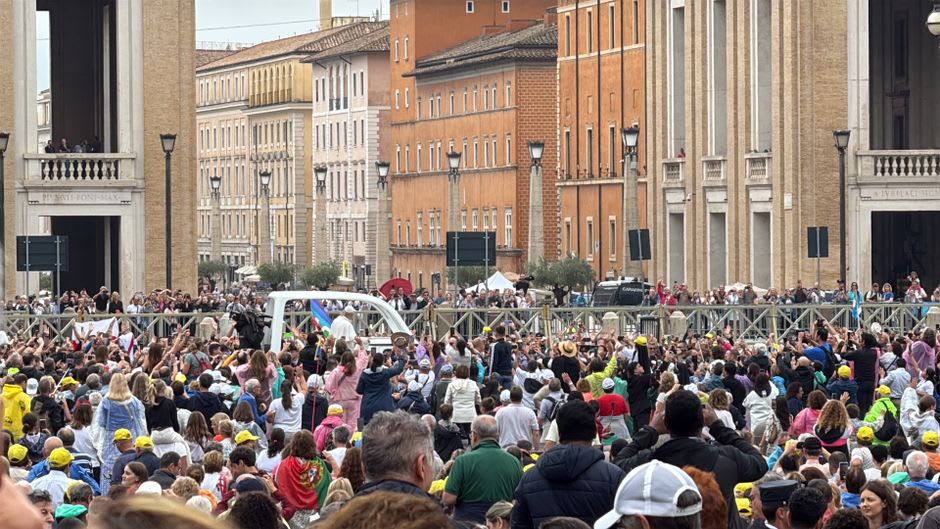
When to go: The main pilgrimage season runs April through October, with the torchlight procession happening nightly through that period; if you want the spiritual weight without the peak crowds of the August 15th Assumption pilgrimage, aim for May or late September.
Keep exploring
More of Basque Country