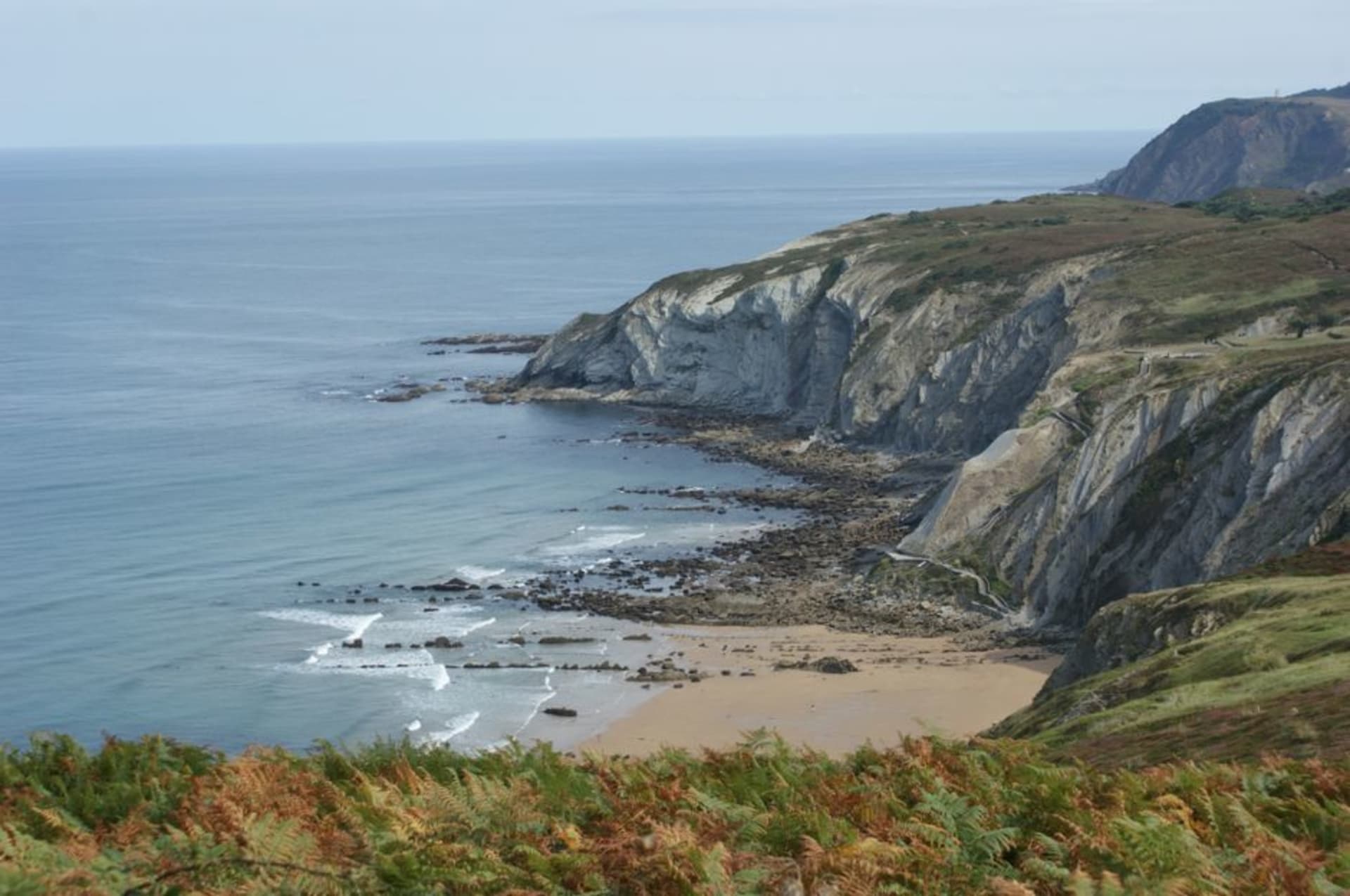
Hendaye
"I stood on a beach and watched France become Spain without a single checkpoint in sight."
The last French Basque beach town before the border, where a river with two names splits two countries and a tiny uninhabited island switches sovereignty every six months.
Hendaye sits at the exact point where France runs out on the Atlantic side, separated from Spain’s Hondarribia by nothing more than the mouth of a river that can’t decide what it’s called — the Bidasoa on the Spanish side, the same river with a French accent on ours. We walked the length of the beach one evening, a long crescent of fine sand that’s genuinely one of the best on this coast, and watched the lights of Hondarribia come on across the water close enough that Lia asked, only half joking, whether we could swim over for dinner. You more or less can, if you don’t mind currents; a passenger ferry does the same trip in about five minutes for people who’d rather stay dry.
An island that belongs to nobody full-time
Out in the middle of that river sits Pheasant Island, a scrap of land about the size of a football pitch, uninhabited, wooded, and utterly unremarkable to look at — except that under a 1659 treaty ending decades of war between France and Spain, sovereignty over it alternates every six months, French from February to July and Spanish the rest of the year. It’s the world’s oldest condominium, jointly administered for over three and a half centuries, and it’s where Louis XIV met his Spanish bride Maria Theresa in 1660 to seal the peace, and where a young Velázquez helped design the pavilion for the occasion in one of his last commissions. You can’t set foot on it, but you can walk right along the riverside path in Hendaye and stare at a piece of geopolitical trivia doing absolutely nothing in the water.
Beach town by day, border town always
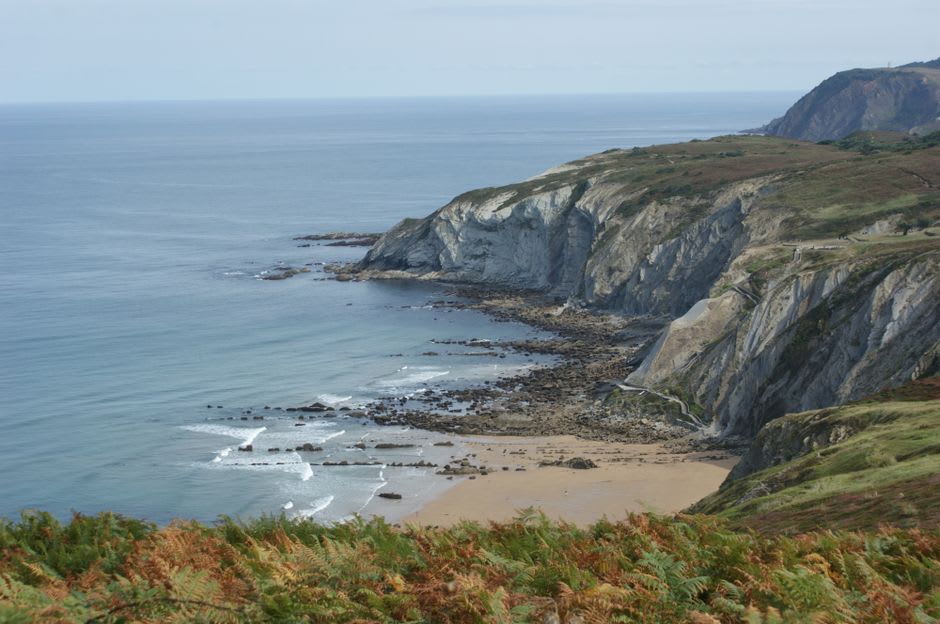
Hendaye splits cleanly into two moods: the belle-époque seafront, all wide promenade and grand old villas built when this was a fashionable resort for Belle Époque Parisians escaping to the Basque coast, and the older Basque quarter up on the hill around the church of Saint-Vincent, which feels like a village that got a beach town built onto it almost by accident. We had dinner one night at a place near the harbour that served fish straight off the boats working the river mouth, then walked back along the frontier bridge just to say we’d crossed into Spain and back before dessert.
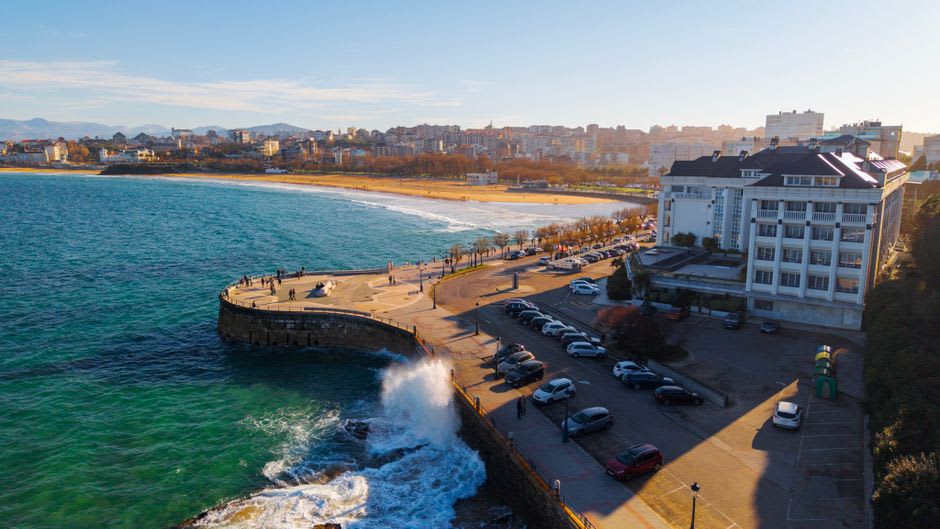
When to go: July and August give you the best swimming and full beach-town energy, but September keeps the warm water and clears out enough of the crowd that Pheasant Island’s story gets the quiet it deserves.
Keep exploring
More of Basque Country