Font-Romeu
"I've never stood in front of a building that looked more like a spaceship than a research lab."
A high-altitude sun trap on the Cerdagne plateau where French Olympians come to train on thin air, and where the world's largest solar furnace sits pointed at the sky like a giant mirror.
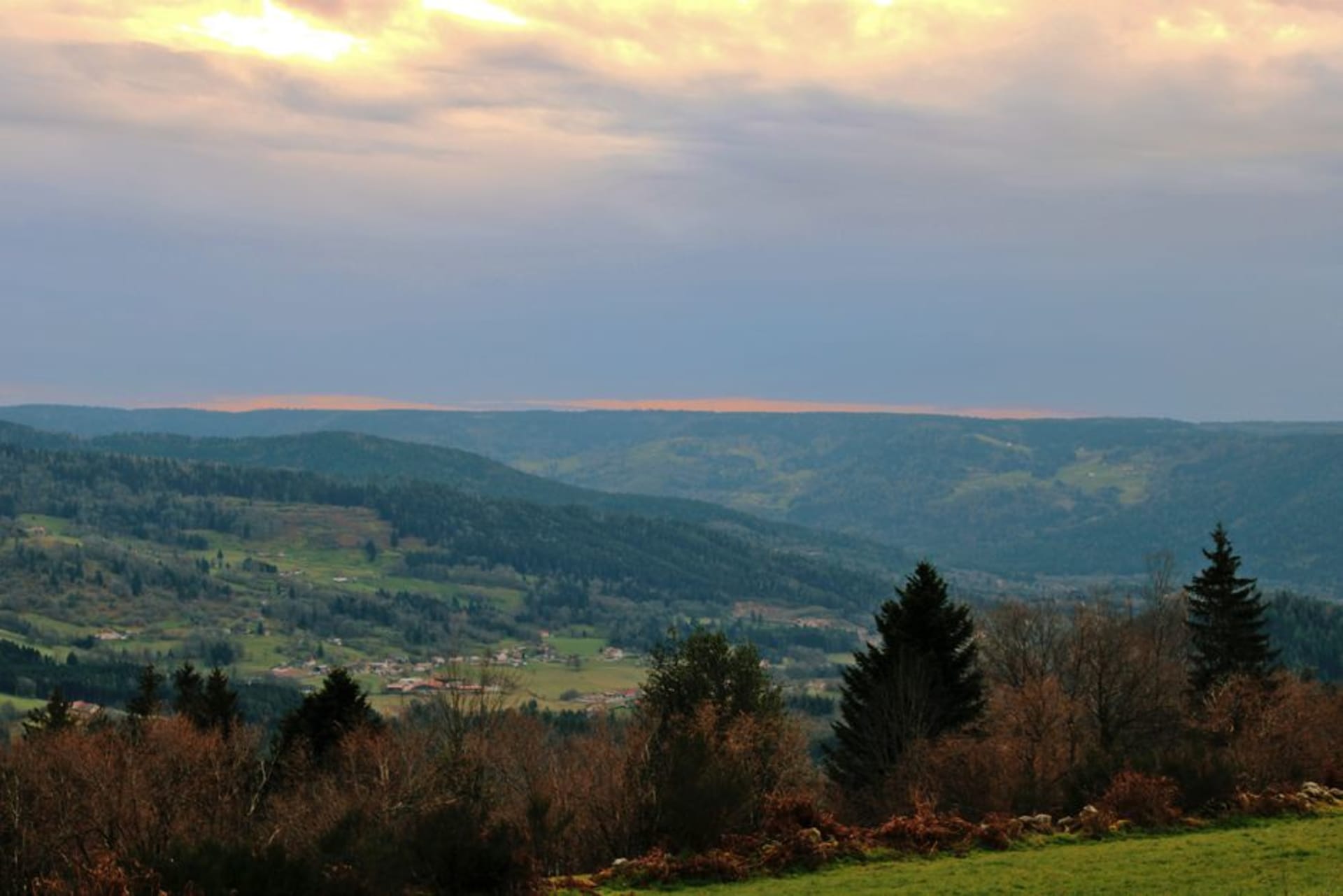
Font-Romeu sits at over 1,800 meters on the wide, open Cerdagne plateau, and the first thing anyone tells you about it is the sunshine — more than three hundred days of it a year, which is genuinely unusual for a mountain town this high and explains why French endurance athletes have trained here since the 1960s. The second thing they tell you is about the strange mirrored building on the edge of town, which turned out to be the actual reason I wanted to visit.
Altitude training and a plateau built for stamina
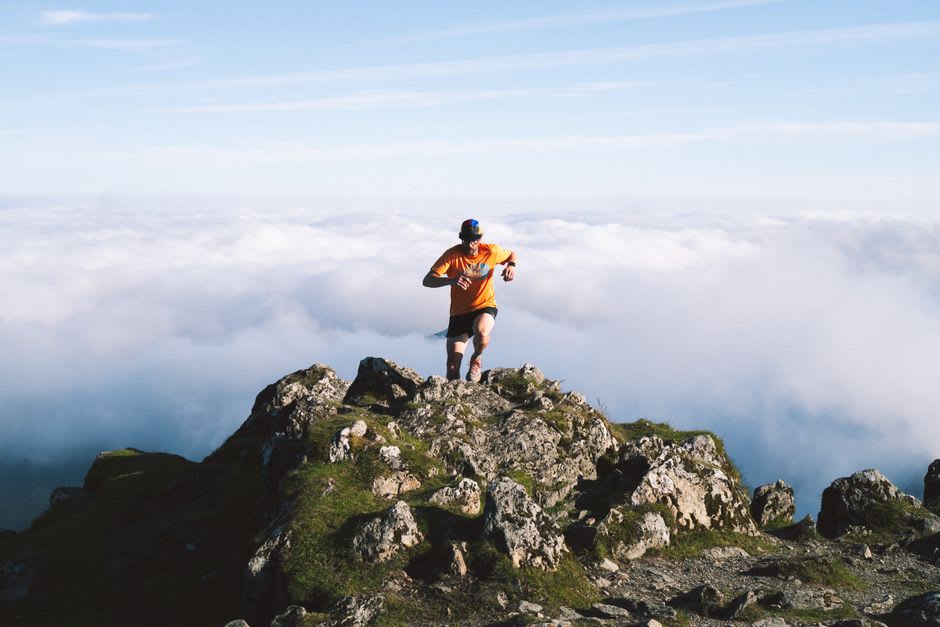
France’s National Institute of Sport built its high-altitude training center here in 1967, in part to prepare athletes for the thin air of the 1968 Mexico City Olympics, and the facility has trained French Olympic runners, cyclists, and footballers ever since — there’s a genuine mystique to jogging the same altitude-training loops as professional athletes, even at our decidedly amateur pace. The Cerdagne plateau itself is wide and bright in a way that feels almost more like a high desert than the French Pyrenees, ringed by peaks but open enough that the sun gets nearly unobstructed access most of the year, which is exactly the quality that made the town’s other claim to fame possible.
The world’s biggest mirror, pointed at the sun
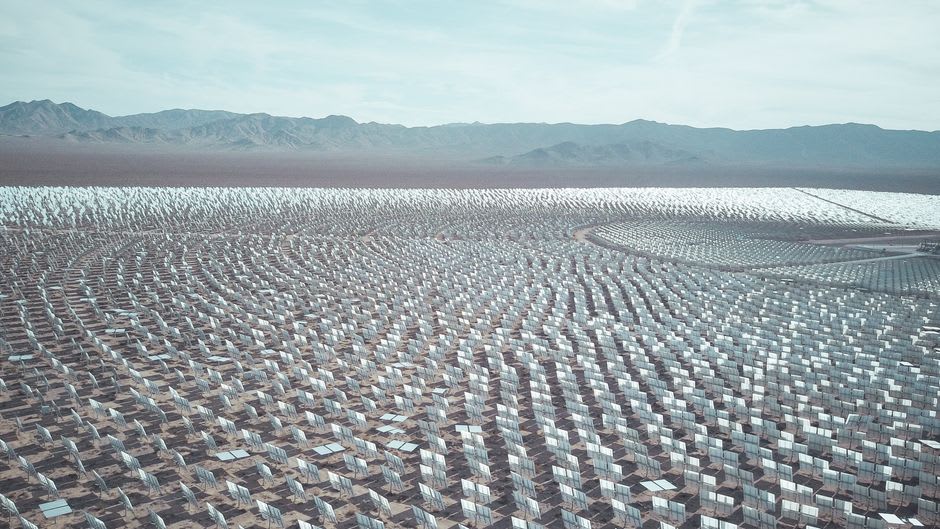
Just outside town, at Odeillo, sits the Four Solaire, the largest solar furnace on Earth: a curved wall of nearly ten thousand small mirrors that reflects sunlight onto sixty-three tracking heliostats, which in turn concentrate it onto a parabolic collector capable of reaching temperatures over 3,500 degrees Celsius. Built in the 1960s for materials research, it still operates today, and from the visitor terrace the whole structure looks less like a scientific instrument and more like the entrance to something out of a science fiction film — Lia’s exact words were “so this is where they’d film the villain’s lair.” You can’t get inside during active experiments, but the small exhibition explains the physics clearly enough even for those of us who last thought about optics in a high school classroom.
When to go: Winter for skiing and the near-guaranteed sunshine that gives the town its name, or summer for hiking the Cerdagne plateau and touring the solar furnace, which is most active and most visually striking on clear, bright days.
Keep exploring
More of Basque Country