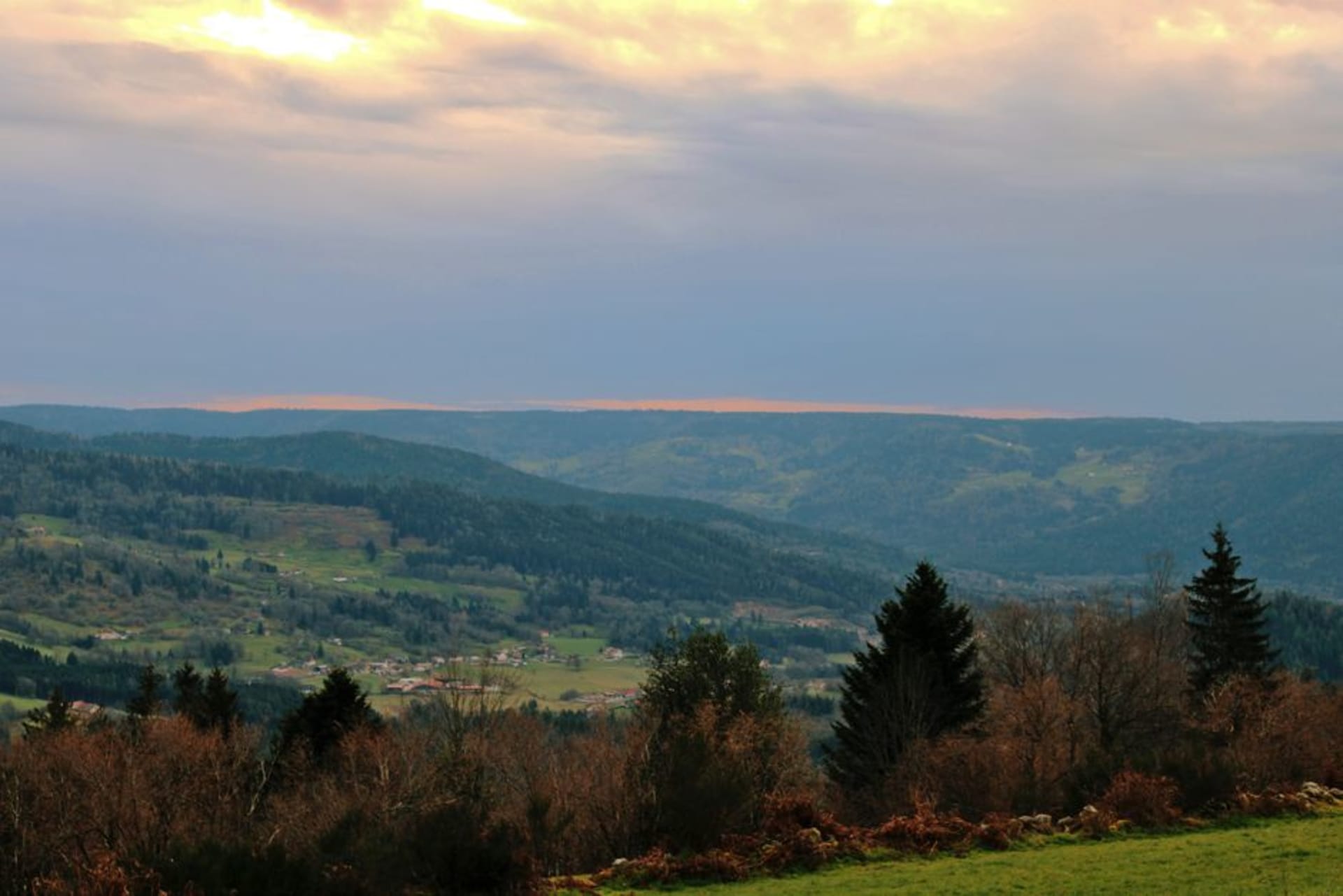
Céret
"Nobody warns you that the cradle of Cubism smells like ripe cherries in June."
A cherry-orchard town at the foot of the Pyrenees that Picasso and Braque quietly turned into the birthplace of Cubism, and where the fruit stalls still show up before the art crowd does.

Céret calls itself the “cradle of Cubism,” a claim that sounds like small-town marketing until you actually walk through the Musée d’Art Moderne and realize how much of it is true. This is a town of maybe eight thousand people in the Vallespir, more famous historically for its cherries than for anything else, and yet for a few crucial years before the First World War it quietly became one of the most important places in the story of modern painting.
Picasso, Braque, and a medieval bridge
Picasso first came to Céret in 1911 at the invitation of the sculptor Manolo, and he kept returning for years, dragging Braque, Juan Gris, and Max Jacob along with him at various points — drawn, they said, by the light, the cheap rent, and the sheer strangeness of the landscape where the Pyrenees meet the Mediterranean plain. Some of the earliest, most fractured Cubist canvases were painted in rented rooms here, and the town’s Musée d’Art Moderne, unusually rich for somewhere this size, holds works Picasso and Matisse both donated directly to it. Just below the museum, the Pont du Diable, a single stone arch built in the fourteenth century, appears in more than one of those Cubist paintings, its dramatic single span apparently irresistible to painters trying to break form apart and reassemble it.

The cherries that came before the painters
Long before any of that, Céret was known simply for producing France’s earliest cherries, thanks to a microclimate sheltered enough that the harvest here beats the rest of the country by several weeks — a tradition genuinely old enough to be celebrated with its own festival each spring. We arrived in early June and the market square was stacked with crates of Burlat and Napoleon cherries, sold by growers who clearly couldn’t care less about the Cubism connection down the road. I bought a kilo to eat walking through the old town’s arcaded streets, spitting pits discreetly into a napkin while trying to look like I appreciated the art history more than the fruit.

When to go: Late May into June for the cherry harvest and its accompanying fête, though the Musée d’Art Moderne and the old town are worth a visit any time the Vallespir isn’t buried in winter cloud.
Keep exploring
More of Basque Country
Keep exploring
More from Basque Country
 france
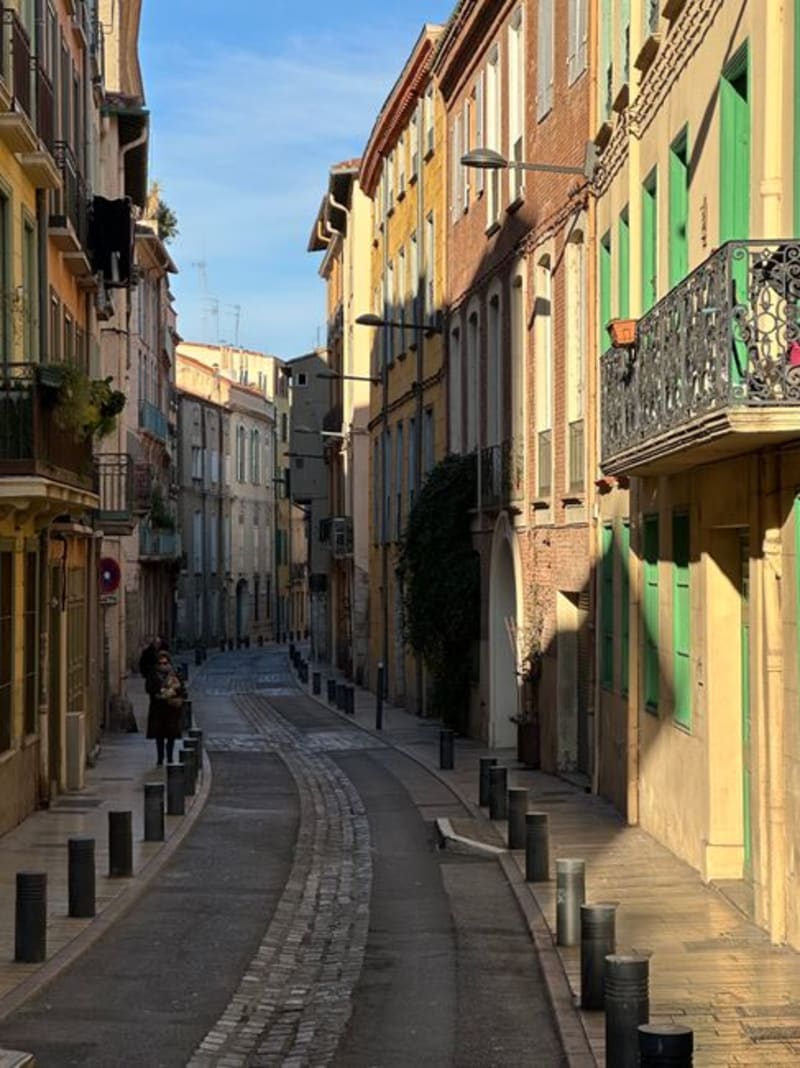
 Perpignan
The unofficial capital of French Catalonia, where a red-and-gold flag flies almost as often as the tricolour and a fortress palace built for the kings of Majorca still looks out over the Roussillon plain toward Spain.
Explore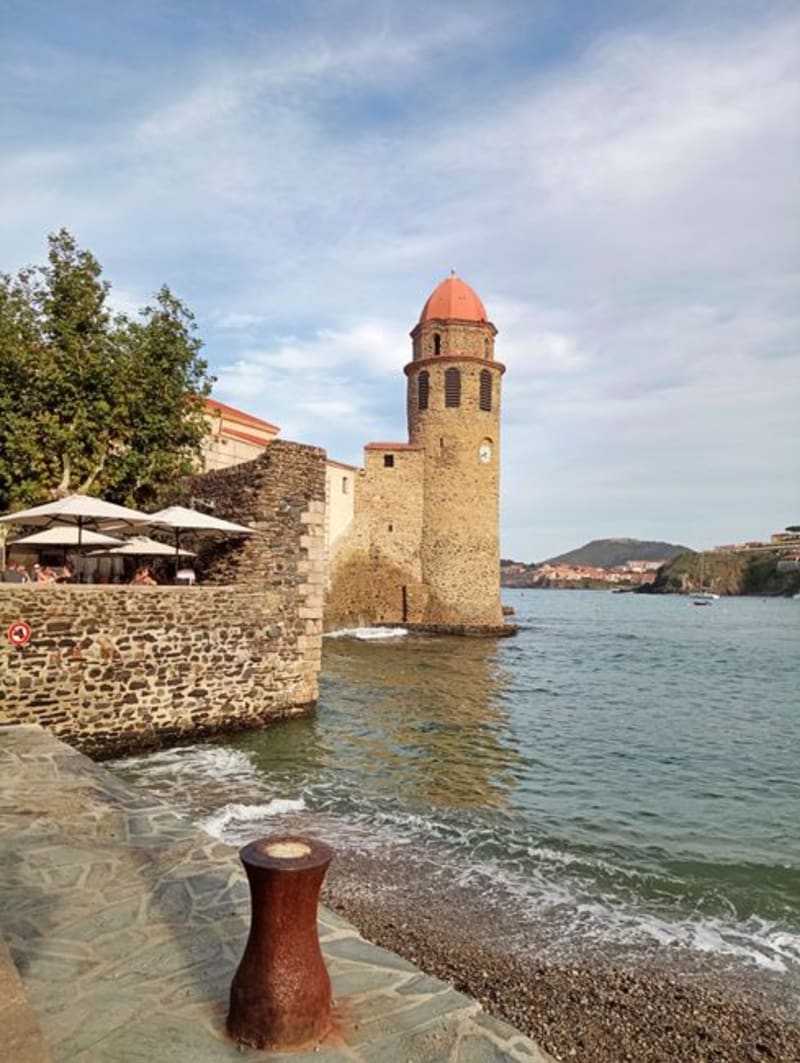 france
 Collioure
A Catalan fishing port on the Vermilion Coast where a pink-domed church sits at the water's edge and the light convinced Matisse and Derain to invent Fauvism on its beach in a single summer.
Explore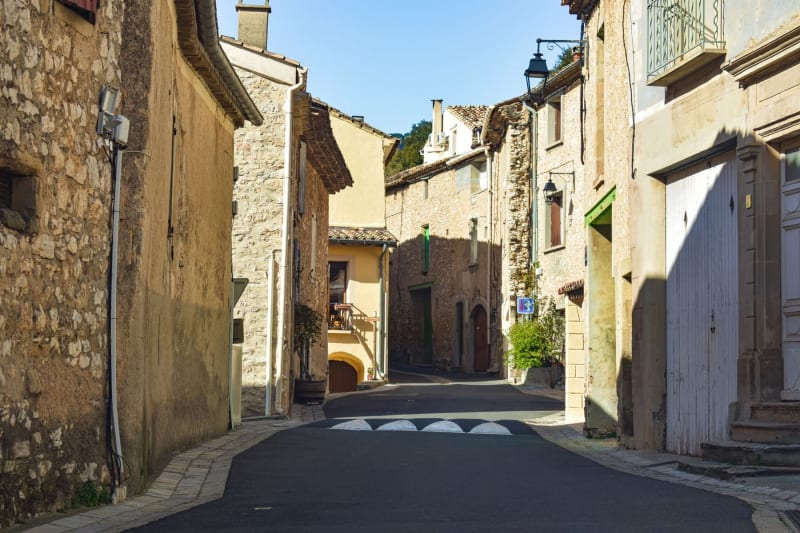 france
 Cucugnan
A forgotten Cathar village beneath a windmill in the Corbières, overlooking vineyards no map bothers to label.
Explore france
 Villefranche-de-Conflent
A tiny fortified town Vauban wrapped in stone to guard the road into Spain, and the place where a bright yellow train starts its climb into the high Pyrenees.
Explore france
 Font-Romeu
A high-altitude sun trap on the Cerdagne plateau where French Olympians come to train on thin air, and where the world's largest solar furnace sits pointed at the sky like a giant mirror.
Explore france
 Minerve
A Cathar stronghold perched on a limestone spur above two rivers, reachable by a single stone bridge.
Explore