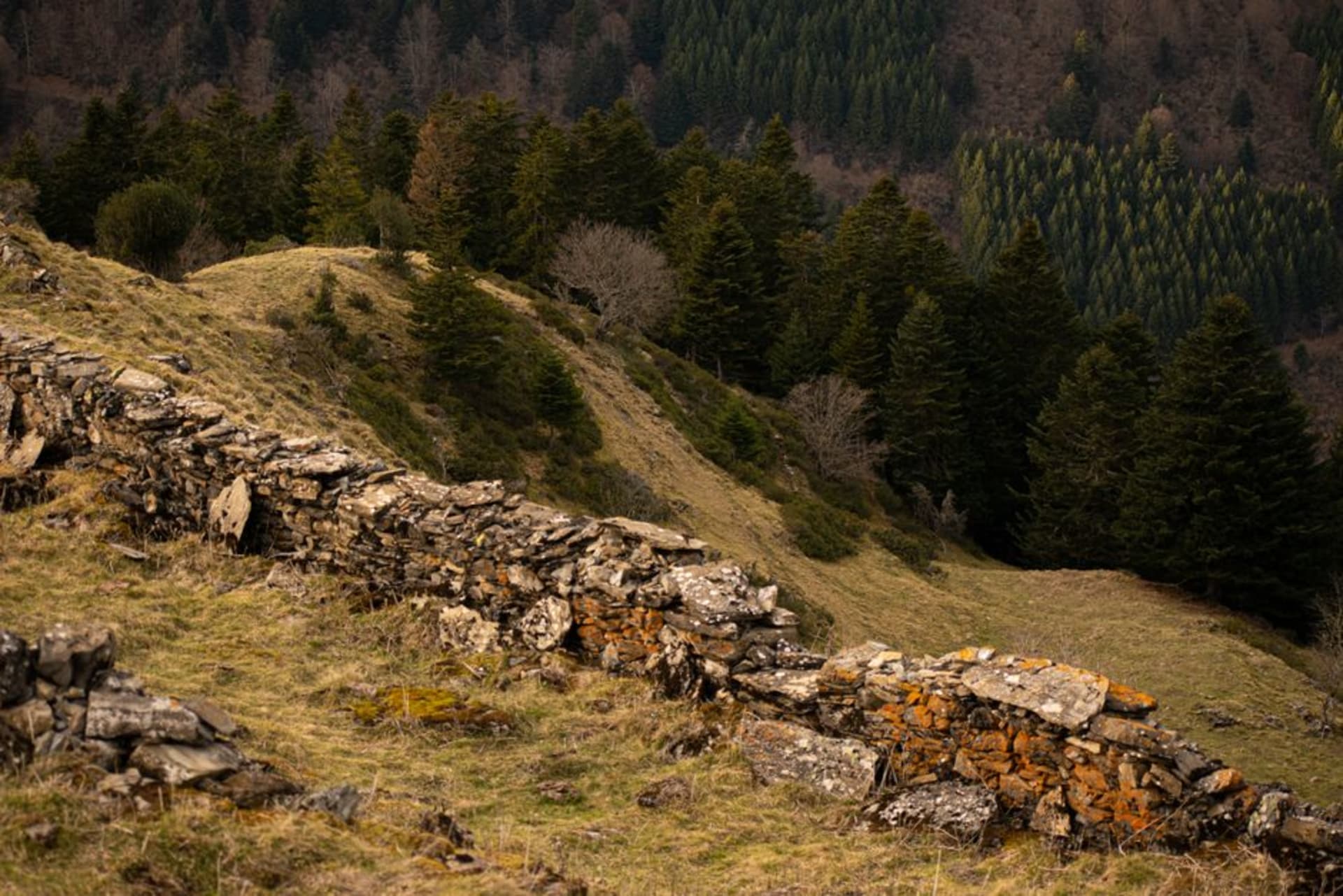
Bagnères-de-Bigorre
"I've watched grown men cry at the top of the Tourmalet, and it wasn't from the view."
A thermal town that has been sending people up into the mountains since Roman times, and where every July the whole place still seems to hold its breath for the Tourmalet.
Bagnères-de-Bigorre isn’t a Pyrenean postcard the way some of its neighbors are — it’s a working spa town, a bit faded around the edges, the kind of place where the thermal baths and the marble quarries and the wool mills used to matter more than tourism ever did. I liked it precisely for that. Lia and I ended up there almost by accident, looking for a base to drive the Tourmalet from without paying resort prices, and we stayed three nights instead of one.
The water that built the town
Romans were soaking in Bagnères’ hot springs two thousand years ago, and by the nineteenth century the town had turned that habit into an entire economy: grand thermal establishments, a casino, English and Spanish aristocrats arriving by train to take the waters for their gout and their nerves. The Grand Établissement Thermal still operates, a slightly grand, slightly institutional building where you can book a soak that costs less than a decent dinner. We didn’t do the full cure, just a late-afternoon session in the warm pools, and came out loose-limbed in a way no amount of hiking had managed that week.

Driving up to where the Tour de France goes to suffer
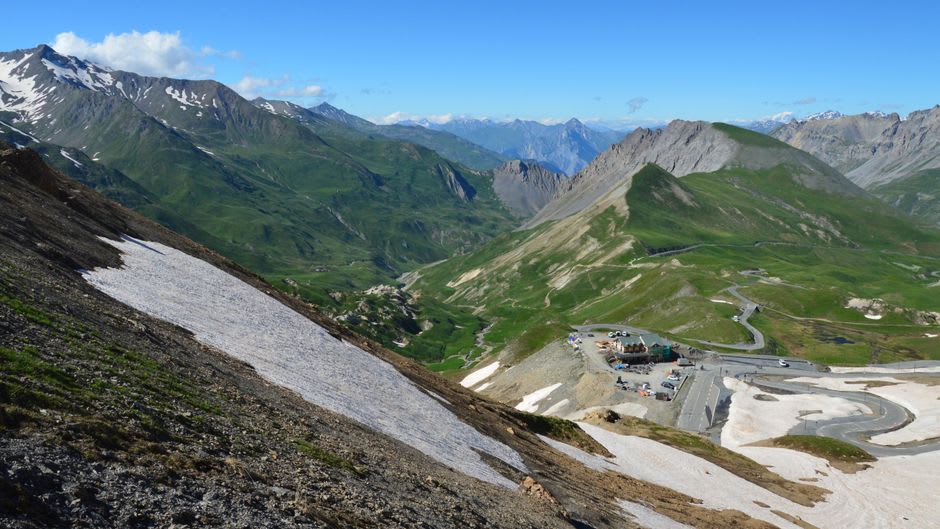
The real reason most people pass through now is the Col du Tourmalet, the highest paved pass in the French Pyrenees and the mountain the Tour de France has used to break riders more than any other since 1910. The road out of town climbs through La Mongie’s ski-station scaffolding before the trees give out entirely and you’re just switchbacks and scree up to 2,115 meters. We drove it, which felt slightly cowardly watching the cyclists grinding past us in their lowest gear, sweat-soaked and grim, some of them clearly doing it as a personal pilgrimage rather than for any view at the top. The statue of Octave Lapize at the summit, doubled over from the 1910 race, sums up the mood better than any plaque could.
Back in town, the old wool and marble trades left their mark too — Bagnères marble lines half the churches of southern France, and there’s a small museum devoted to it if you want the history without the altitude.
When to go: June through September for the pass to be reliably open and the cycling crowds at their thickest, though if you’d rather have the Tourmalet road nearly to yourself, aim for the first half of June or mid-September, before and after the peak amateur cyclosportive season.
Keep exploring
More of Basque Country