Volvic
"The whole village is built out of the same rock that filters the water in the bottle. That's not a metaphor, it's just true."
The quarry town behind the mineral water bottle in every French fridge, its dark lava-stone buildings quite literally cut from the same volcanic rock that filters the spring below.
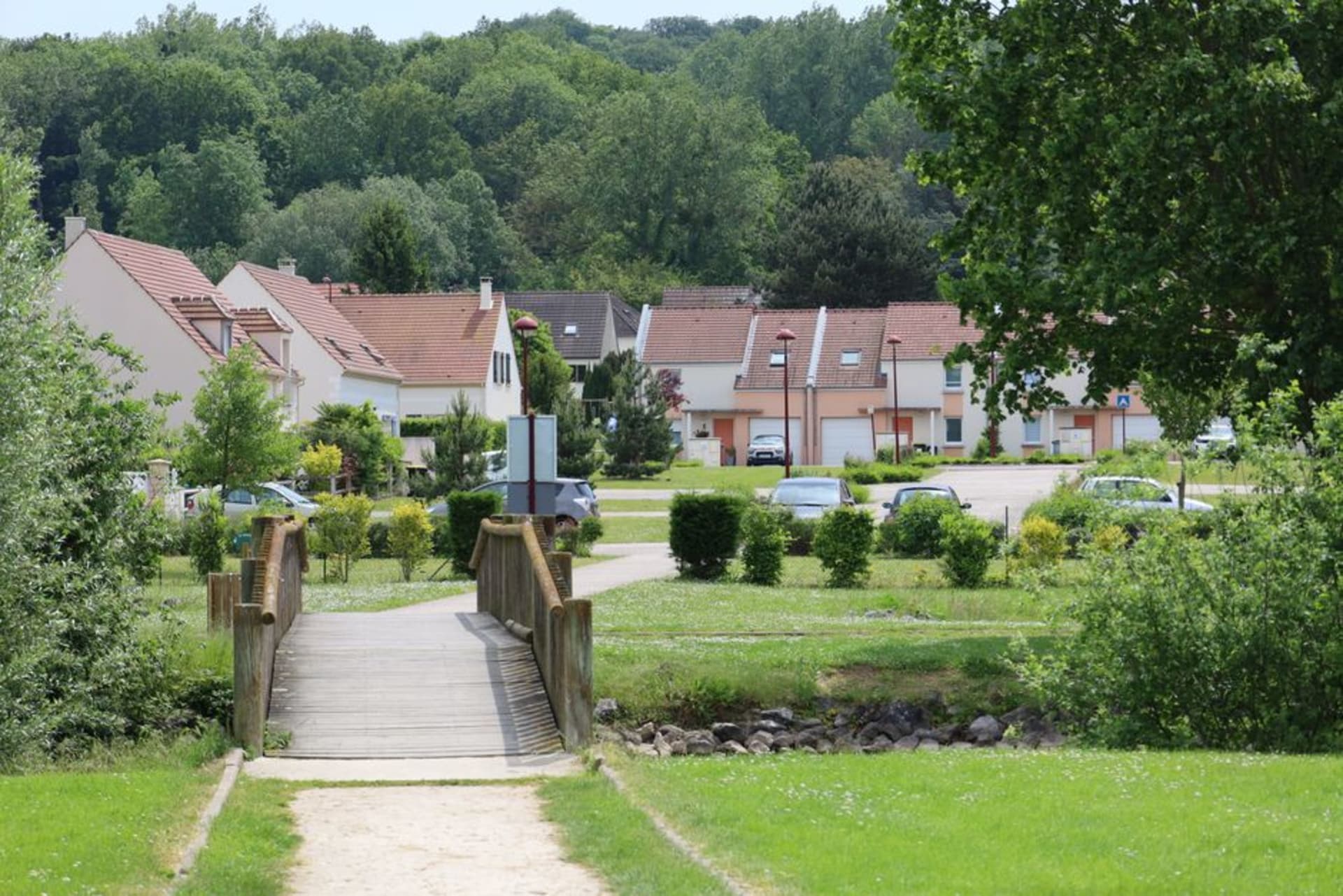
Volvic is a name every French household recognizes off a supermarket shelf long before they ever hear of the actual village, and arriving there for the first time felt oddly like meeting a celebrity in person — smaller, quieter, and stranger than the branding had led me to expect. The connection isn’t incidental marketing: the mineral water genuinely comes from a spring here, filtered slowly over years through the volcanic rock of the Chaîne des Puys, and the same porous black lava that filters that water is the exact stone the village itself is built from, quarried directly from the hillside a short walk above the houses.
A village quarried out of its own hill
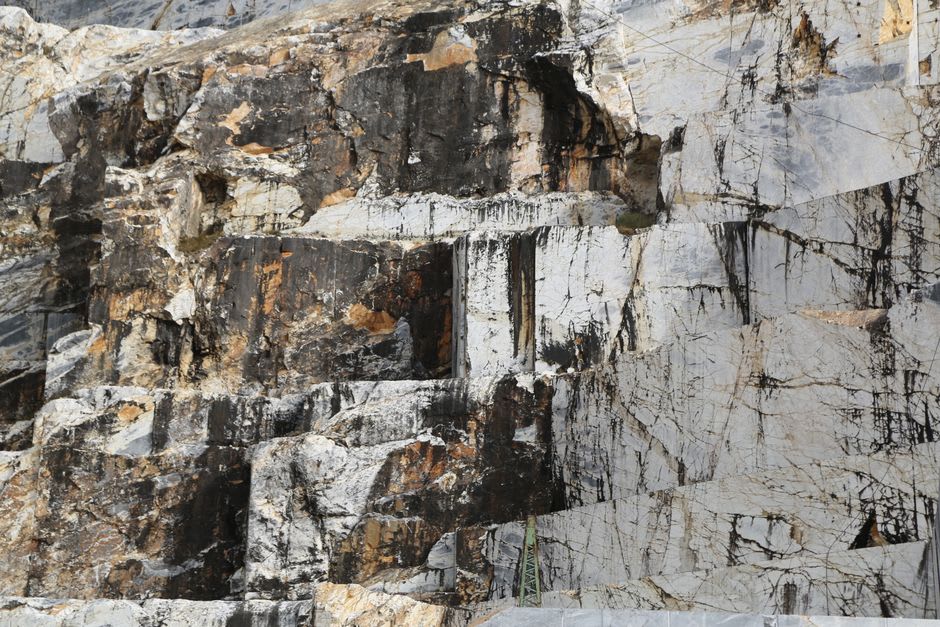
The Carrières de Volvic, the quarries above the village, have been cut into since Roman times, producing the dark, durable volcanic stone used across the Auvergne for cathedrals, castles, and ordinary houses alike — Riom’s entire town center and much of the black stonework in Clermont-Ferrand’s cathedral came from these same quarries. A visitor center, the Maison de la Pierre, is built directly into a disused section of the quarry, and walking through it gives a genuinely visceral sense of scale: enormous cut blocks of stone stacked where they were left, and a still-active section beyond where machinery continues cutting the rock much as it has, with mechanized help, for two thousand years.
Following the water to its source
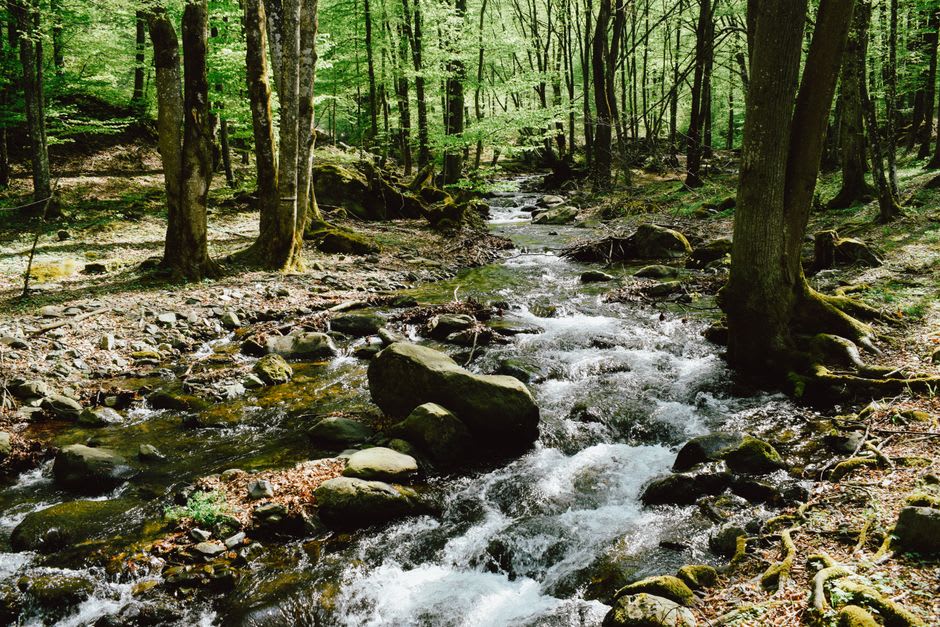
A separate site nearby, associated with the bottling operation, opens part of the spring’s forested catchment area to visitors, tracing in simple terms how rainfall filters down through decades of volcanic rock before emerging as the water that eventually ends up bottled and shipped across the country. We walked a short forest trail above the village that the local tourism office marks as following roughly the water’s underground path, more atmospheric suggestion than literal science tour, but it left us looking at the black rock underfoot differently for the rest of the trip — every stone wall in the region afterward read a little like plumbing.
The village itself, meanwhile, keeps a modest medieval core with a small château ruin above the houses, all in the same dark stone, easy to cover in an hour before or after the quarry visit.
When to go: Spring through autumn, when the Maison de la Pierre and forest trails are fully open; it pairs naturally as a half-day stop with Riom, a short drive away and built from the very same stone.
Keep exploring
More of Auvergne