Sarasota
"Siesta Key at 8am, before anyone else shows up, is the best beach in Florida — I'll argue this all day."
The Ringling brothers wintered in Sarasota, and before John Ringling died in 1936 he built an Italian palazzo on the bay and filled it with European old masters and commissioned a circus museum and somehow, between the elephants and the Baroque paintings and the chandelier-hung ballroom, created the cultural foundation of a city that punches several weights above its population. I came to Sarasota expecting a pleasant Gulf Coast retirement community — which it partly is — and found an art scene, an architecture worth examining, and a beach that genuinely warrants the superlatives its fans throw at it.

The Ringling Museum complex sits on sixty-six acres on Sarasota Bay and contains: a museum of art housing Rubens, Velázquez, and Cranach among others; the Circus Museum, which is cheerful and slightly overwhelming in the best way; Ca’ d’Zan, the Ringling mansion, whose terracotta towers and Gothic windows visible from the bay make the place look like a fever dream of Venice transposed to the Gulf Coast; and a rose garden that in April is frankly excessive. I spent four hours there and felt I’d rushed it. The café serves stone crab claws in season, which seems like exactly the right thing to eat in a building about excess.
Downtown Sarasota — Palm Avenue, Main Street, Burns Court — has the small-city walkability that Florida’s car-oriented sprawl usually destroys. There are galleries running to abstraction and ceramics, restaurants serious enough to have wine lists worth reading, and a farmers’ market on Saturdays that pulls producers from across the southwest Florida agricultural belt. The Sarasota Opera season runs in the autumn and draws singers from Europe; the city’s arts culture was built deliberately over a century, philanthropically and with intention, and it shows in a way that feels neither forced nor precious.

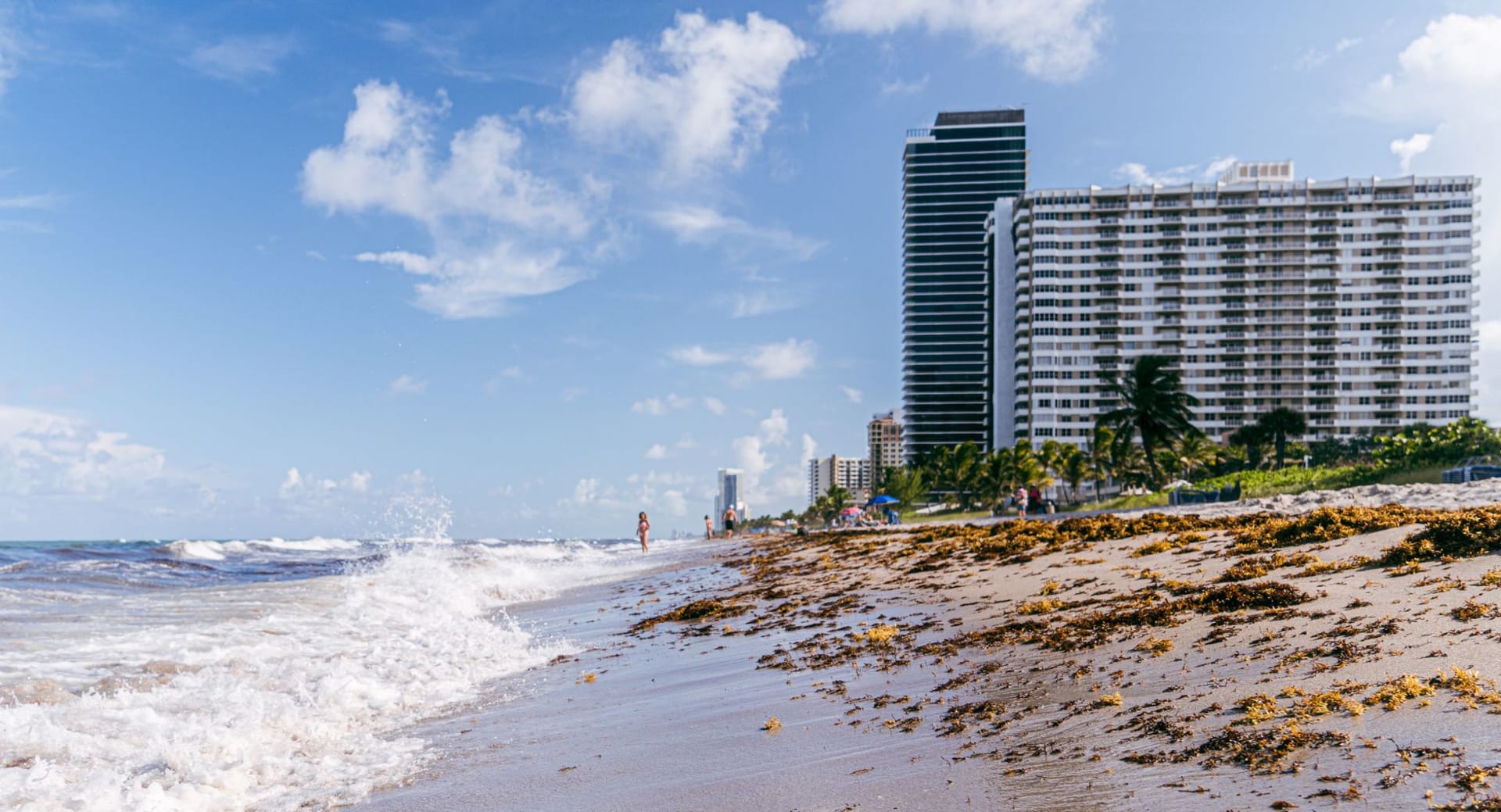
And then there is Siesta Key. The beach there is made from 99% quartz crystal — the sand stays white and cool underfoot even in direct August sun, because quartz doesn’t retain heat the way shell-based beaches do. The water is Gulf-shallow and Gulf-warm, turquoise to the horizon. In the morning before nine, with the pelicans running reconnaissance and a few early walkers and the sun just up over the mangroves behind you, it’s the kind of beach that makes you reconsider plans you thought were firm.
When to go: November through April is ideal — the beach is at its best, the arts season is in full swing, and the weather is the kind of thing that makes the rest of America jealous. Siesta Key is genuinely busy in February and March, but busy in a walking-on-the-beach way, not a stacked-umbrella resort way. Summer is hot and humid; afternoons bring reliable thunderstorms, but mornings are beautiful and the beach goes quiet enough to remind you what it’s actually for.