
Sanibel Island
"I have never seen grown adults walk a beach bent at the waist for hours, in a posture now locally named, with total seriousness, the Sanibel Stoop."
Sanibel does something most barrier islands do not: it runs east to west rather than north to south. That single geographic quirk is the whole story of the place. The island sits like a catcher’s mitt at the mouth of a broad, shallow Gulf shelf, and the currents that sweep up from the Caribbean deposit their shells onto its south-facing beaches in quantities that have to be seen to be believed. We arrived in the late afternoon, walked down to the water, and within a minute Lia had crouched to pick something up, and then did not really straighten for the rest of the day. There is a posture so universal here that islanders have named it: the Sanibel Stoop, performed by hundreds of otherwise dignified people bent double along the tideline, sifting.
The shelling
I am not, by nature, a person who collects things off beaches. By the second morning I had a pocket full of fighting conchs and lightning whelks and a single, perfect, palm-sized horse conch, and I had to have a quiet word with myself. The variety is genuinely staggering — coquinas in pastel fans, calico scallops, olives, augers, and if you are very lucky the prized junonia, a spotted rarity that earns you a photo in the local paper if you find one. There is even a shell museum on the island, which I walked into sceptically and left an hour later having learned more about molluscs than I ever intended. The rule that everyone respects, and that rangers enforce, is no live shelling — if the animal is still home, you put it back.
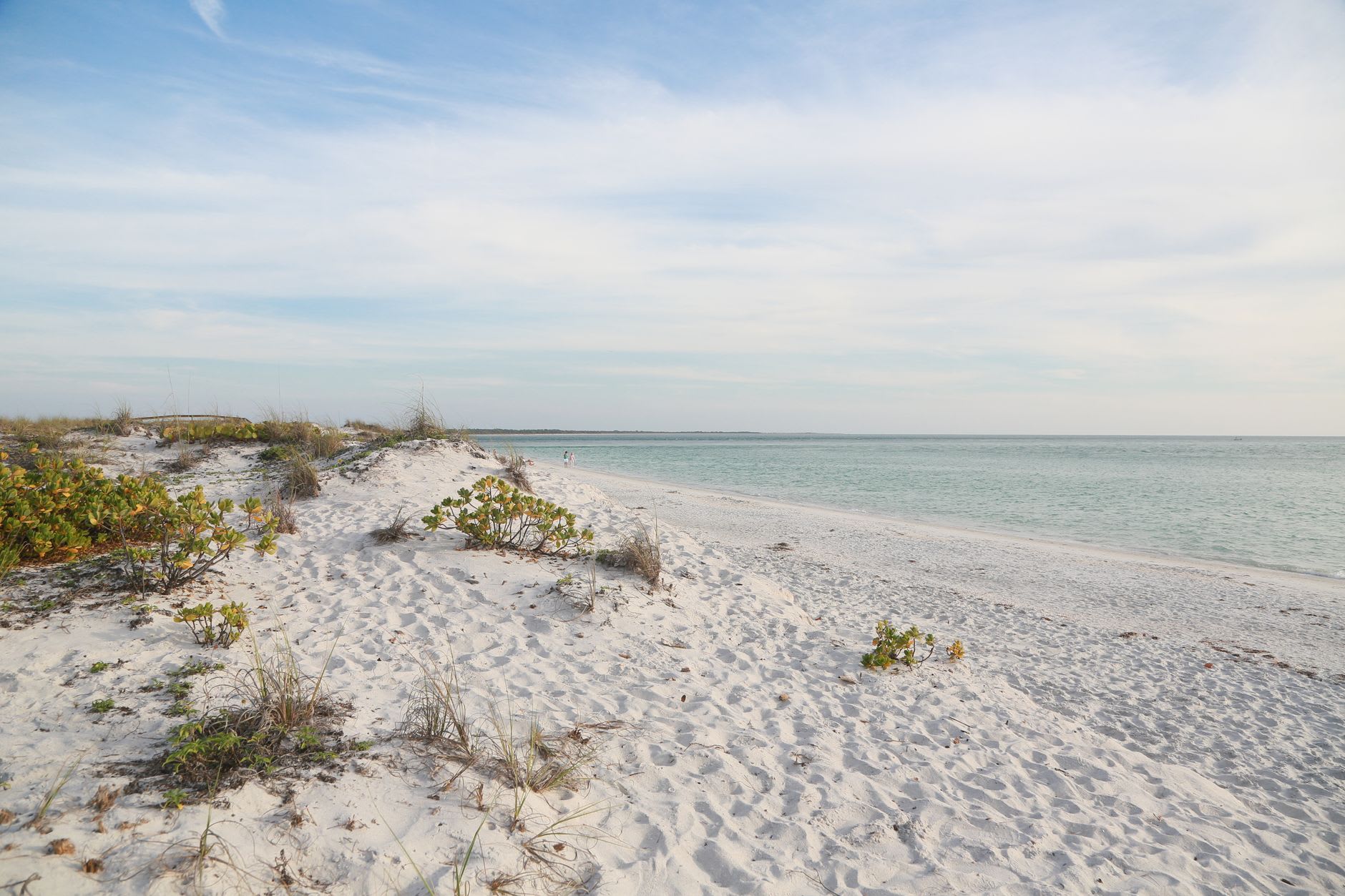
What surprised me more than the shells, though, was how undeveloped the island has stayed. Sanibel decided decades ago not to become the wall of high-rise condos that defines so much of the Florida Gulf coast. There are no traffic lights to speak of, building heights are strictly capped, and more than half the island is protected wildlife refuge. You feel it immediately — the place is low, green, and quiet, ruled by bicycles rather than cars, with a network of paved paths that we rode for hours past mangrove and freshwater sloughs.
Ding Darling
The crown of all that restraint is the J.N. “Ding” Darling National Wildlife Refuge, which covers a huge swathe of the island’s mangrove estuary. We drove and then cycled the Wildlife Drive at the turning of the tide, which is when the birds come in to feed on the exposed mudflats, and it delivered the kind of casual abundance I associate with much more remote places. Roseate spoonbills, absurd and pink and faintly comic. White pelicans. A reddish egret doing its drunken hunting dance in the shallows. An alligator lying in a channel with the stillness of a log that has opinions. We pulled over so many times that the drive took three hours.
Sanibel is not a wild frontier and does not pretend to be — there are good restaurants, an ice cream shop with a line out the door, and plenty of comfortable places to stay. But it is a barrier island that chose, against the prevailing Florida logic, to stay mostly itself. You come for the shells and the bent-over hours on the beach, and you leave having also found one of the best places in the state to simply watch birds do their patient, ridiculous work.
When to go: Shelling is best in winter, especially after a storm or a strong west wind, and at low tide regardless of season. December through April brings the driest weather and the peak of the bird migration through Ding Darling; summer is hot, humid, and far quieter.