Apalachicola
"The oysters here taste like cold water and the bottom of the sea — nothing else, nothing more."
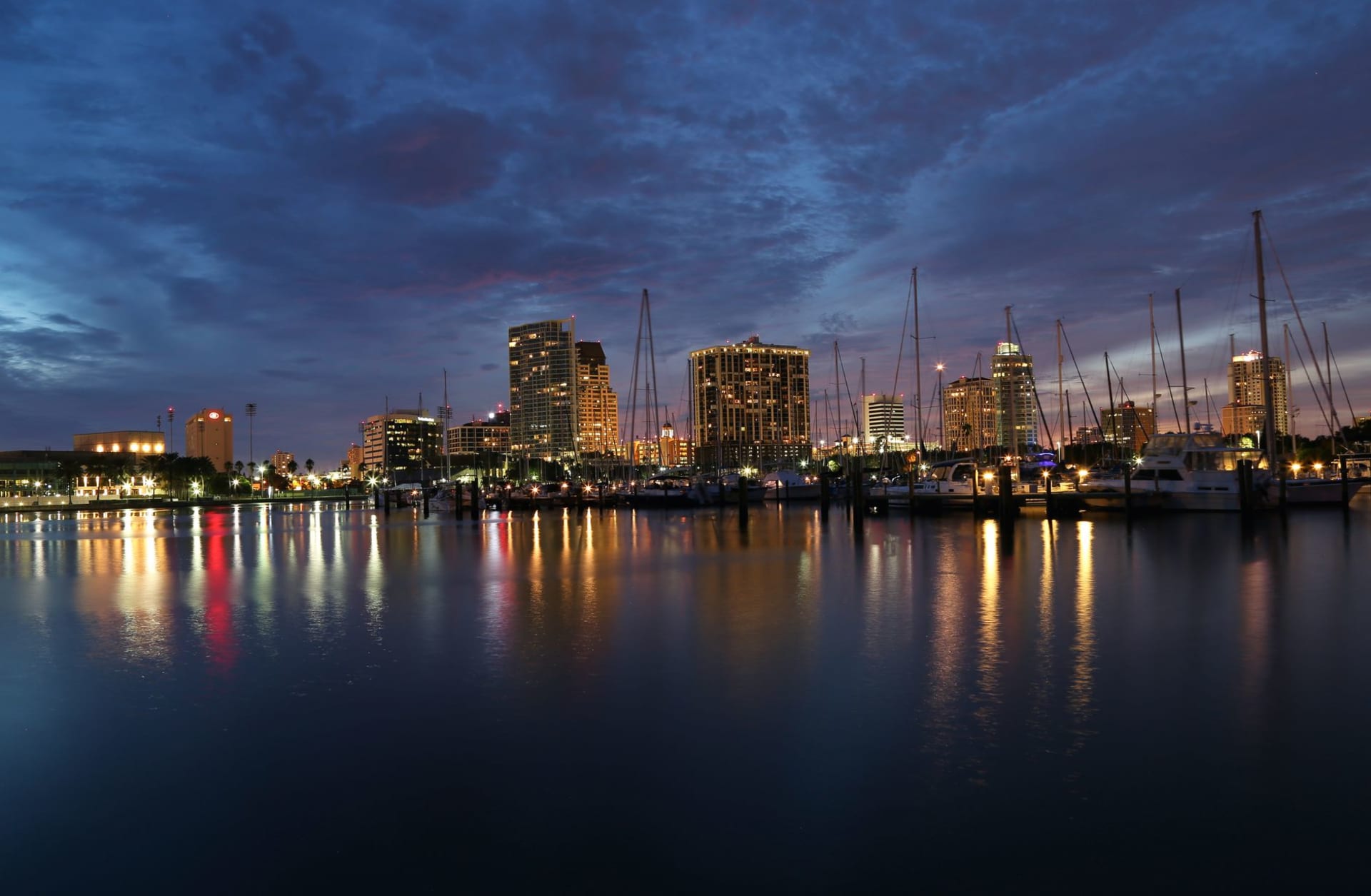
Apalachicola sits at the end of a two-lane road in the Florida panhandle, and it has the feeling of a place that geography has protected from certain kinds of change. The Apalachicola River empties into the bay here, carrying tannin-stained water from the Appalachian highlands through Georgia and into the Gulf, and that freshwater-saltwater mixing has historically produced some of the finest oysters on the East Coast. Historically — the bay has suffered from reduced freshwater flows in recent years and the oyster industry has struggled — but the town hasn’t lost its sense of itself as a working waterfront, and walking Commerce Street in the early morning when the oystermen are heading out in their flat-bottomed boats, you get a version of Florida that the tourism industry barely knows exists.

The architecture is the first thing that stops you. Apalachicola was a prosperous cotton trading port in the 1800s, and it built itself in the vernacular Victorian commercial style that usually survives only in photographs — wide porches, tin roofs, elaborate wooden cornices on buildings that now house antique shops, a hardware store, a bookshop with warped wood floors that smells of paper and ceiling fans turning slowly overhead. The Trinity Episcopal Church, built in 1838 with parts ordered from New York by steamship, still holds Sunday services. The Apalachicola National Estuarine Research Reserve has a visitor center that explains the bay ecosystem with more honesty than you’d expect from official signage.
The seafood is the point, even now. The Owl Café on Commerce Street has been feeding people since 1909 in various incarnations, and the grouper here — baked with local citrus, not fried — tastes like a specific argument for staying another night. The oyster bar across the bay in Eastpoint is rougher, louder, and serves oysters on the half shell so fresh that the brine runs down your wrist. I sat at the bar there on a Thursday afternoon and ate two dozen and drank a beer and watched a pelican on the dock railing contemplating the same water that had been the town’s entire economy for 150 years.

The barrier islands nearby — St. George Island, St. Vincent Island — offer some of the least developed Gulf Coast beaches in Florida: white-sugar sand, light-green water, and in some stretches nothing in any direction but the dunes and the Gulf and the particular silence of a beach that hasn’t been arranged for anyone’s convenience.
When to go: October through April for comfortable temperatures and the best chance of finding oysters on local menus. The Florida Seafood Festival in early November is a genuine local event rather than a tourist confection — oystermen compete in shucking and tonging contests, and the atmosphere is more barbecue tent than food festival. Summer is hot and humid and the no-see-ums near the water can be relentless, but the beaches are uncrowded and the water is warm enough for long, aimless swims.