
Wae Rebo
"I had never been anywhere that felt so deliberately apart from the world. Wae Rebo chose its mountain on purpose."
The trek to Wae Rebo begins at a trailhead called Denge, which is itself three hours by rough road from Ruteng, and the path climbs through primary forest for about four hours before the trees break and you are standing above the clouds looking down at seven conical roofs arranged in a clearing on a mountain shelf. The first sighting is the thing people mention when they talk about this place, and I understand why — it arrives without warning, your lungs still complaining about the final climb, and the visual shock of it requires a moment to absorb.
The Mbaru Niang houses are unlike anything I have seen. They are roughly cylindrical, built on a circular wooden frame, and rise through five internal stories under a steeply pitched thatched roof that starts at about two meters from the ground and tapers to a point seven or eight meters above. From the outside they look like oversized mushrooms or perhaps like something from an illustration in a book of myths. From the inside they smell of smoke and wood and the accumulated years of everything that has happened in them. The ground floor is communal living; the upper levels hold food stores and ritual objects that I was shown but not invited to photograph. I didn’t ask twice.
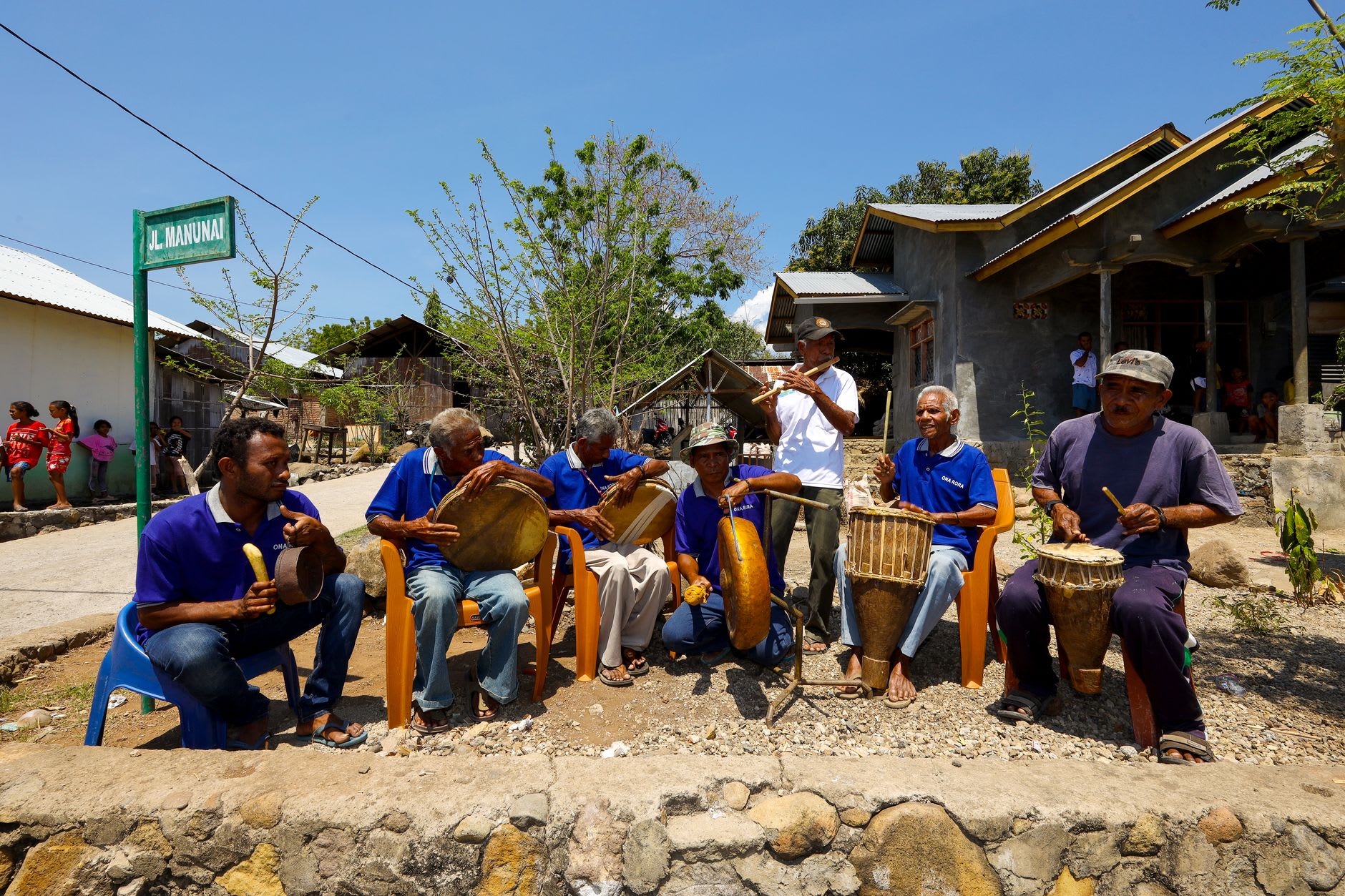
There are approximately sixty people living in Wae Rebo, members of the Manggarai clan that has been on this mountain for generations. They grow coffee — the altitude and cloud forest conditions produce an Arabica that is harvested, processed, and sold through an arrangement with an NGO, and which I bought a small bag of before leaving. They also cultivate a small number of guesthouses within the Mbaru Niang structure itself — you sleep on a mat on the communal floor alongside the other guests, and dinner is rice and vegetables and a broth that tastes of ginger and something more complex underneath.
The ceremony for receiving guests — called Penti — involves a brief ritual with a village elder who speaks words of welcome in Manggarai while holding a betel nut offering. It is not theatrical. It is not performed for the camera. It happens because it has always happened, and you participate as a guest receives courtesy, which is to say with gratitude and without making it into a spectacle. I watched the elder and felt that uncomfortable and valuable sensation of being present at something genuine.
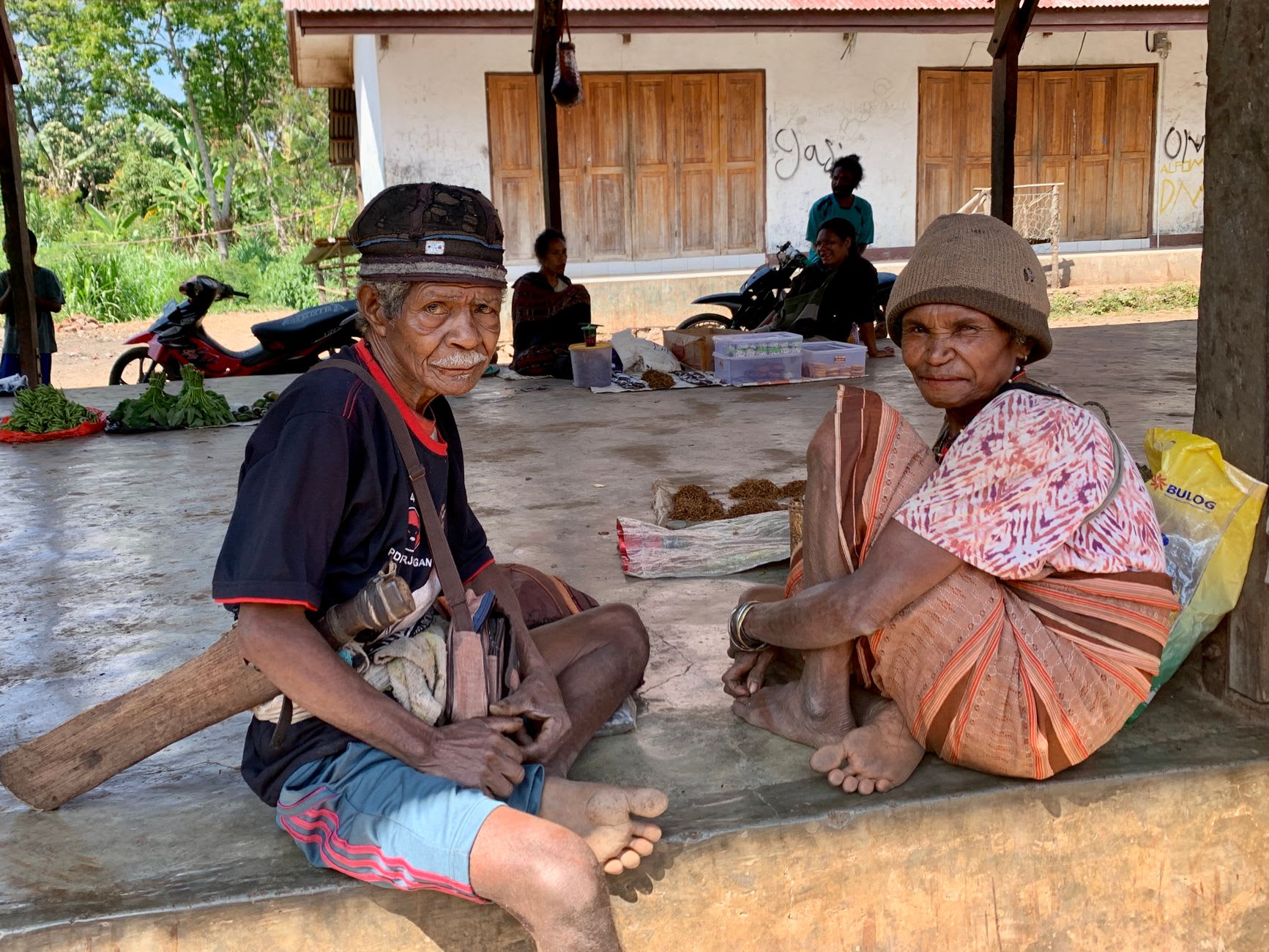
I woke before five in the morning to cold mountain air and the sound of the forest at pre-dawn — insects and the drip of water from the thatch and a bird I didn’t recognize and the breathing of the other guests around me. I walked to the edge of the clearing and looked out and the cloud was below the village, filling the valley, lit from beneath by a faint pre-dawn glow. The houses stood in the clearing above it all, solid and dark, seven points rising into the cold air. I stood there a long time without moving.
When to go: The trek is manageable year-round, but the wet season (November to March) makes the trail slippery and crossing streams more difficult. The dry months of May to October offer the cleanest conditions and the clearest views from the summit ridge. Arrive at the trailhead by seven a.m. to reach the village before midday. Stay overnight — the morning is what you came for.