
Bena Village
"The shrines in Bena are not decorative. That's the thing that takes a moment to understand."
Bena is twelve kilometers from Bajawa, on the southern slopes of Mount Inerie, and you reach it on a road that climbs through coffee and clove plantations before arriving at a car park where a school group from Ende was eating lunch in the shade of a breadfruit tree. The village itself begins past a small entrance gate where a young woman collected a fee that went, she explained without being asked, directly to the village council. This directness set the tone for the visit.
The first thing you notice walking in is the density of the ancestral structures. Bena is not preserved or reconstructed — it is inhabited and maintained by the Ngada families whose ancestors founded it, and the main courtyard between the two rows of houses holds a forest of ritual objects: umbrella-topped wooden posts called ngadhu that represent male ancestral spirits, and thatched miniature houses called bhaga that represent female ancestors. They stand in the grass between the living houses, worn smooth by rain and handling, given offerings of betel nut and small arrangements of leaf and flower that someone has placed there recently. This is not for the tourists. Or rather, the tourists are peripheral to it.
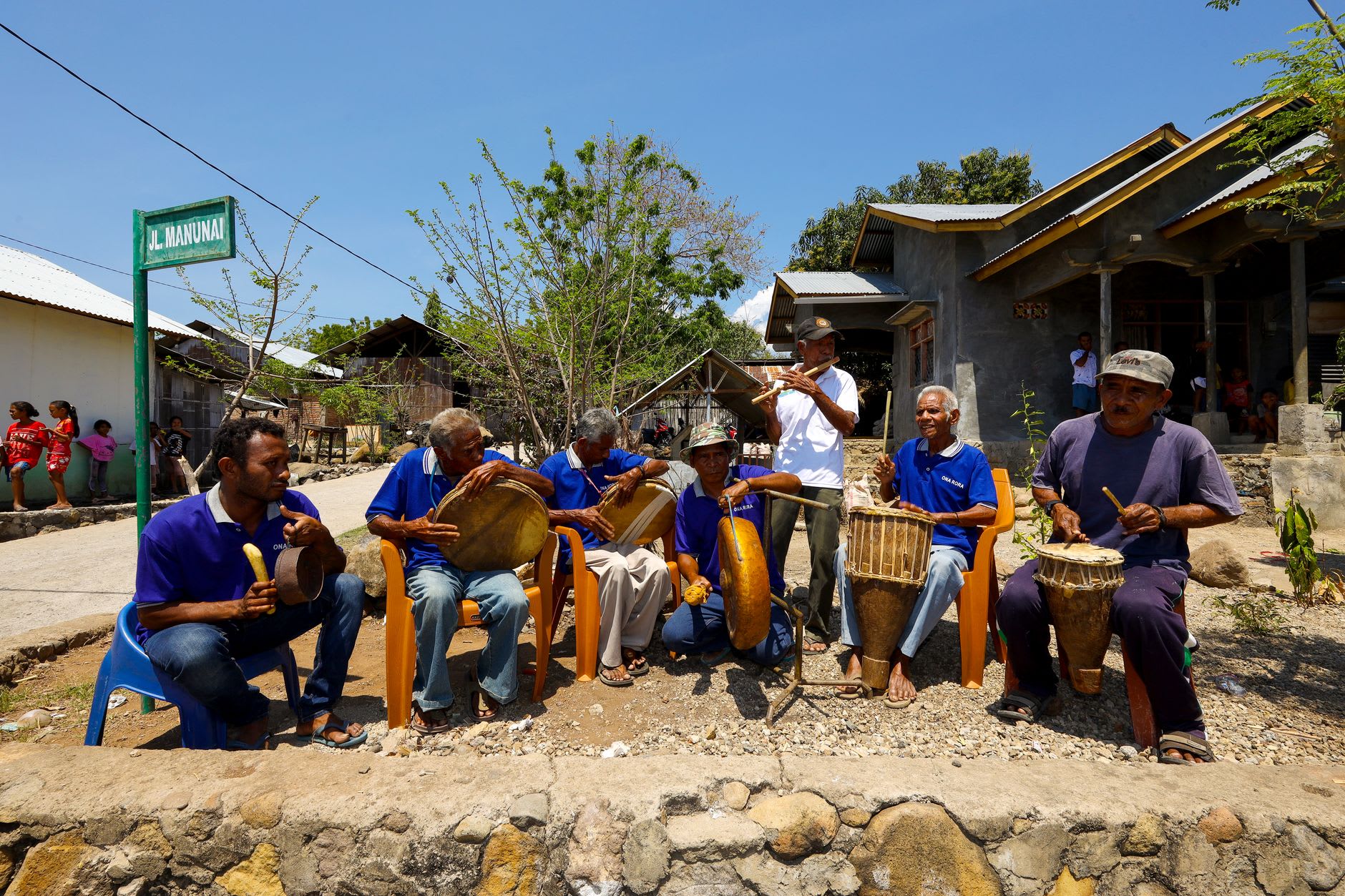
I was shown through part of the village by an elderly man named Martinus — a common name in Catholic Flores — who had spent his life in Bena and spoke a precise, careful Indonesian that suggested long practice at explaining things to strangers. He pointed to the ngadhu posts and said that each one corresponds to a particular clan line. When a new ngadhu is erected, it requires a buffalo sacrifice. The last one was six years ago, he said, for the post at the north end of the courtyard. The wood is still relatively light compared to the others. I looked at it and thought about what continuity actually means when it requires blood and ceremony to maintain.
The houses themselves are built on raised platforms, with low doorways and thatched roofs that rise steeply to a peak. Inside they are cool and dark, smelling of smoke and dried palm sugar and the sweet dusty smell of old thatch. Families live here year-round, not in them for show. Chickens moved freely between the doorways. A baby in a cloth sling watched me with the absolute candor of very young children from the arms of a woman who smiled and went about her business.
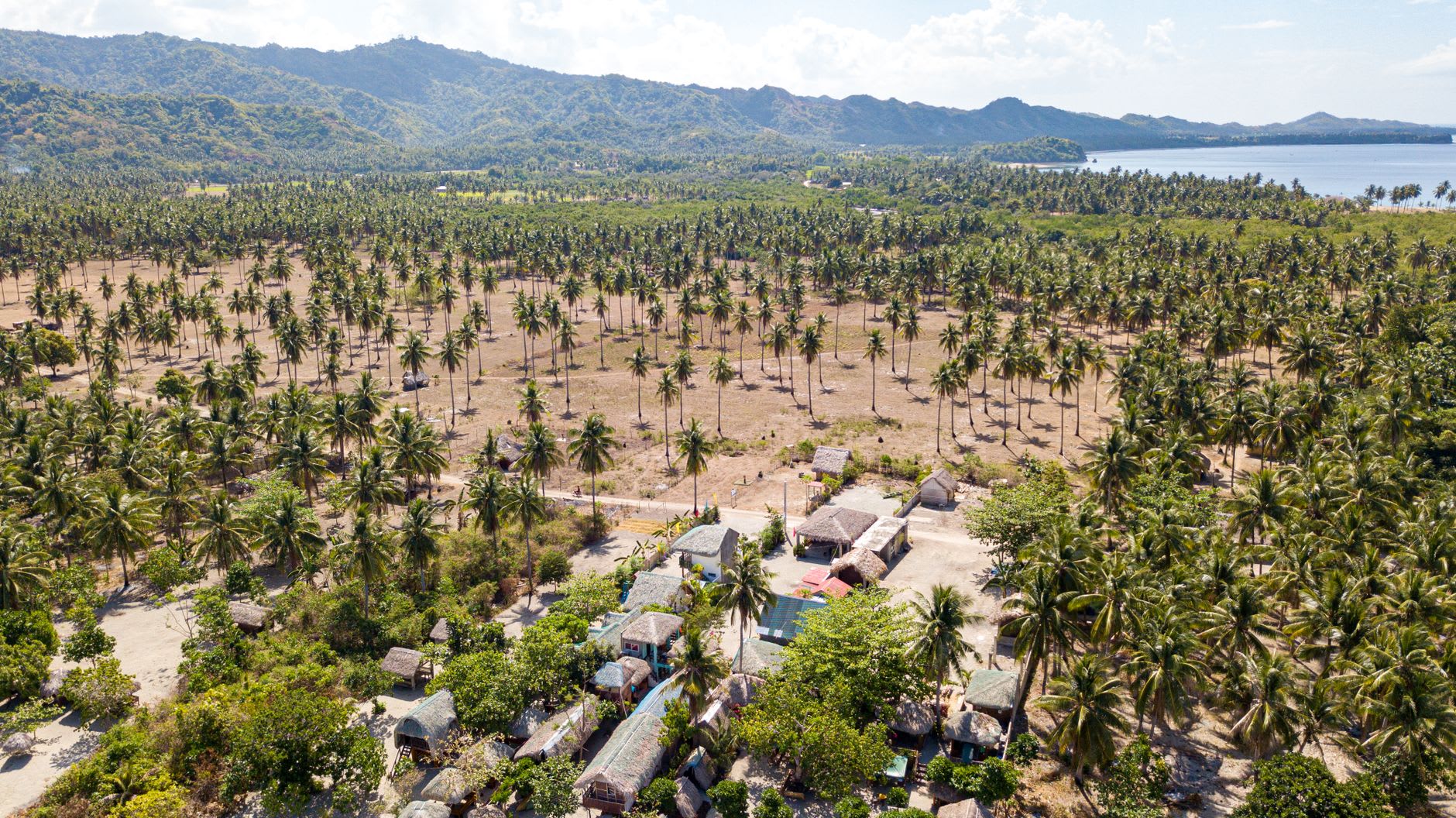
Women in Bena produce ikat textiles in a style particular to the Ngada — dark backgrounds with geometric forms in rust and cream that represent clan symbols. I watched one woman working at a backstrap loom in the shade of her doorway, the rhythm of her work completely absorbed, the pattern building line by line. The textiles are sold in the village but the prices are not tourist-fantasy prices — they are the prices of something that took weeks to make by someone who calculates their time honestly.
The view south from the village edge, over the rooftops and across the volcanic valley, carries all the way to the coast on clear days. I stood there for a while and tried to hold the view and the shrines and the sound of weaving and the smell of smoke in some kind of simultaneous understanding. I mostly just ended up standing there.
When to go: Bena is accessible year-round, though the road is easier in dry season. The village is quietest on weekday mornings — tour groups tend to arrive by late morning. Try to arrive by eight or nine before the midday heat and the crowds. Respect the ancestral areas; some sections are not for public access and the community will tell you clearly.