Suomenlinna
"Some islands you visit for the beaches. Suomenlinna, you visit for the walls."
A sea fortress spread across six islands guarding Helsinki's harbor, where cannons, tunnels, and quiet lanes still hold centuries of history.
The ferry from Helsinki’s Market Square takes exactly fifteen minutes, and I remember standing at the rail with Lia watching the city shrink behind us, wondering why we’d waited until our third day in Finland to make the crossing. We’d been told it was “just an old fort,” which is a bit like calling the Louvre “an old palace.” Suomenlinna isn’t one fortress but six islands stitched together by bridges and causeways, and Augustin Ehrensvärd started building it in 1748 when Sweden needed a wall against Russian expansion. Walking off the ferry and up into the bastions, you feel that original urgency in the stone — this was never decorative.
What surprised me most was that people actually live here. About 800 residents call Suomenlinna home year-round, and we kept passing laundry lines strung between 18th-century ramparts, kids on bikes weaving around cannon emplacements like it was the most normal thing in the world. Lia pointed out a woman carrying groceries through a tunnel that used to move soldiers and gunpowder, and I think that contrast — daily life layered over centuries of defense — is what makes Suomenlinna feel different from every other fortress we’ve toured in Europe.
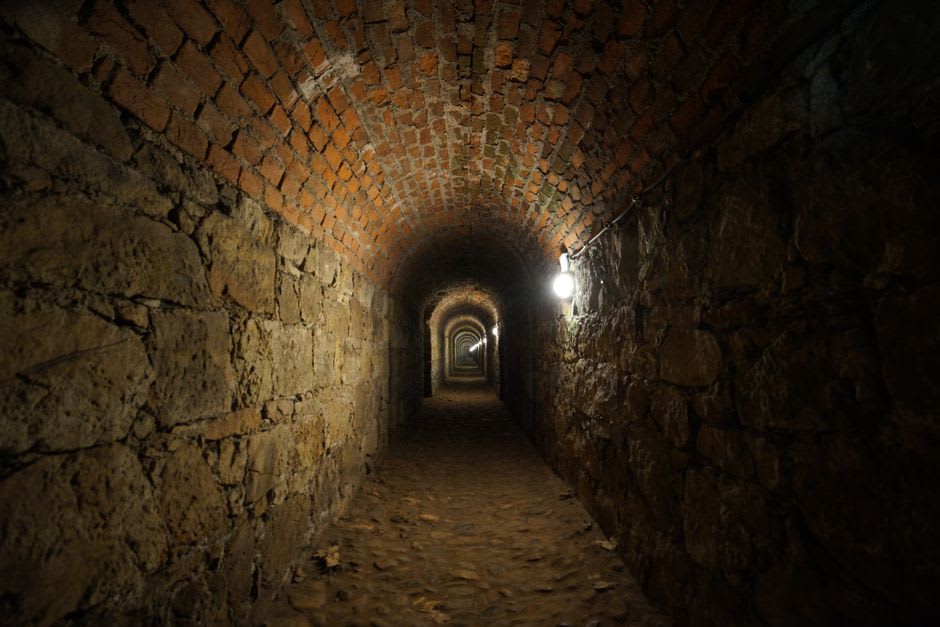
We spent a whole afternoon just tracing the bastions on foot, the Baltic wind cutting sideways off the water, and it was easy to see why UNESCO named this a World Heritage Site in 1991 — it’s one of the largest sea fortresses still standing anywhere in the world. Down near the shore we found the dry dock, and I hadn’t expected it to still be working; there was an actual ship under repair in it the day we visited, scaffolding and all, a reminder that this place never fully retired into museum status. Later, Suomenlinna passed from Swedish to Russian hands and eventually became Finnish, and the museums scattered across the islands trace that whole tangled ownership if you’re patient enough to read the panels.
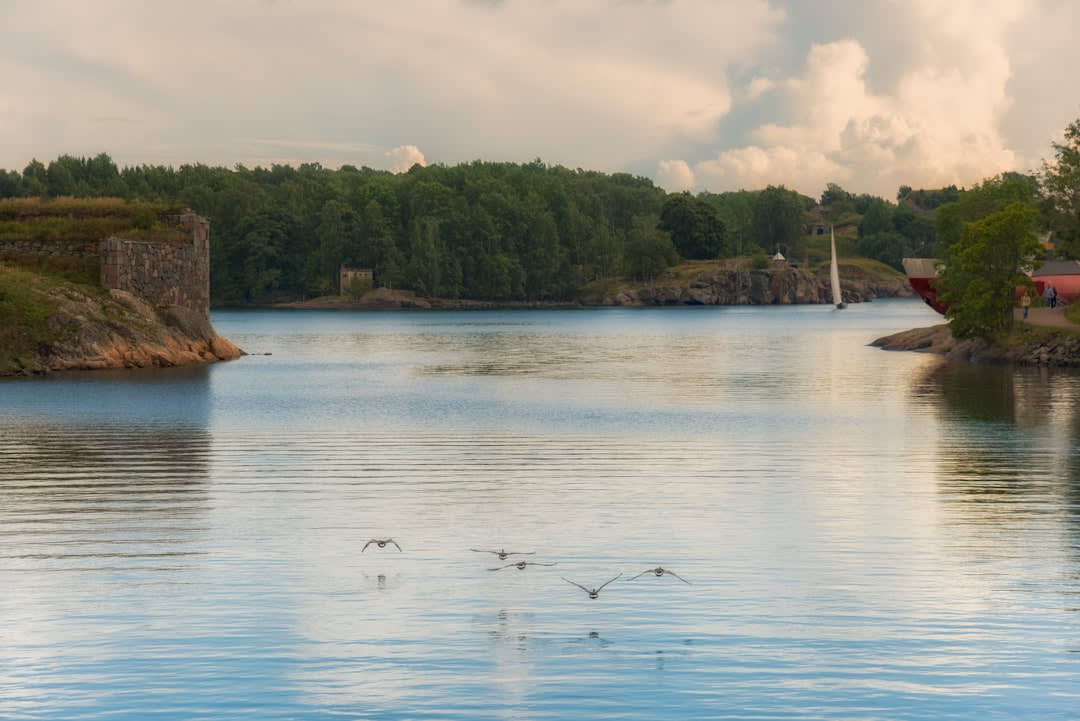
By the time we caught the last ferry back, the light was doing that long, low Nordic thing where sunset seems to last two hours, and the fortress walls turned a soft gold behind us. Lia said it felt less like sightseeing and more like walking through someone’s actual life story, stretched across three centuries and six islands.
When to go: Aim for May through September, when the museums are open and the ramparts are dry and pleasant for the long walk you’ll inevitably want to take.
Keep exploring
More from Finland
 finland
 Tampere
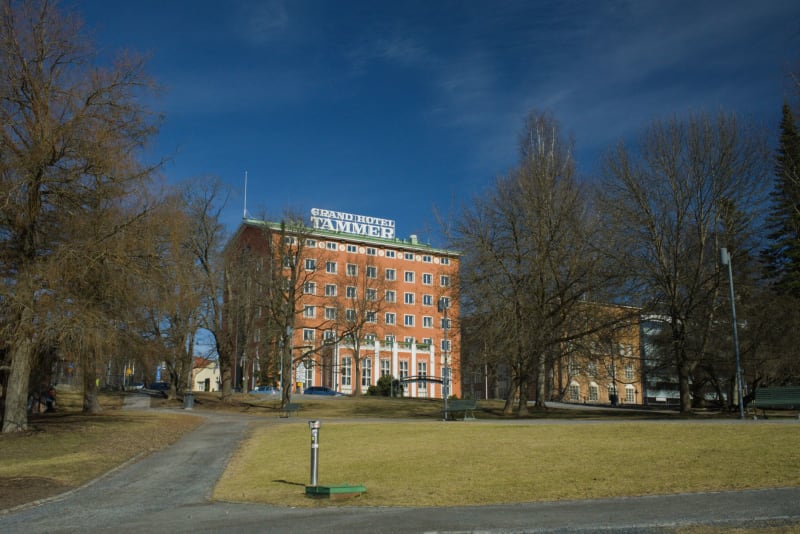
Finland's most livable city, built between two lakes on churning rapids — and after an afternoon in a wood-fired sauna eating black sausage, you believe every word of it.
Explore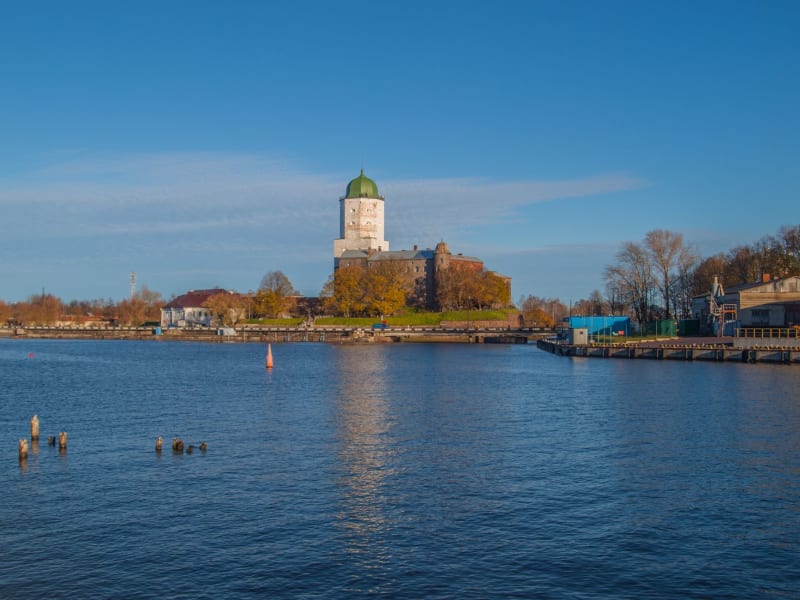 finland
 Turku
Finland's oldest city wears its history lightly, its medieval castle rising over a river that has been busy for eight centuries.
Explore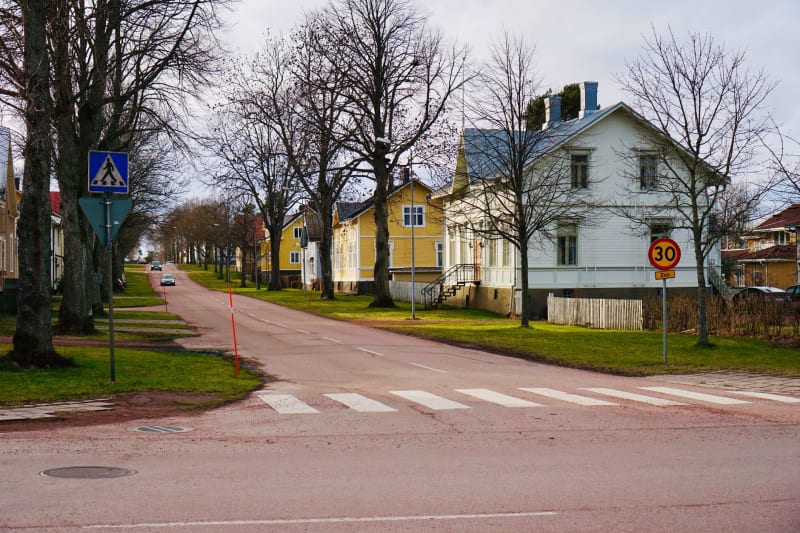 finland
 Åland Islands
An autonomous Swedish-speaking archipelago between Finland and Sweden that operates by its own rules, its own flag, and its own deeply unhurried clock.
Explore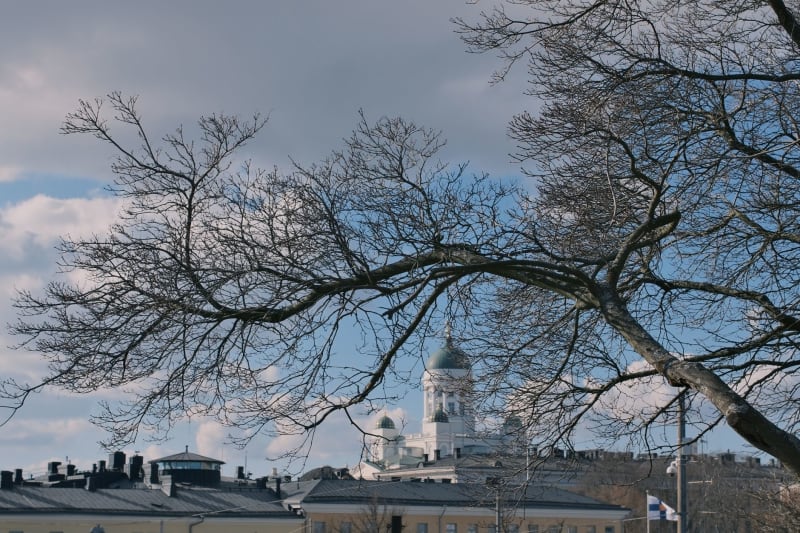 finland
 Helsinki
A harbour city that runs on coffee, cold air, and a quiet self-assurance that has nothing to prove to anyone.
Explore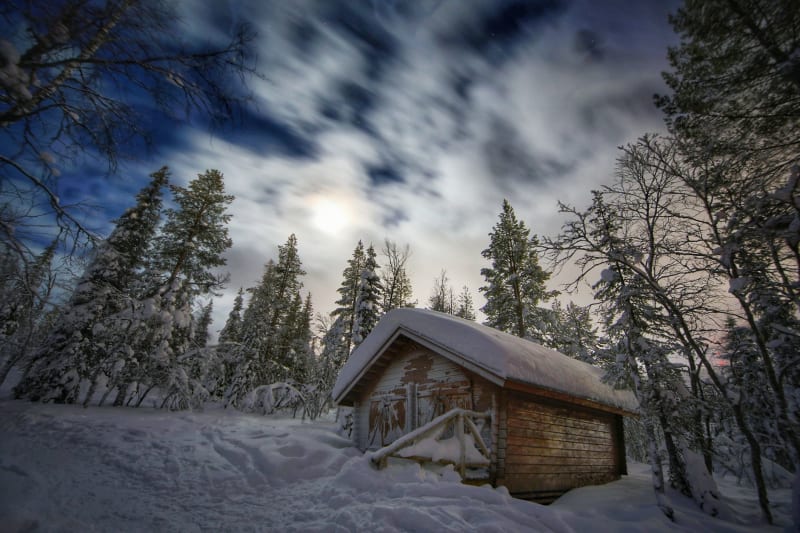 finland
 Inari
A small village at the edge of a vast frozen lake in the Sámi heartland, where indigenous culture and boreal wilderness exist in a relationship that has nothing to do with tourism.
Explore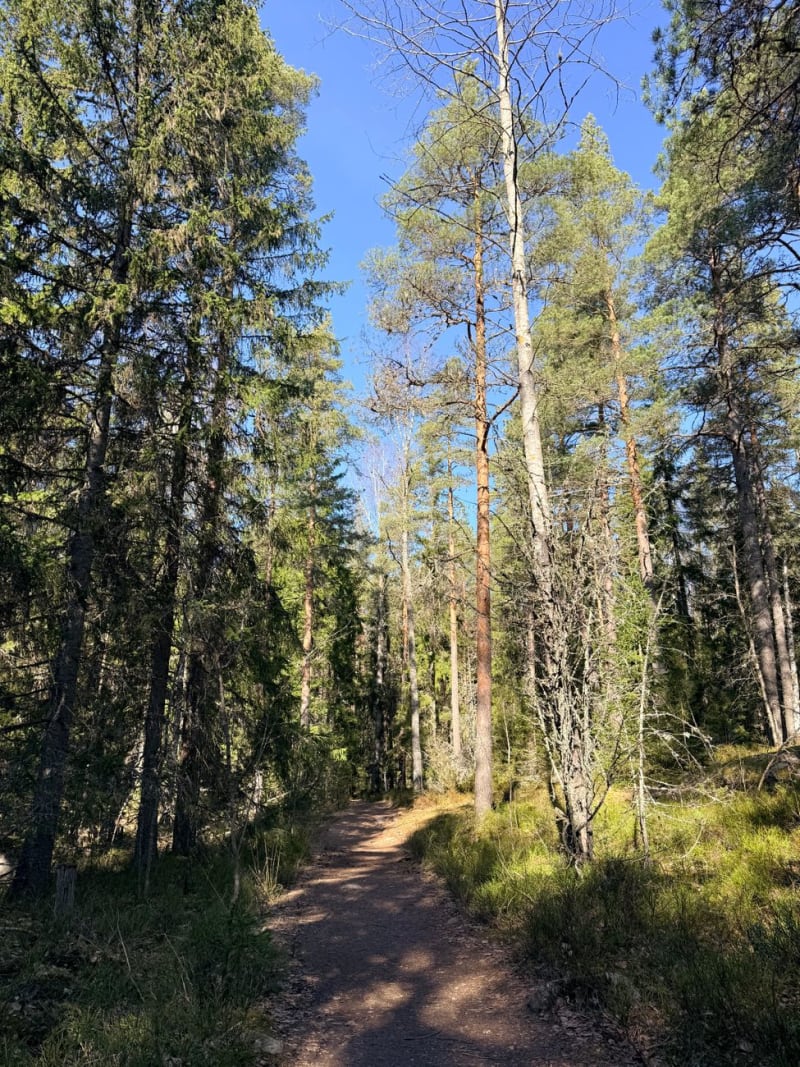 finland
 Koli National Park
The quartzite hills whose view over a lake studded with forested islands became the defining image of Finnish national romanticism, painted, composed and quietly worshipped for over a century.
Explore