
Tampere
"Tampere is what happens when a city stops trying to be a capital and just becomes itself."
Finland's most livable city, built between two lakes on churning rapids — and after an afternoon in a wood-fired sauna eating black sausage, you believe every word of it.

Tampere announced itself from the train as a city of red brick and water. The mills along the Tammerkoski rapids — the narrow channel of churning dark water that runs between the two lakes forming Tampere’s backbone — were built to harness exactly that water for textile manufacturing in the 1800s, and many of them still stand, converted now into museums, restaurants, art spaces, and the kind of creative industry that tends to follow old industrial bones when a city has the sense to let it. I got off the train with no particular plan, walked toward the sound of water, and found a city that was immediately, unpretentiously likeable.
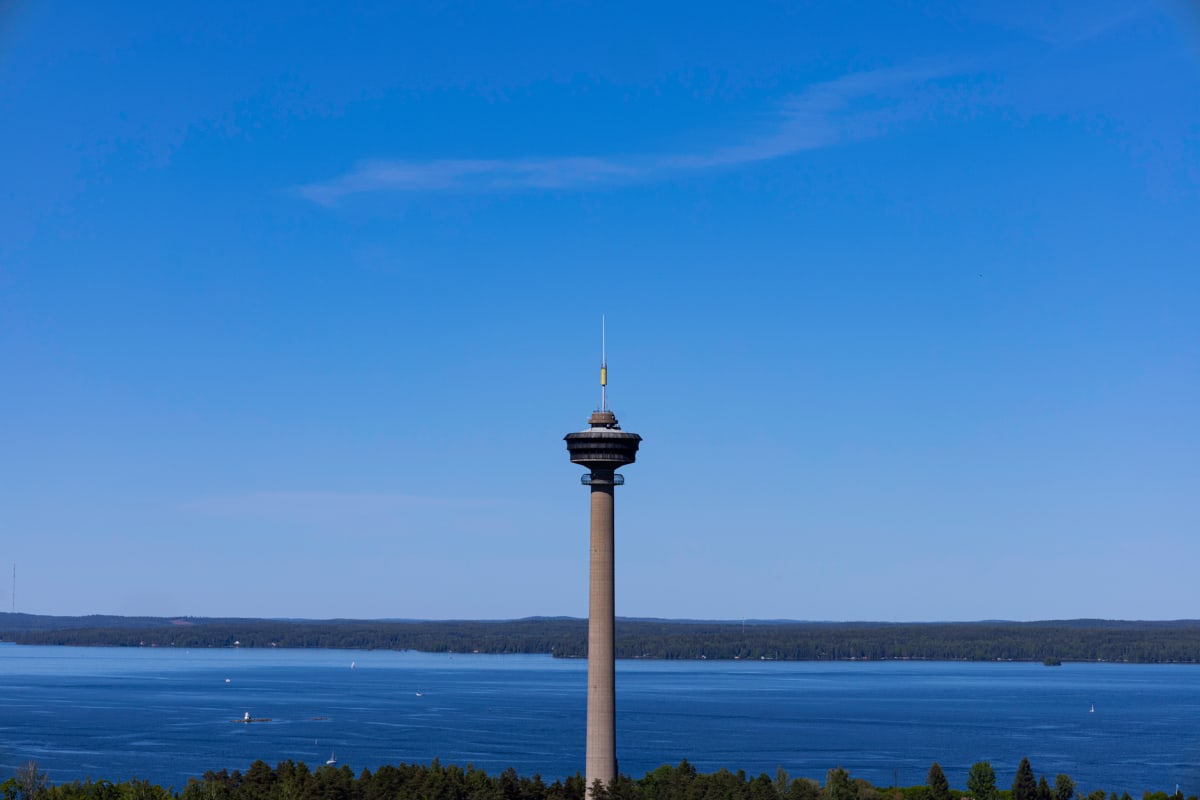
The two lakes — Näsijärvi to the north and Pyhäjärvi to the south — mean that Tampere is never more than about a kilometer from open water, which shapes the city’s character in ways that feel almost Mediterranean if you squint: everything orients toward the shore, and in winter the frozen lakes extend the city’s visual reach dramatically, turning urban views into something vast and pale.
Musta makkara — black sausage — is the thing to eat in Tampere, and I say this as someone who arrived skeptical of the concept. It’s sold at the Tampere Market Hall, which is a proper covered market with wooden stalls and high ceilings and the low noise of commerce conducted without urgency. The sausage itself is dark, slightly coarse, made with blood and rye flour, and eaten with lingonberry jam and hot mustard. It tastes of iron and smoke and is genuinely delicious in a way that a description of its ingredients does not prepare you for.
I went to the Rajaportti sauna, the oldest public sauna still operating in Finland — open since 1906, heated with wood, sitting in a residential neighbourhood that doesn’t look like a tourist destination because it isn’t one. You pay, you take a towel, you sit in the dark heat with strangers who ignore you completely, which is Finnish sauna etiquette at its purest. The birch smell was dense and almost overwhelming at first and then simply became the air I was breathing. I went in twice, each time following a group of older men who moved between the heat and the cooling water with the calm routine of people who have been doing this for decades, which they probably have.
Tampere also has a museum dedicated entirely to Lenin, which I mention not because it’s significant but because it’s the kind of detail that makes a city interesting. He stayed here twice in 1905 and 1906, and the city has maintained the meeting room where he encountered Stalin for the first time. There’s a Lenin mug available in the gift shop. I bought one.
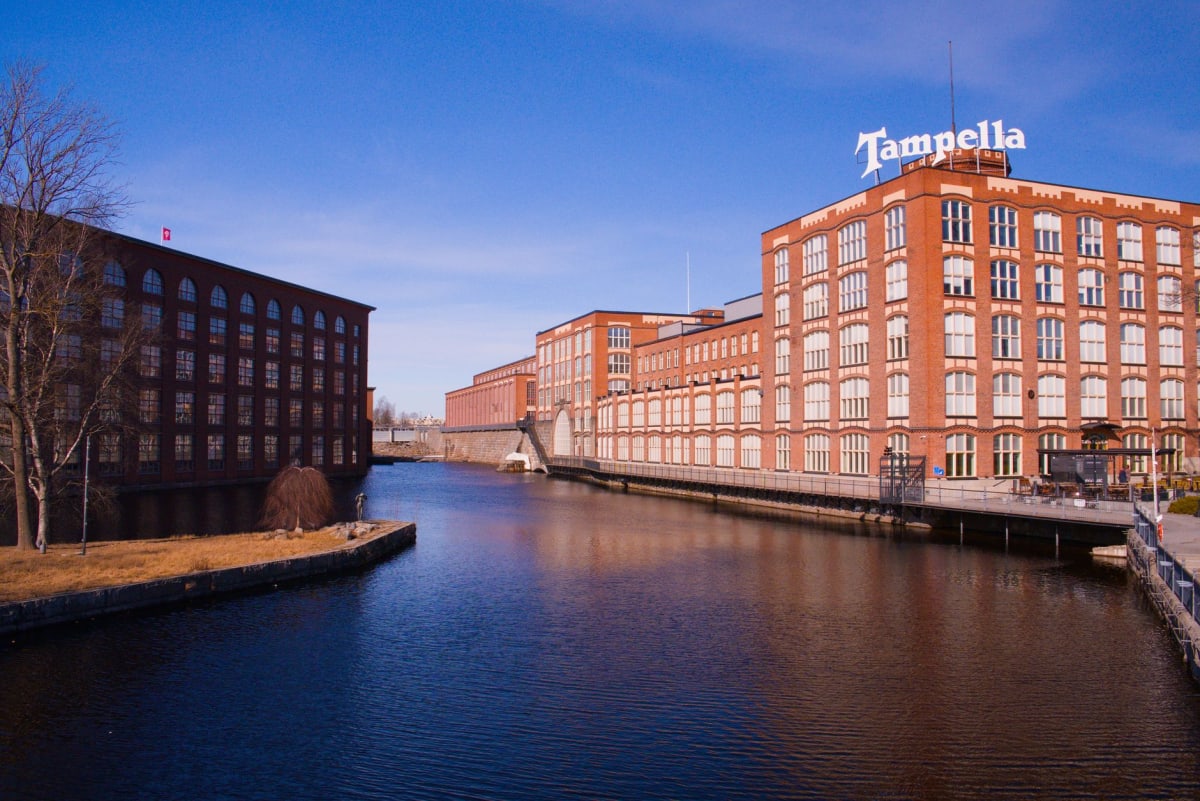
The restaurant culture has been evolving quietly for years, centered around the Kehräsaari island on the rapids and the increasingly interesting eating around the market halls. But the most satisfying meal I had was simpler: rye bread from a bakery near the train station, eaten standing up with a cup of filter coffee while watching the rapids run through the mill channel below me. It was minus eight, and I was perfectly comfortable, which I noted as evidence that Finland was doing something to me.
When to go: Year-round, honestly. Summer from June through August for lake swimming and outdoor terraces. Winter for the full sauna ritual, when the contrast between the steam room heat and stepping outside into minus temperatures is most complete and most Finnish.
Keep exploring
More from Finland
 finland
Turku
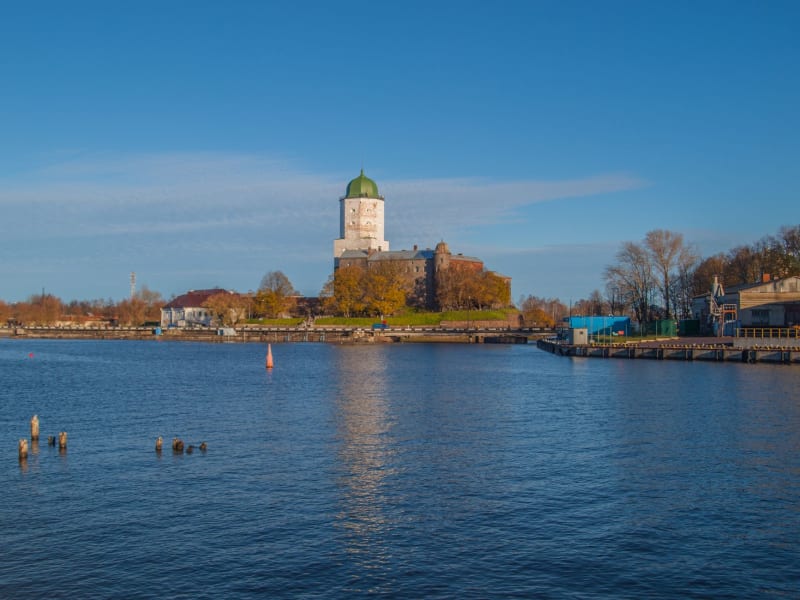
Finland's oldest city wears its history lightly, its medieval castle rising over a river that has been busy for eight centuries.
Explore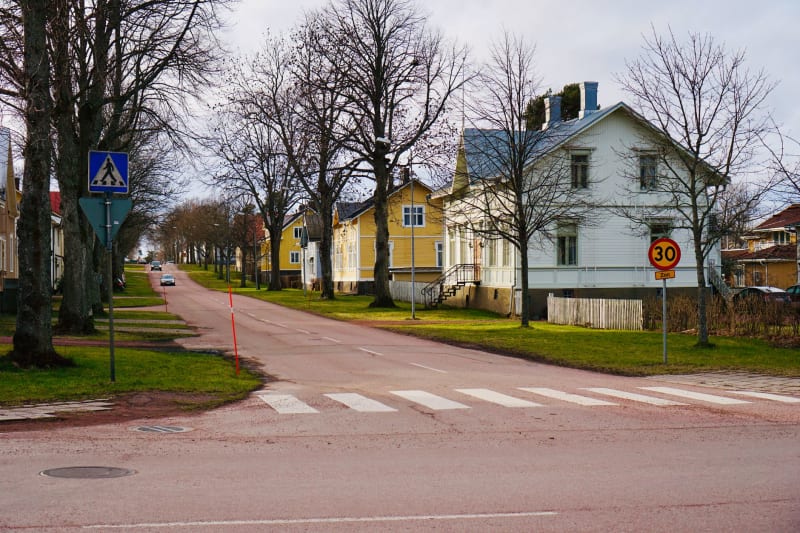 finland
Åland Islands
An autonomous Swedish-speaking archipelago between Finland and Sweden that operates by its own rules, its own flag, and its own deeply unhurried clock.
Explore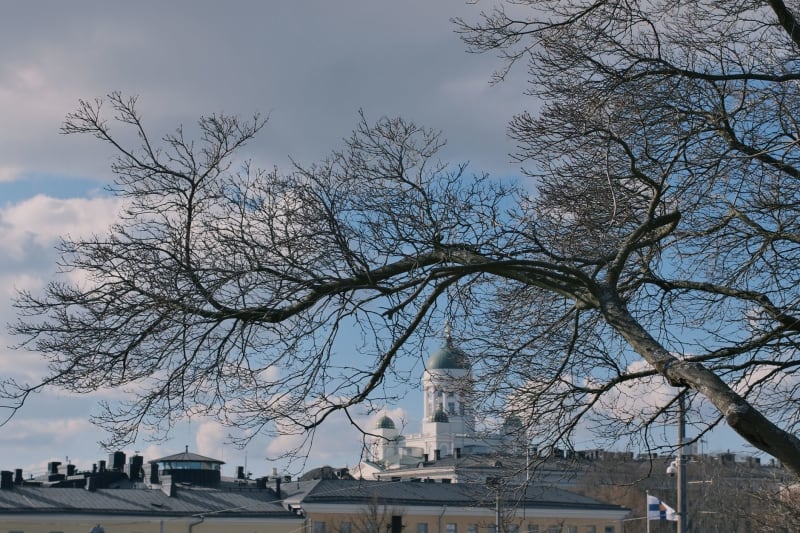 finland
Helsinki
A harbour city that runs on coffee, cold air, and a quiet self-assurance that has nothing to prove to anyone.
Explore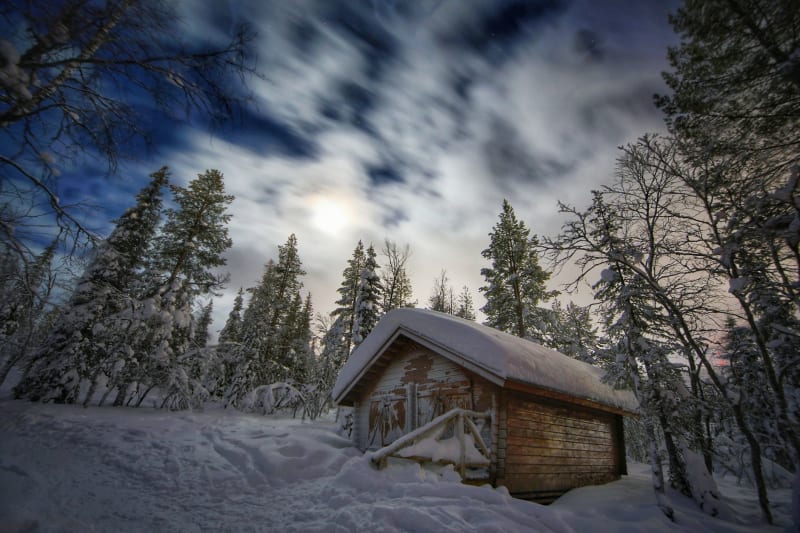 finland
Inari
A small village at the edge of a vast frozen lake in the Sámi heartland, where indigenous culture and boreal wilderness exist in a relationship that has nothing to do with tourism.
Explore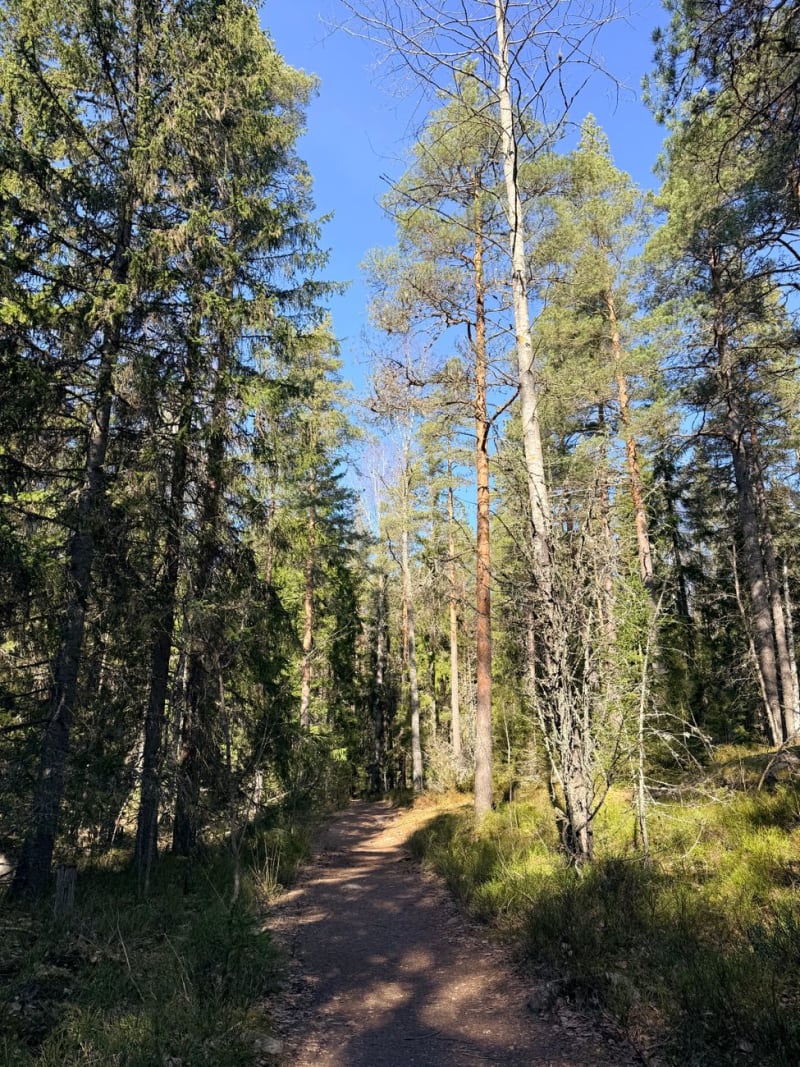 finland
Koli National Park
The quartzite hills whose view over a lake studded with forested islands became the defining image of Finnish national romanticism, painted, composed and quietly worshipped for over a century.
Explore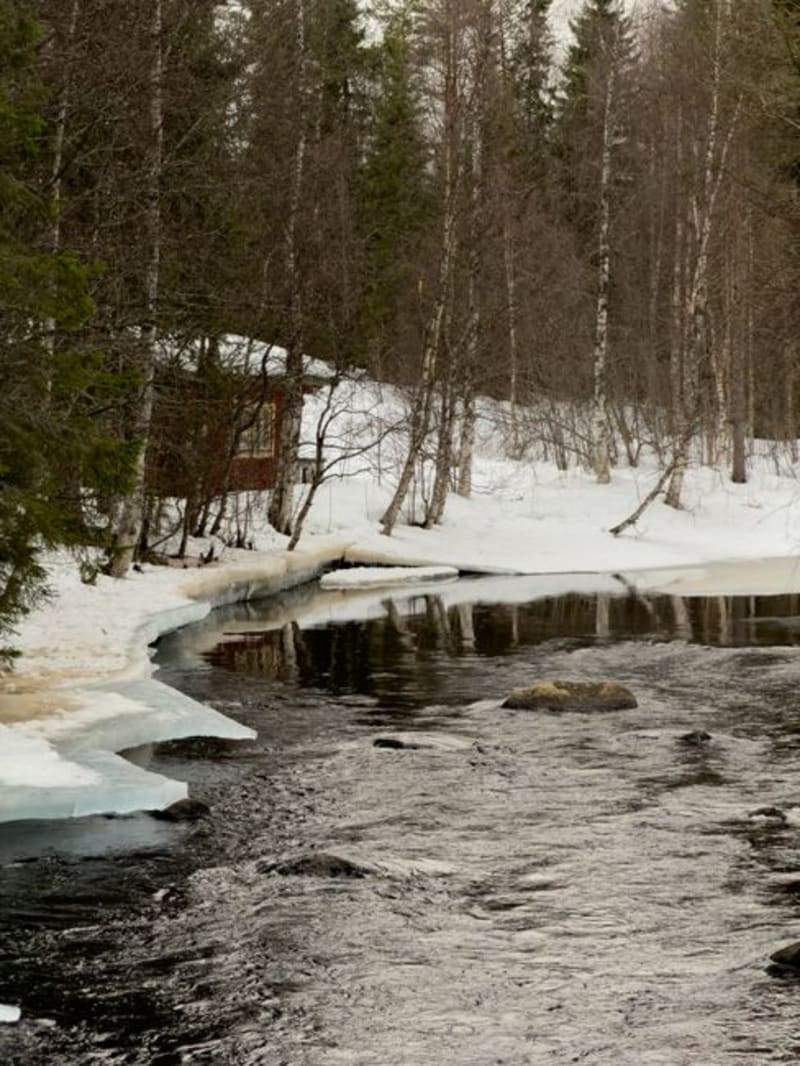 finland
Lemmenjoki National Park
Finland's largest wilderness, reached only by river boat or foot, where old gold panners still work the streams beneath golden eagles.
Explore