Waisalima
"The reef started so close to shore I could snorkel it before my coffee had gone cold."
A backpacker-friendly dive beach on Kadavu's south coast where the reef starts a few strokes from shore and the evenings are spent playing cards by lamplight.
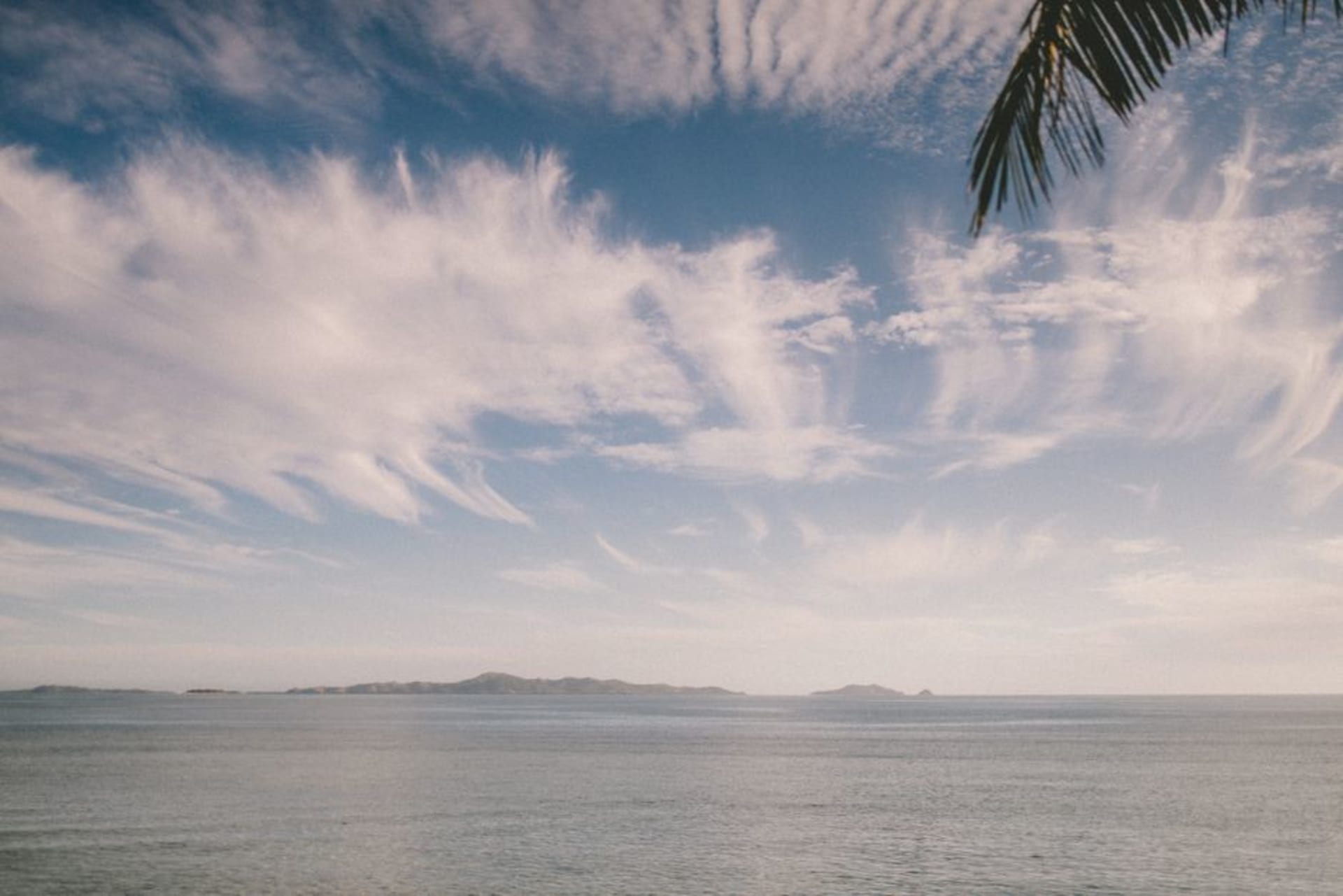
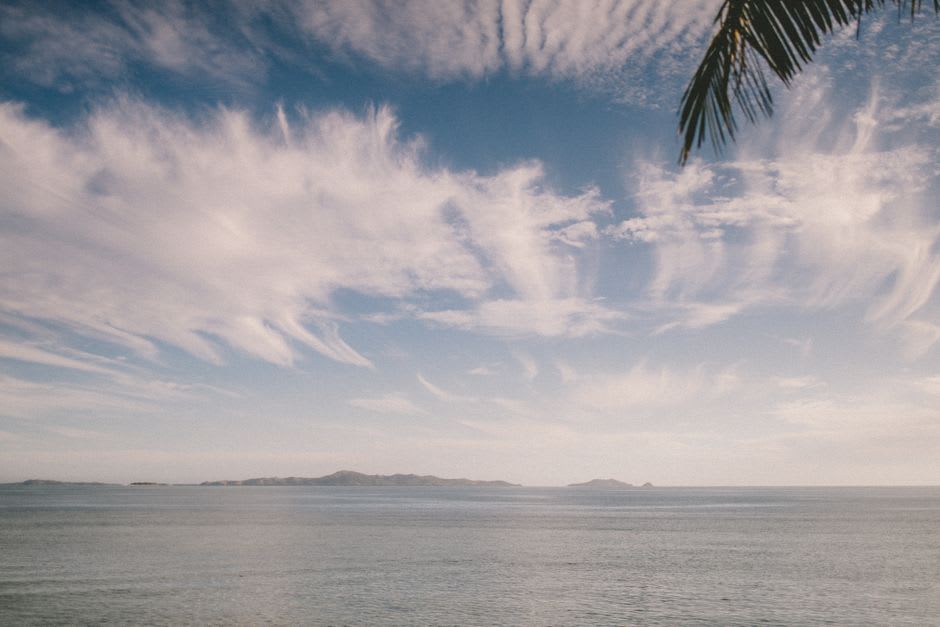
Waisalima sits on Kadavu’s exposed southern coast, a curve of white sand backed by coconut palms and a scatter of simple bures that make up one of the more affordable places to base yourself for diving the Great Astrolabe Reef. It has a reputation, deserved, as the budget option for travelers who want serious diving without the price tag of the more polished eco-lodges elsewhere on the island, and the crowd it attracts reflects that — mostly younger divers, a few researchers passing through, one Australian couple who’d been there for three weeks and had clearly stopped counting days.
What sold me on Waisalima before I’d even unpacked was how close the reef sits to the beach. Most dive destinations require a boat ride of at least twenty minutes to reach anything worth seeing; here I walked into the water after breakfast, snorkel mask still fogged, and was over living coral within fifty meters, watching a school of convict tang graze the shallows while a blacktip reef shark cruised the sandy channel just beyond them, entirely uninterested in my presence.
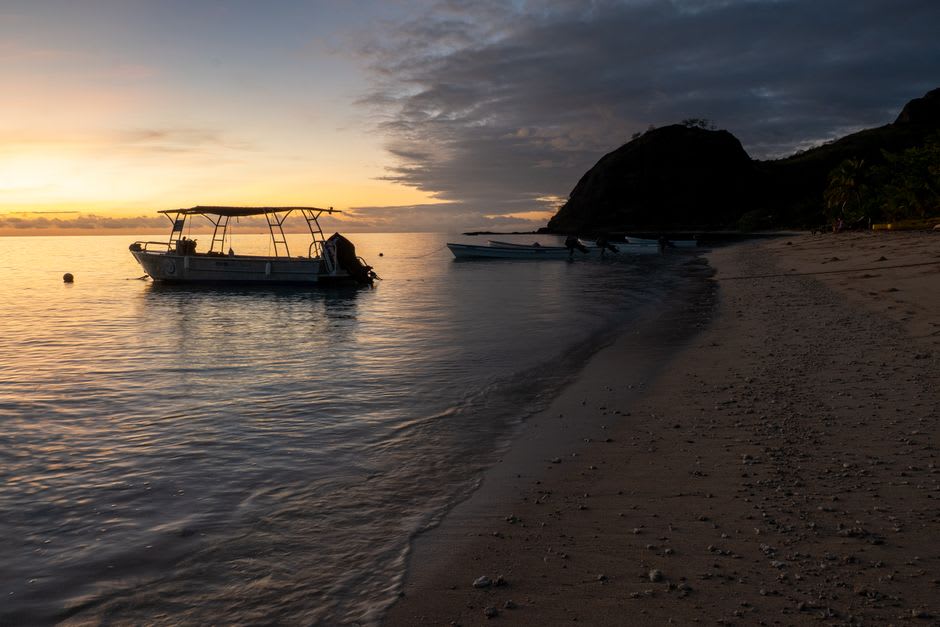
The dive operation based here runs boats out to the outer reef sites daily, and I did three dives over two days with a small, relaxed group — a wall dive with an enormous resident hawksbill turtle that the divemaster clearly knew on a first-name basis, and a shallower reef dive thick with anemones and their resident clownfish in numbers I hadn’t seen concentrated so densely anywhere else on Kadavu. Evenings at Waisalima have a communal, low-key rhythm: dinner served at long tables, a generator that runs until nine or so before the lights go off and the lanterns come out, and card games that stretched later than I intended more than once, fueled by kava the owner’s family brought out most nights without much ceremony.
The village nearby, a short walk along the coast, was welcoming in the unhurried way I’d started to expect from Kadavu generally — kids ran out to high-five us on the path, a woman selling woven mats from her front porch talked us through the whole process of preparing the pandanus leaves before we’d even asked, and nobody seemed to be selling anything with much urgency. It’s the kind of place where a day can disappear between a morning dive, an afternoon nap in a hammock, and an evening of cards, and you notice at the end of it that you haven’t checked your phone once.
When to go: May through October for the calmest boat conditions and best water clarity on the outer sites. The shore snorkeling is good year-round since it doesn’t depend on a boat crossing. Bring cash — there’s no way to pay by card this far from anywhere.
Keep exploring
More from Fiji
 fiji
fiji Waitavala Water Slides
A natural rock waterslide on Taveuni where the local kids' favourite afternoon activity happens to be free, spectacular, and open to anyone brave enough to sit down.
Explore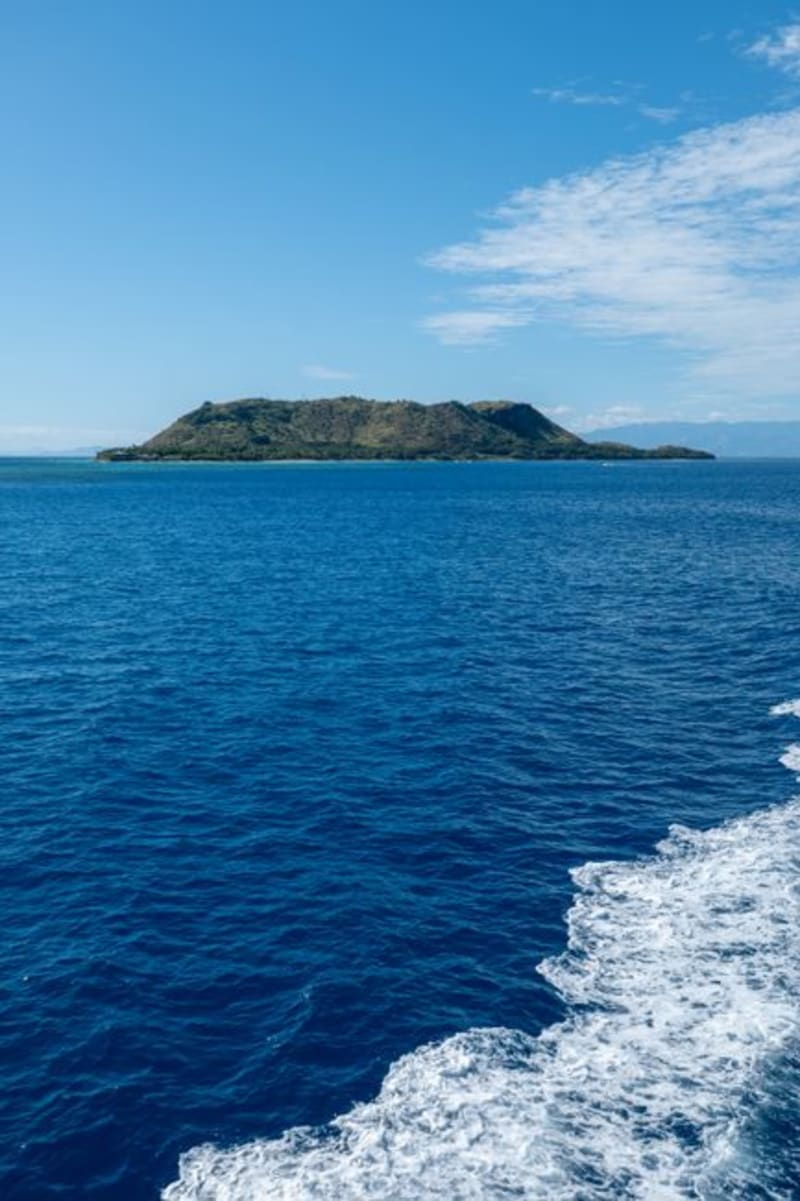 fiji
fiji Wakaya Island
A privately owned island in the Lomaiviti group with a single ultra-exclusive resort, deer roaming the bush, and a history of celebrity hideaways that sits oddly against its own quiet, undeveloped interior.
Explore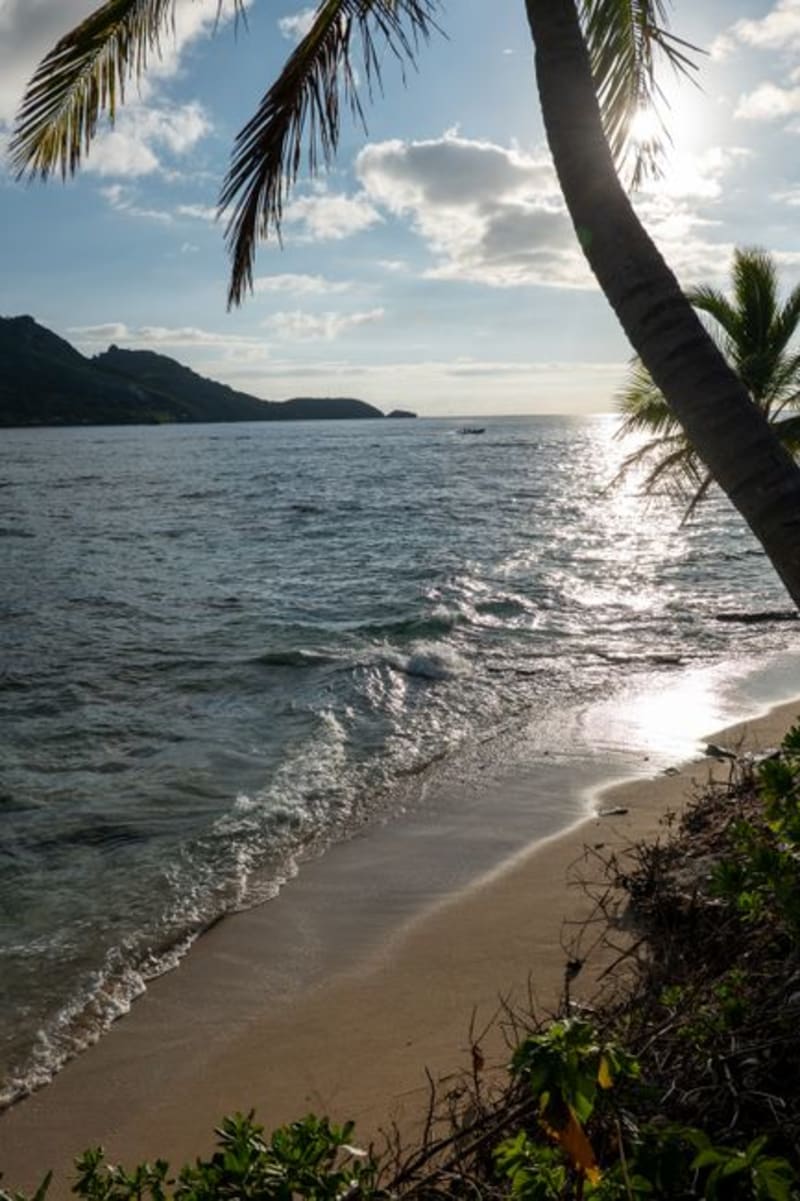 fiji
fiji Waya Island
A jagged volcanic silhouette in the southern Yasawas where a two-hour climb rewards you with the best view in the entire chain.
Explore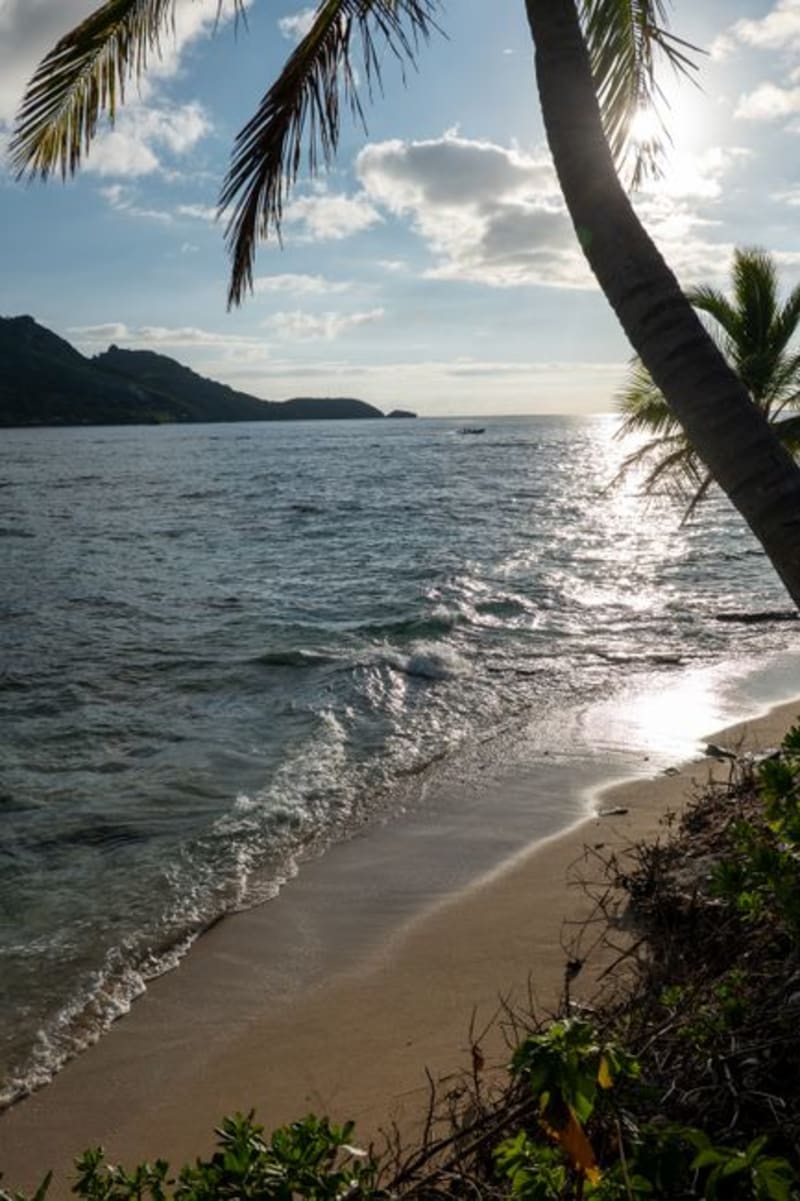 fiji
fiji Waya Lailai Island
Waya's smaller, quieter neighbor, where a single village and a scatter of family-run bures make for the kind of slow days that reset your whole nervous system.
Explore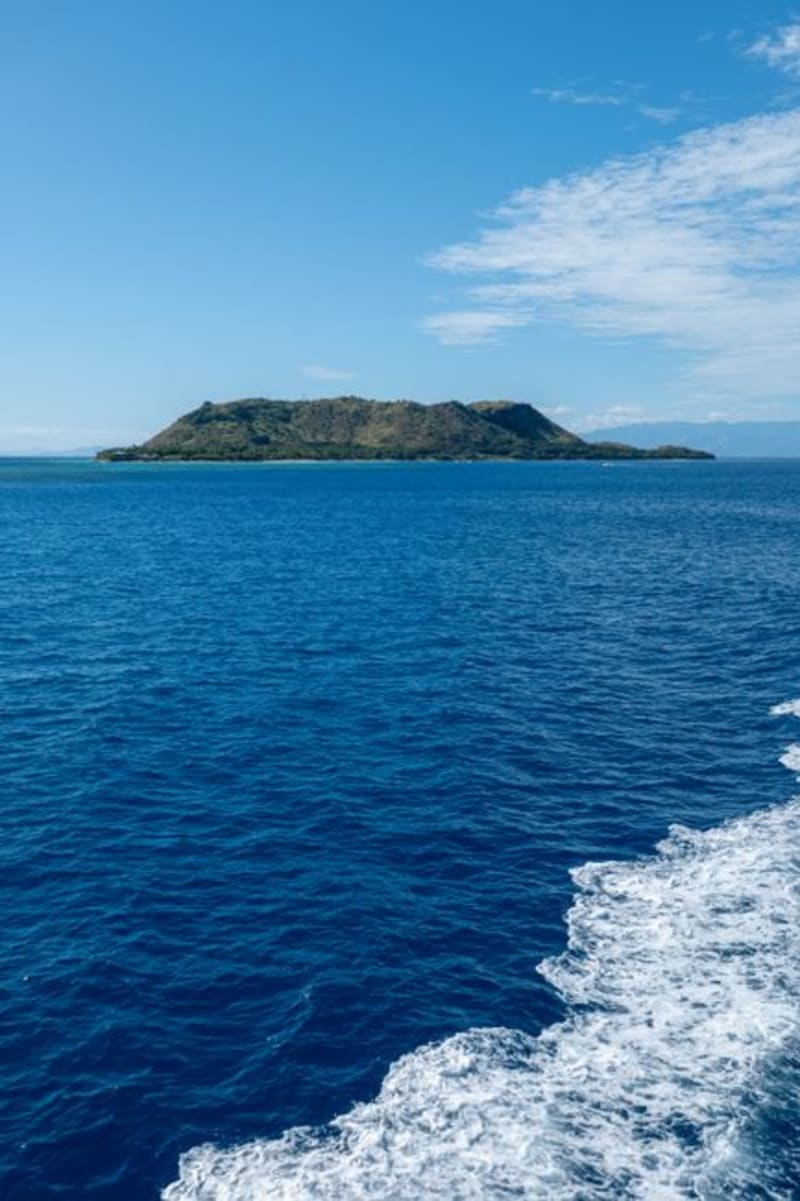 fiji
fiji Yanuca Island
A causeway-linked islet at the eastern end of the Coral Coast, quieter and more self-contained than the resort strip it technically belongs to.
Explore fiji
fiji Yaqeta Island
A quiet Yasawa island with an outsized place in Fijian religious history, where the first Christian conversions in the group reportedly took place.
Explore