
Waisali Rainforest Reserve
"Forty minutes from Savusavu's café tables, we were standing under trees that predate the colonial period, and nobody else was there."
A community-managed patch of lowland rainforest above Vanua Levu's Hibiscus Highway, quietly protecting some of the healthiest native forest left on the island.
The Waisali Rainforest Reserve sits about forty minutes east of Savusavu along the Hibiscus Highway, a stretch of coast road that alone justifies the drive, and it’s the kind of place that barely registers in most Fiji itineraries because it doesn’t have a beach or a dive shop attached to it. It’s a genuine tract of native lowland rainforest, managed by the local landowning clan in partnership with the National Trust of Fiji, and it protects one of the last accessible pieces of forest on Vanua Levu that hasn’t been logged or converted to plantation at some point in the last century.
We arrived without much of a plan, paid a small entry fee to a young ranger at a wooden hut who doubled as our guide, and followed a looped trail that dropped through several distinct forest zones in under two hours — towering dakua and vesi hardwoods with buttressed roots taller than either of us, a mid-storey thick with tree ferns and wild orchids, and along the lower section a series of pools fed by a stream clear enough to see straight to the pebbled bottom. Lia spotted a collared lory, a small parrot with startling red and green plumage, sitting still enough in a low branch that she got an actual photograph rather than the usual blurred streak of colour these birds leave you with.
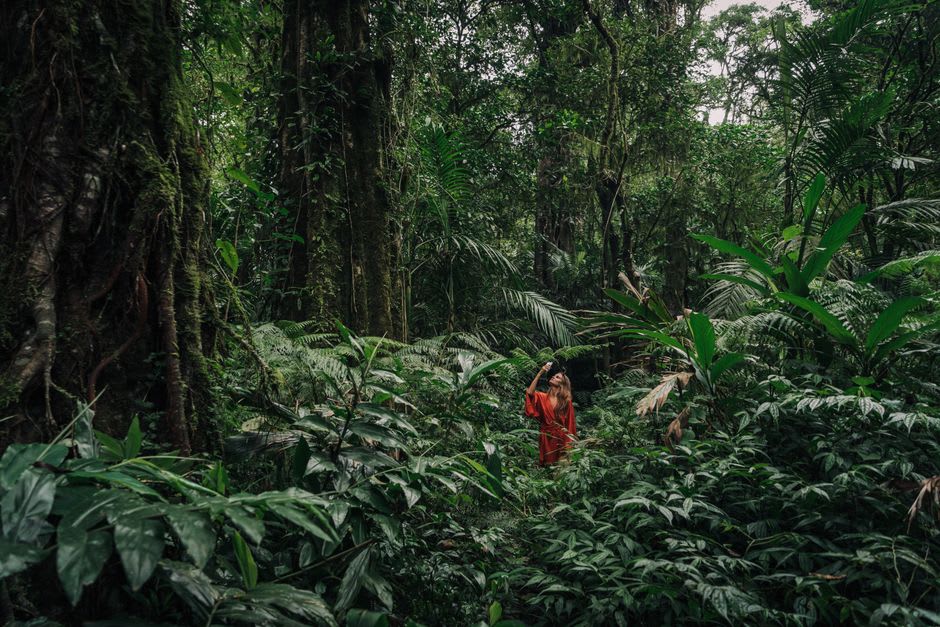
The ranger, whose name was Josefa, talked the whole way about which trees his grandfather had used for what — this one for canoe hulls, this bark boiled for fever, this one avoided entirely because it was believed to house spirits best left undisturbed. It was a smaller, quieter version of the same forest knowledge I’d encountered on Taveuni, delivered without an audience of other tourists to perform for, which somehow made it feel more like a conversation than a tour.
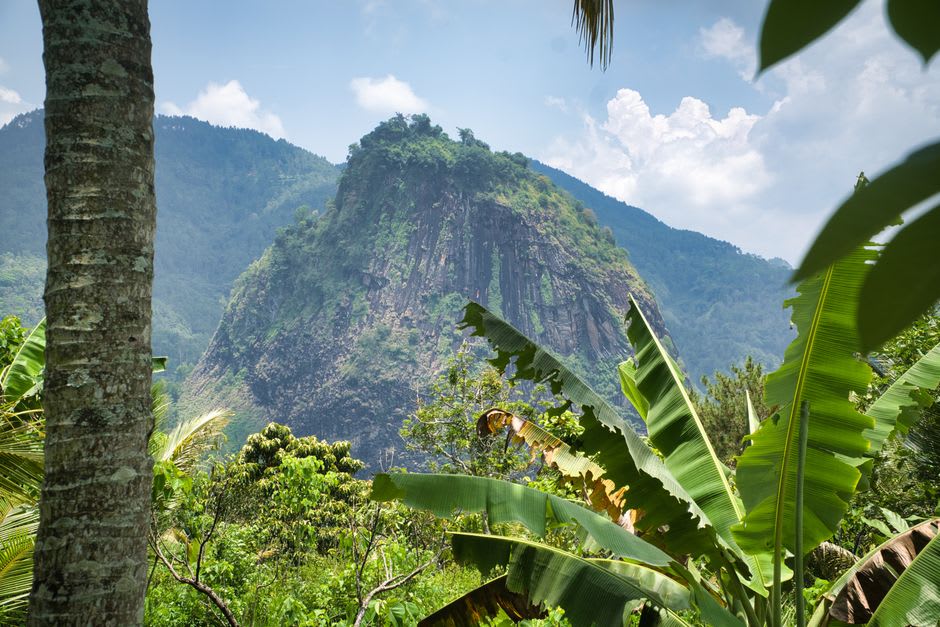
We finished at a small pool near the end of the loop and swam for twenty minutes in water cold enough to sting pleasantly, watched by nothing except a pair of orange dove that Josefa pointed out high in the canopy and that took me a full five minutes of squinting to actually locate.
When to go: Open year-round, though the trail gets genuinely slick after heavy rain, so the May-to-October dry season makes for easier footing. Go in the morning, both for the light through the canopy and because the birdlife is considerably more active before midday.
Keep exploring
More from Fiji
 fiji
fiji Waisalima
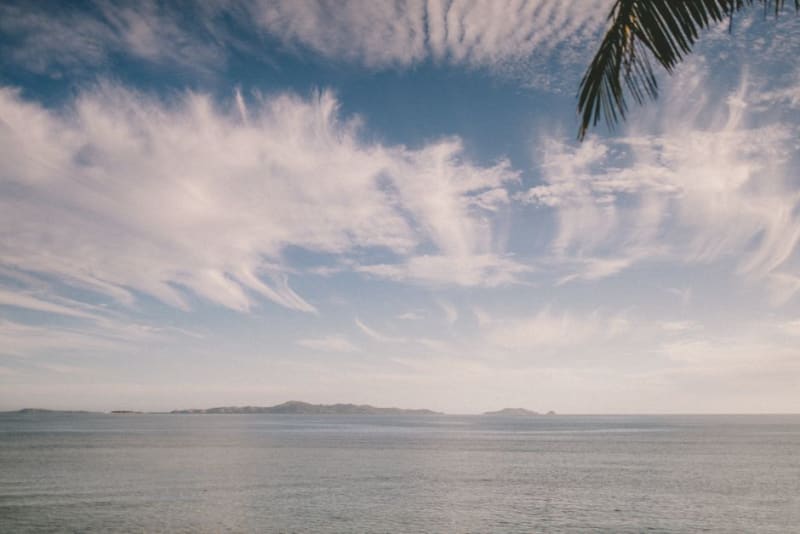
A backpacker-friendly dive beach on Kadavu's south coast where the reef starts a few strokes from shore and the evenings are spent playing cards by lamplight.
Explore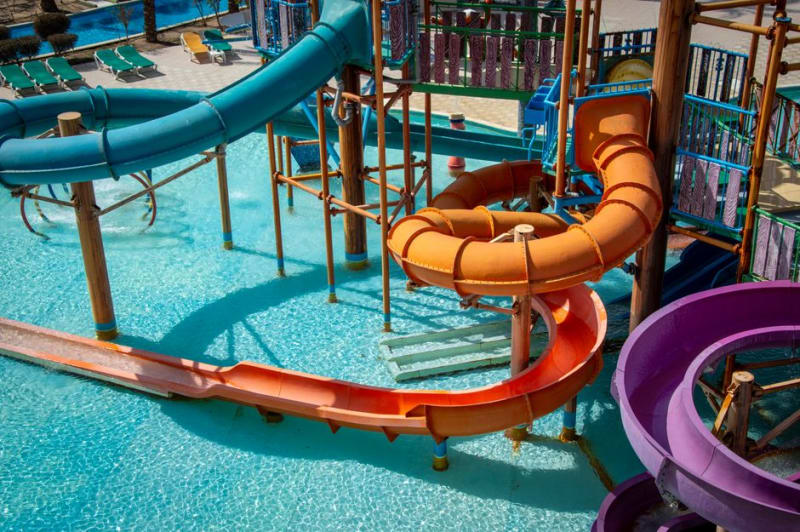 fiji
fiji Waitavala Water Slides
A natural rock waterslide on Taveuni where the local kids' favourite afternoon activity happens to be free, spectacular, and open to anyone brave enough to sit down.
Explore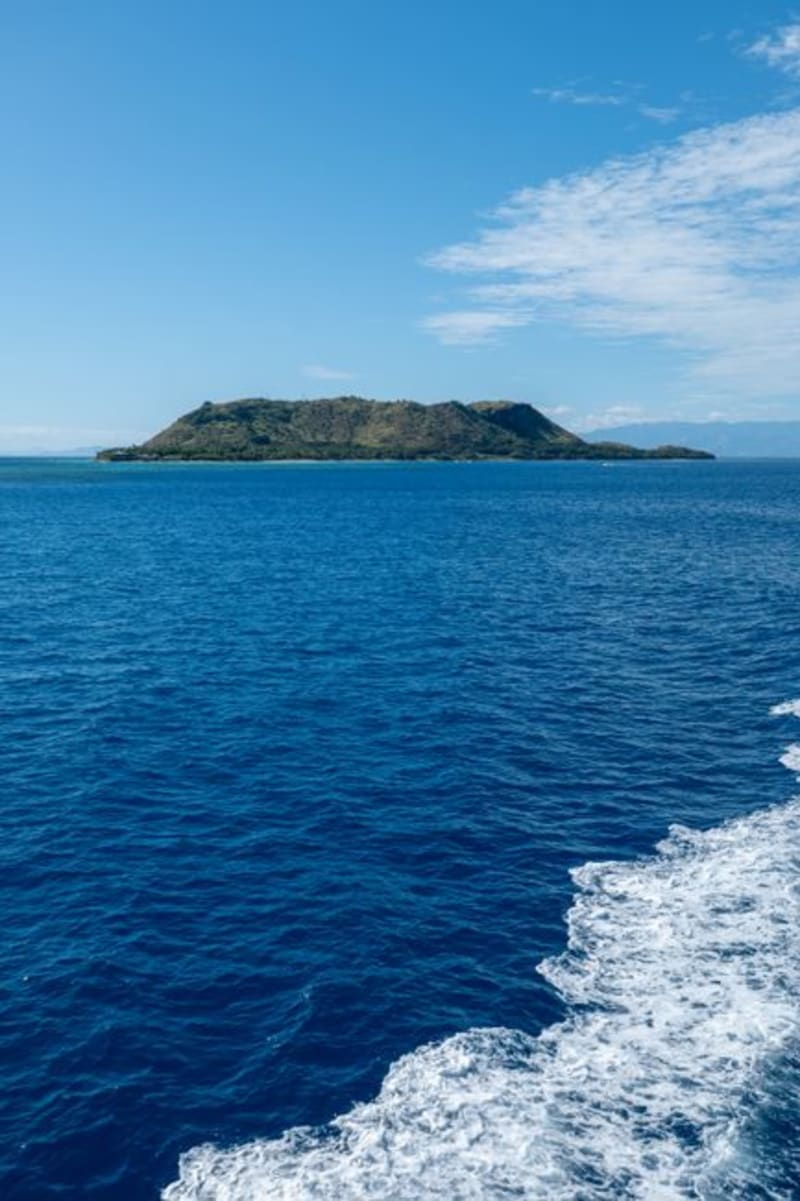 fiji
fiji Wakaya Island
A privately owned island in the Lomaiviti group with a single ultra-exclusive resort, deer roaming the bush, and a history of celebrity hideaways that sits oddly against its own quiet, undeveloped interior.
Explore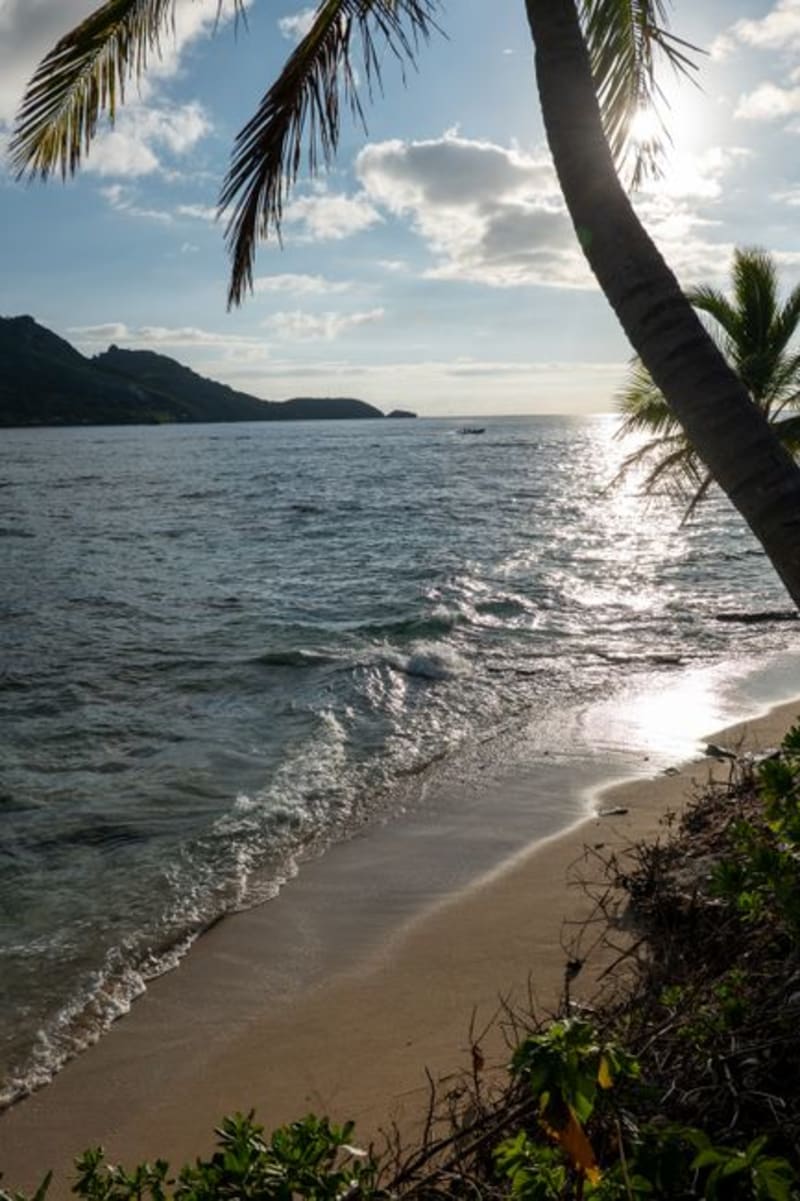 fiji
fiji Waya Island
A jagged volcanic silhouette in the southern Yasawas where a two-hour climb rewards you with the best view in the entire chain.
Explore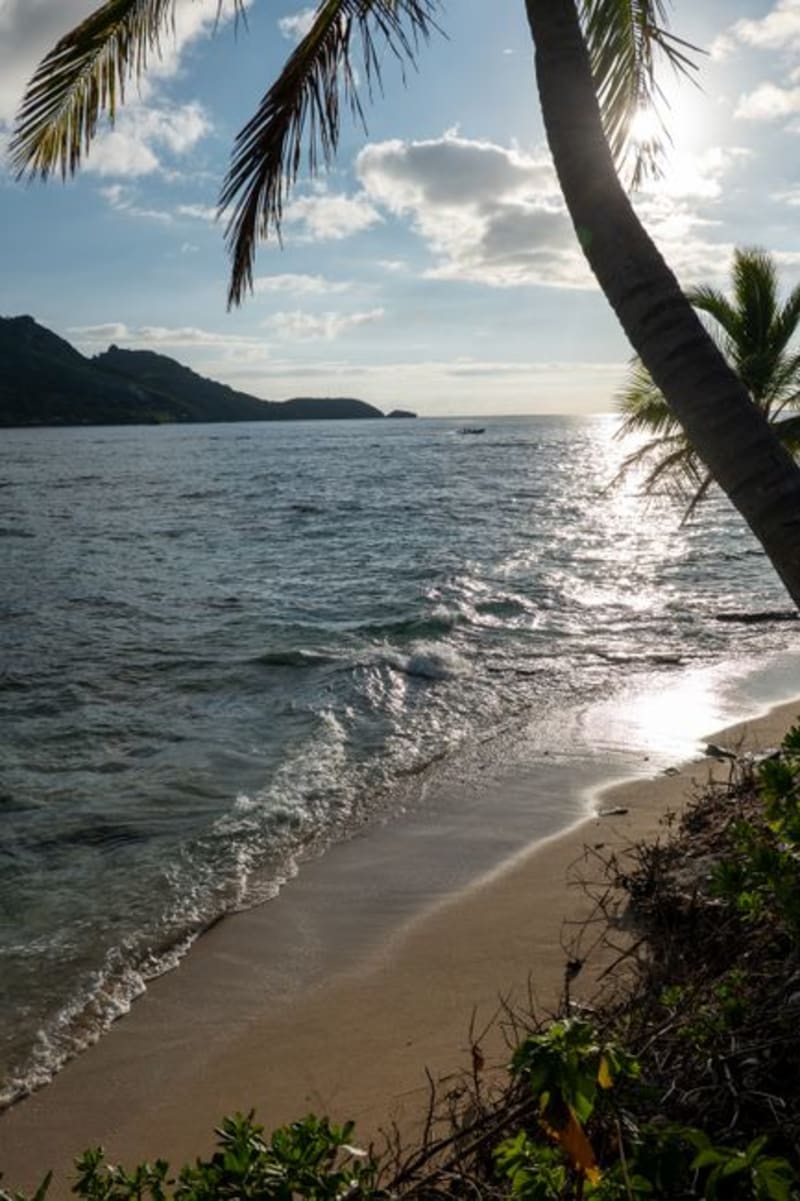 fiji
fiji Waya Lailai Island
Waya's smaller, quieter neighbor, where a single village and a scatter of family-run bures make for the kind of slow days that reset your whole nervous system.
Explore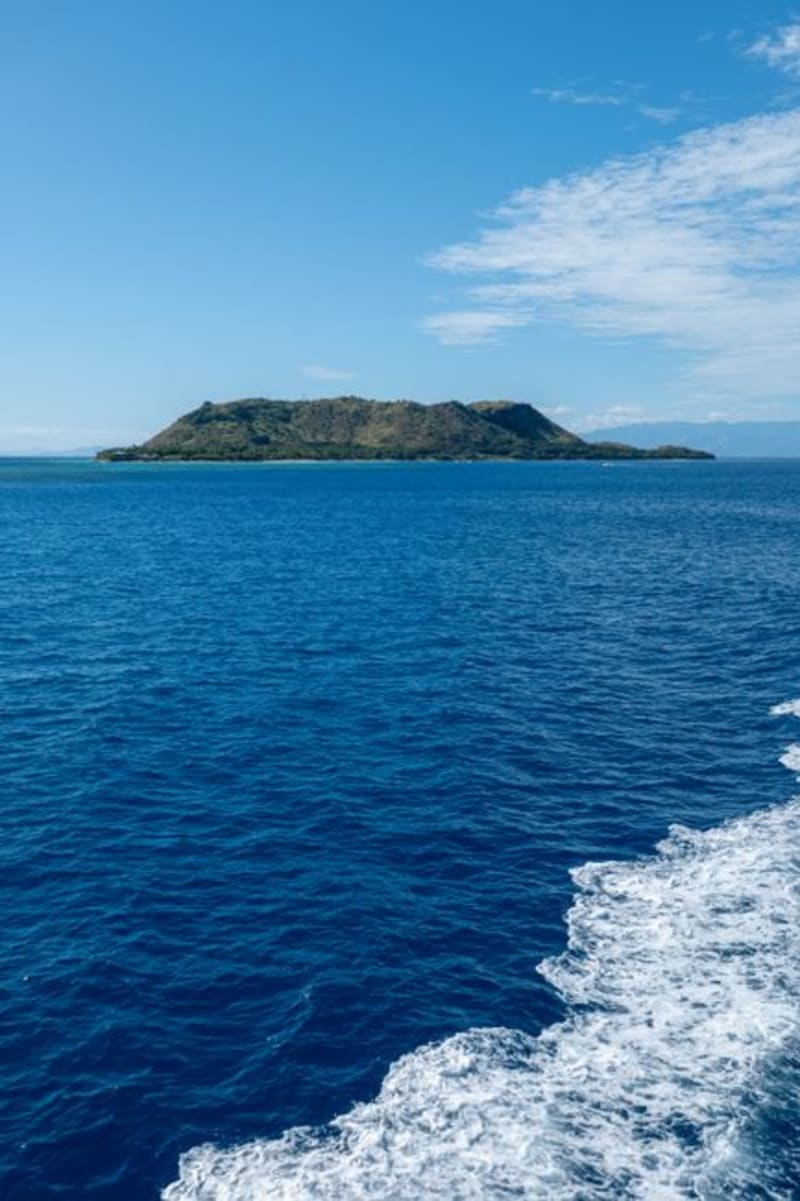 fiji
fiji Yanuca Island
A causeway-linked islet at the eastern end of the Coral Coast, quieter and more self-contained than the resort strip it technically belongs to.
Explore