
Tavuni Hill Fort
"Our guide pointed at a flat patch of grass and said, that's where the chief's head was displayed. Then he asked if we wanted to keep going, like it was a completely normal thing to have just said."
A 19th-century Tongan fortress on a ridge above the Sigatoka River, where terraced defenses and burial mounds tell a story most beach itineraries never mention.
I’ll admit I almost skipped Tavuni. It’s a fifteen-minute drive up the valley road from Sigatoka Town, and on paper “hill fort” sounds like the kind of minor heritage site you tick off in twenty minutes for the sake of completeness. It is not that. Tavuni was built in the 1800s by Maile Latumai, a Tongan chief who settled here with his warriors and fortified the ridge above a bend in the Sigatoka River, and the site — now managed by the local village who still consider it sacred ancestral ground — is one of the only places on the Coral Coast where you get a genuinely unvarnished look at pre-colonial Fijian and Tongan power struggles instead of a resort’s sanitized version of “island culture.”
A guide from the village met us at the entrance, which is the only way to visit — you can’t wander the site alone, and that’s the right call, because half the value is in what he told us as we climbed. The terraces cut into the hillside were defensive rings, each one a stage the enemy had to fight through, and interspersed with them are what look like ordinary grassy platforms until you’re told they were the foundations for chiefly houses, or worse, spots where the fort’s defenders displayed the heads of defeated attackers as a warning visible from the river below. He said it flatly, without theatrics, the way you’d point out a nice view, and that plainness made it land harder than any dramatized version could have.
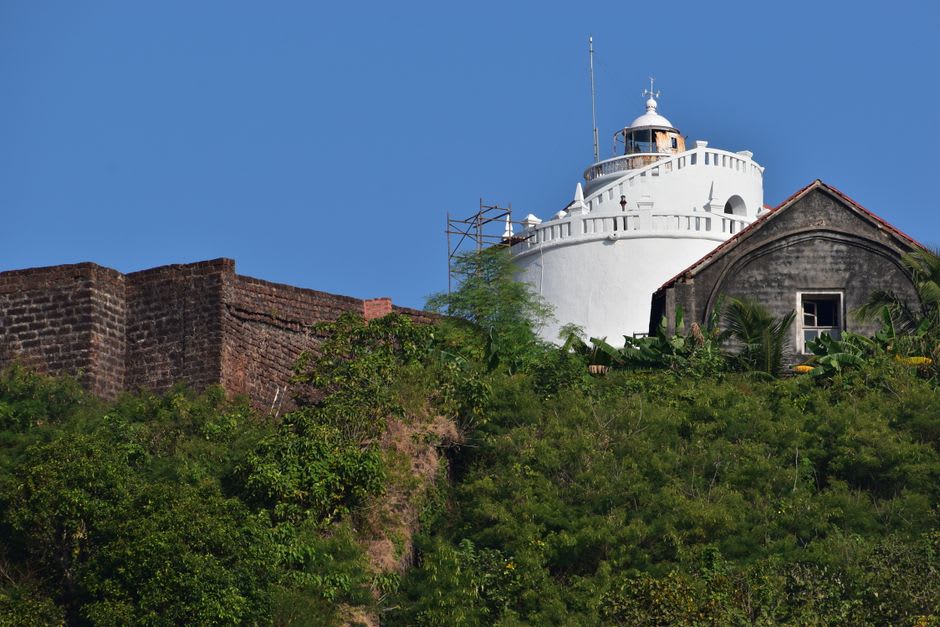
At the top, the fort opens onto a clearing with sweeping views back down the valley — cassava and dalo plots cut into the hillsides, the river doubling back on itself, the whole scene looking less like a fortress and more like an ordinary Fijian farming valley, which is precisely why the fort worked as long as it did. There’s a burial ground near the summit that the guide asked us to photograph only from a respectful distance, and a lovo pit still used by the village for ceremonial cooking. Lia asked more questions than I did, mostly about the women’s role in the fort’s daily life, and got answers longer and more specific than either of us expected — clearly a subject the guide cared about beyond the tour script.
When to go: Open most days but confirm with a Sigatoka tour operator or the site directly, as guided access depends on village availability. Morning visits avoid the worst of the valley heat on the climb, and the light on the terraces is better before midday.
Keep exploring
More from Fiji
 fiji
fiji Tokoriki Island
The northernmost inhabited Mamanuca, reached by the longest boat transfer in the chain, where the payoff is some of the best sunset-facing reef in the islands.
Explore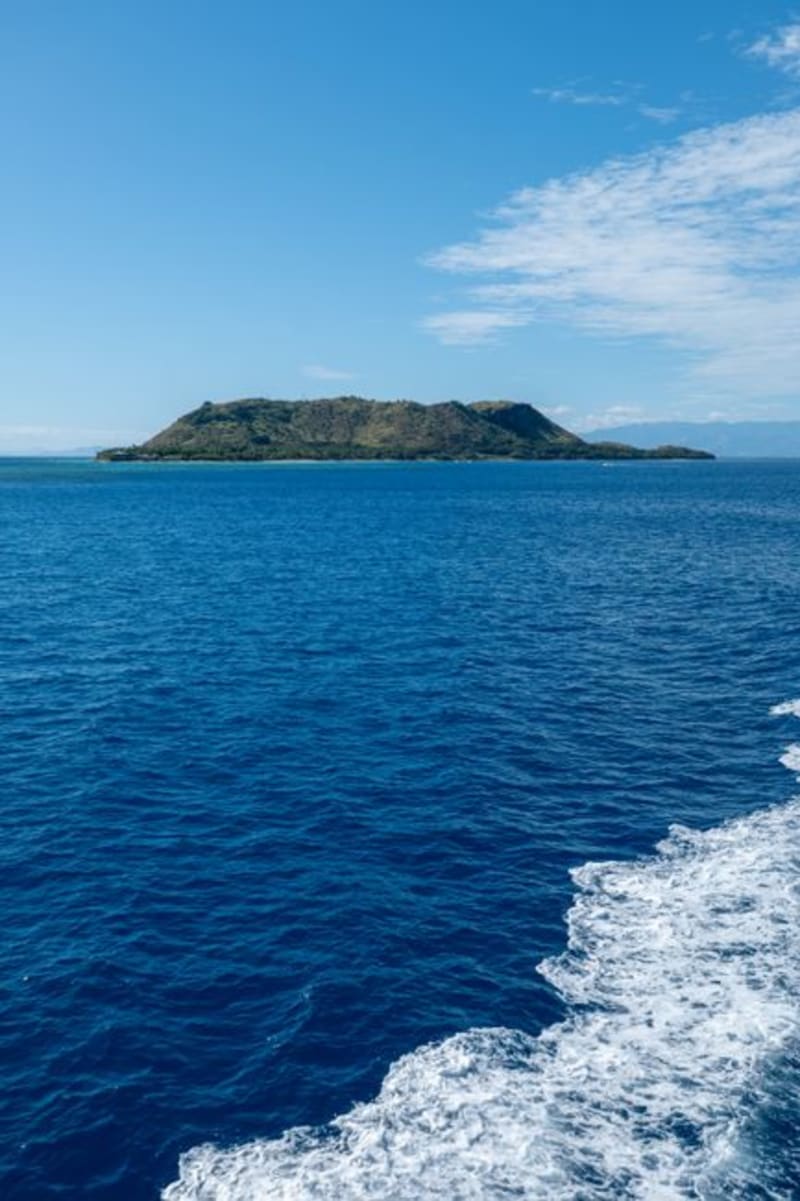 fiji
fiji Treasure Island
A small, low-key family resort island near Nadi where the reputation for kids' activities somehow coexists with a genuinely excellent house reef.
Explore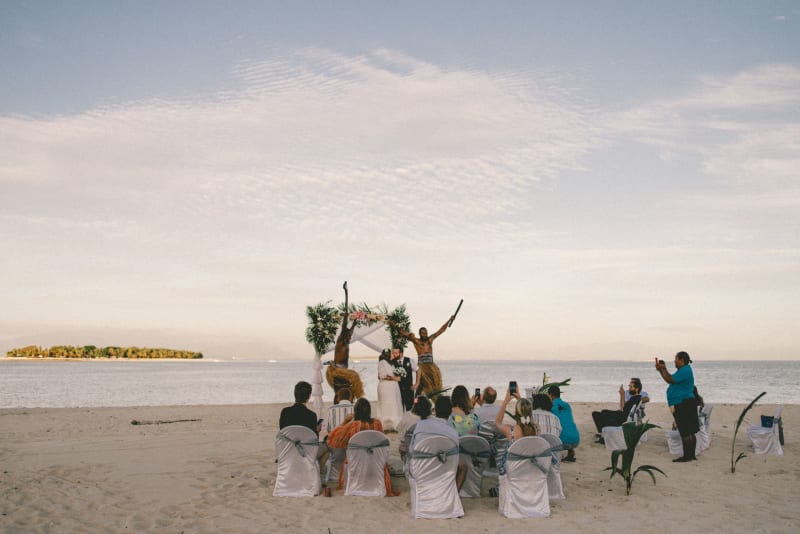 fiji
fiji Vanua Levu
Fiji's second island, bigger and quieter than the main island, where copra plantations meet hot springs and a town called Savusavu proves that sleepy and interesting aren't mutually exclusive.
Explore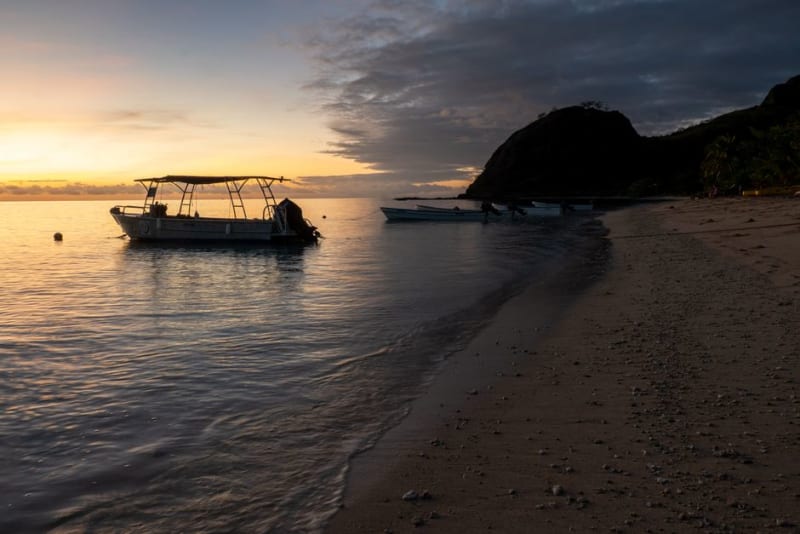 fiji
fiji Vatukoula
Fiji's gold-mining town in the interior hills above Rakiraki, still working the same reef that's produced gold since the 1930s and looking nothing like the rest of the country.
Explore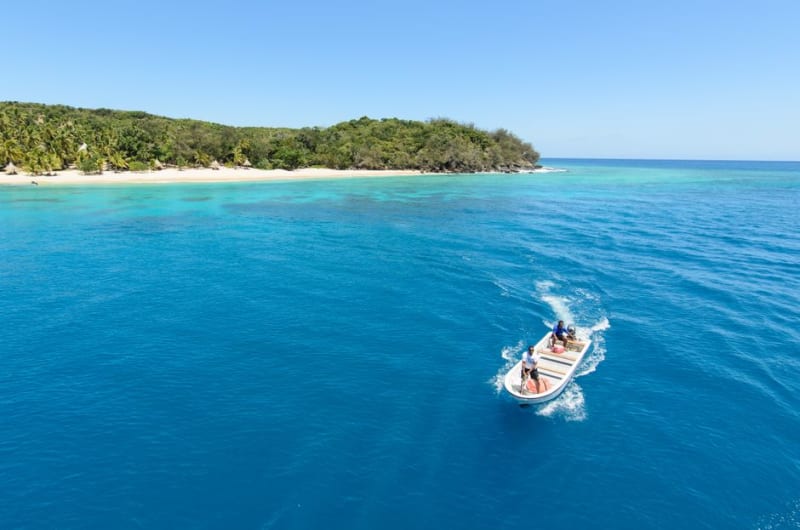 fiji
fiji Vatulele Island
A raised coral island a short flight from the Coral Coast, famous for its sacred red prawns, hand-printed masi cloth, and a lagoon that barely gets visitors.
Explore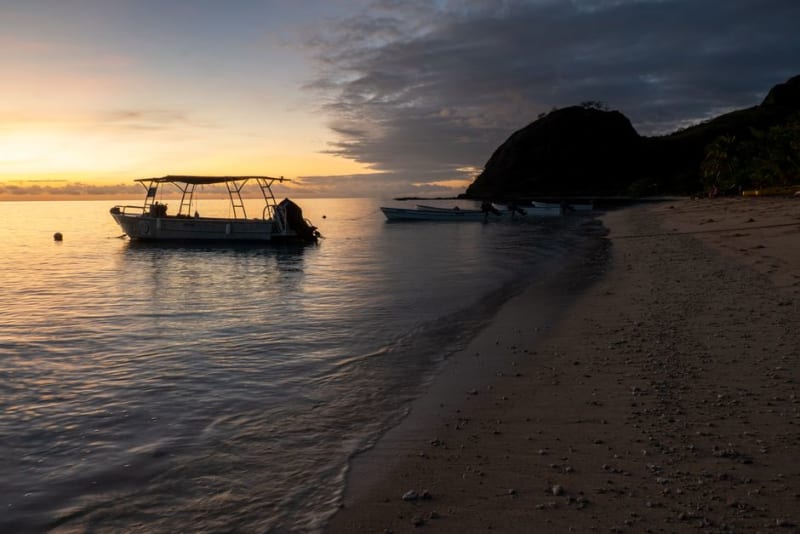 fiji
fiji Viseisei Village
The village Fijian oral history names as the first settlement on the islands, a working community a few minutes off the Nadi-Lautoka highway that still runs on kava and custom.
Explore