
Nausori Highlands
"The road turned to red mud twenty minutes out of Suva and did not turn back into asphalt for the rest of the day."
The steep, waterfall-laced hill country behind Suva, threaded by a single rough road through villages that still farm the same terraced slopes their grandparents did.
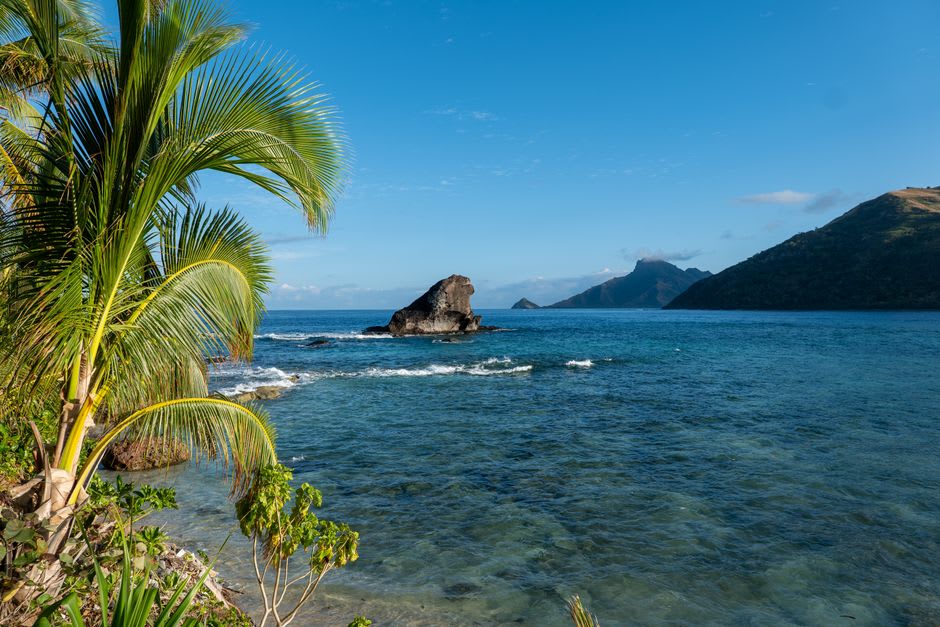
Confusingly, the Nausori Highlands share their name with the delta town of Nausori but sit nowhere near it — they rise directly behind Suva to the north, a wall of steep, terraced hills that most visitors see only as a green backdrop from the capital’s waterfront and never actually enter. We rented a four-wheel-drive from a guy in Suva who eyed our little sedan reservation with open skepticism and talked us into the upgrade, correctly as it turned out, because the road climbing into the highlands stopped being paved about twenty minutes out of the city and did not resume for the rest of the day.
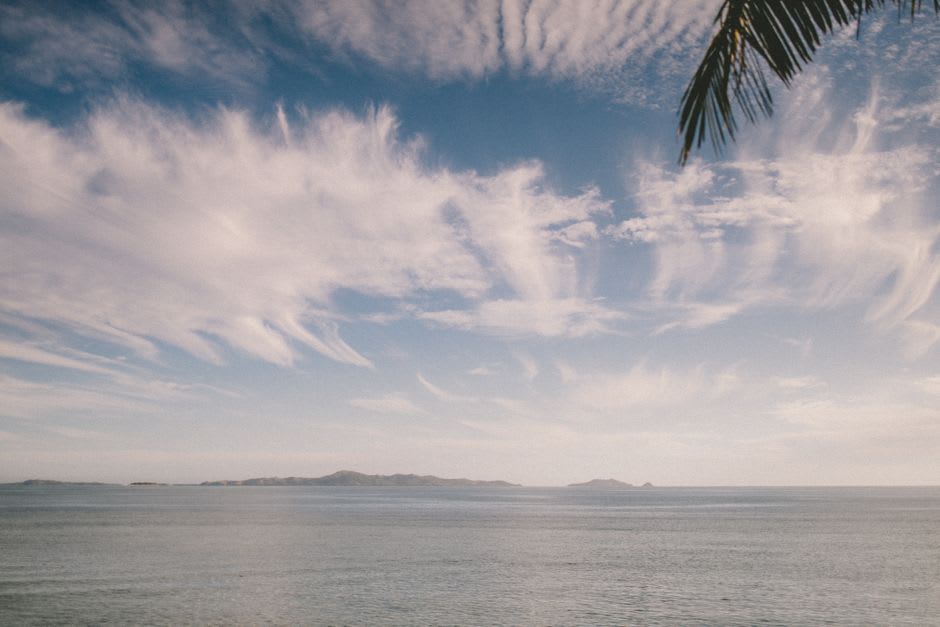
The drive itself is the attraction as much as any single stop. The road switches back through village after village — Nabukavesi, Naqali, Serea — each one a cluster of houses and a church perched on a ridge with views back down over Suva harbor that got more dramatic the higher we climbed. Farmers here work steep terraced plots of dalo and yaqona, the kava plant, and we passed several men and women walking the roadside with wheelbarrows loaded with root vegetables headed for a collection point where trucks gather produce for the Suva market. The clouds sit differently up here too, lower and more textured, catching on ridgelines in a way that turned the whole landscape faintly cinematic by mid-morning.
We stopped at Vunivatu, a village known locally for a nearby waterfall that involved a genuinely muddy twenty-minute scramble down a slope Lia handled far more gracefully than I did, at one point offering me a hand up while trying not to laugh at how thoroughly my boots had failed at their job. The waterfall itself drops maybe fifteen meters into a narrow pool ringed by ferns, and a group of kids from the village had beaten us there and were doing backflips off a rock ledge with a casualness that made my careful, testing-the-water entry look faintly ridiculous by comparison. One of them, a boy of maybe eleven named Semi, appointed himself our unofficial guide for the rest of the afternoon and showed us a second, smaller cascade a short walk upstream that he swore, with total conviction, “no tourist has ever seen,” which may or may not have been true but felt true in the moment.
Semi’s grandmother invited us in for tea when we climbed back up, and we sat on the floor of her small house drinking it black and heavily sugared while she asked, through Semi’s translation, whether it snowed where we came from and seemed genuinely delighted when I said it did in the mountains near where I grew up. There is a particular kind of hospitality that exists in places tourism has not yet reorganized around itself, and the Nausori Highlands, despite their proximity to a capital city of a hundred thousand people, remain almost entirely that.
When to go: May through October, firmly. The highland roads are unpaved clay that becomes close to impassable in heavy rain, and the wet season from November to April can strand even a capable 4WD for hours.
Keep exploring
More from Fiji
 fiji
fiji Navala Village
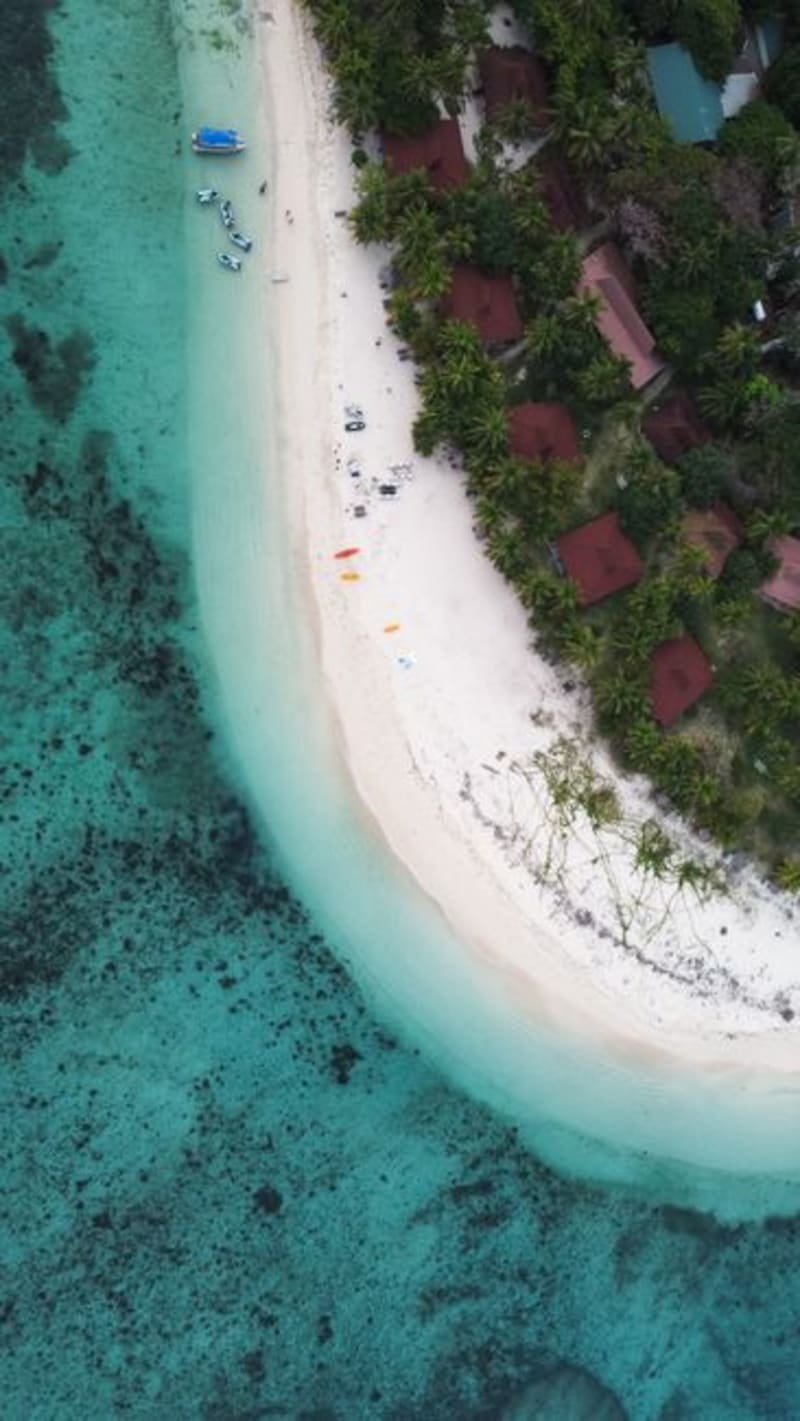
The last village in Fiji built entirely of bamboo and thatch, tucked into the Ba highlands where the government still requires every roof to be traditional.
Explore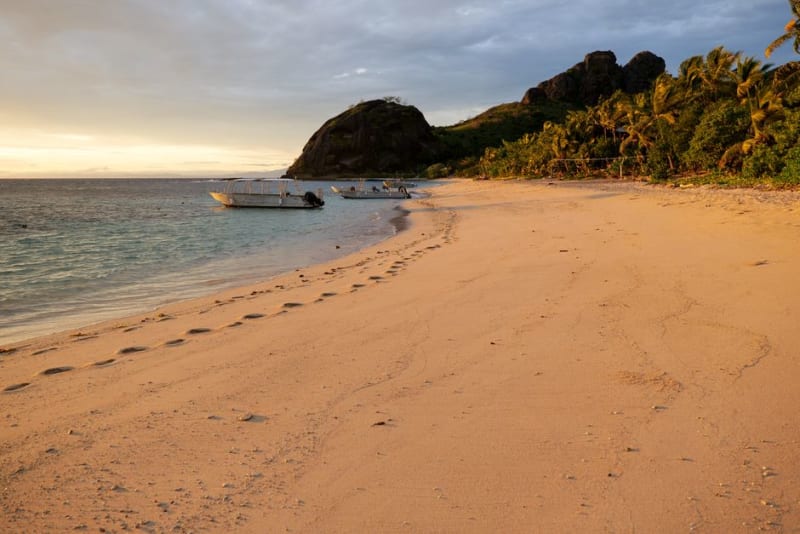 fiji
fiji Navini Island
A tiny, unfussy single-resort island in the inner Mamanucas that has stayed deliberately small for decades, popular with divers for the drop-off just past its reef.
Explore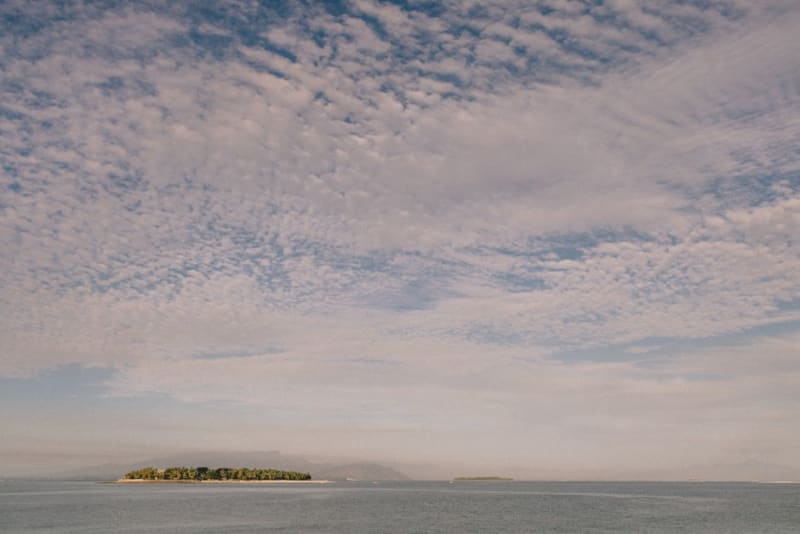 fiji
fiji Naviti Island
The largest island in the Yasawas, home to half a dozen villages, a long white beach, and a rhythm of life that has almost nothing to do with tourism.
Explore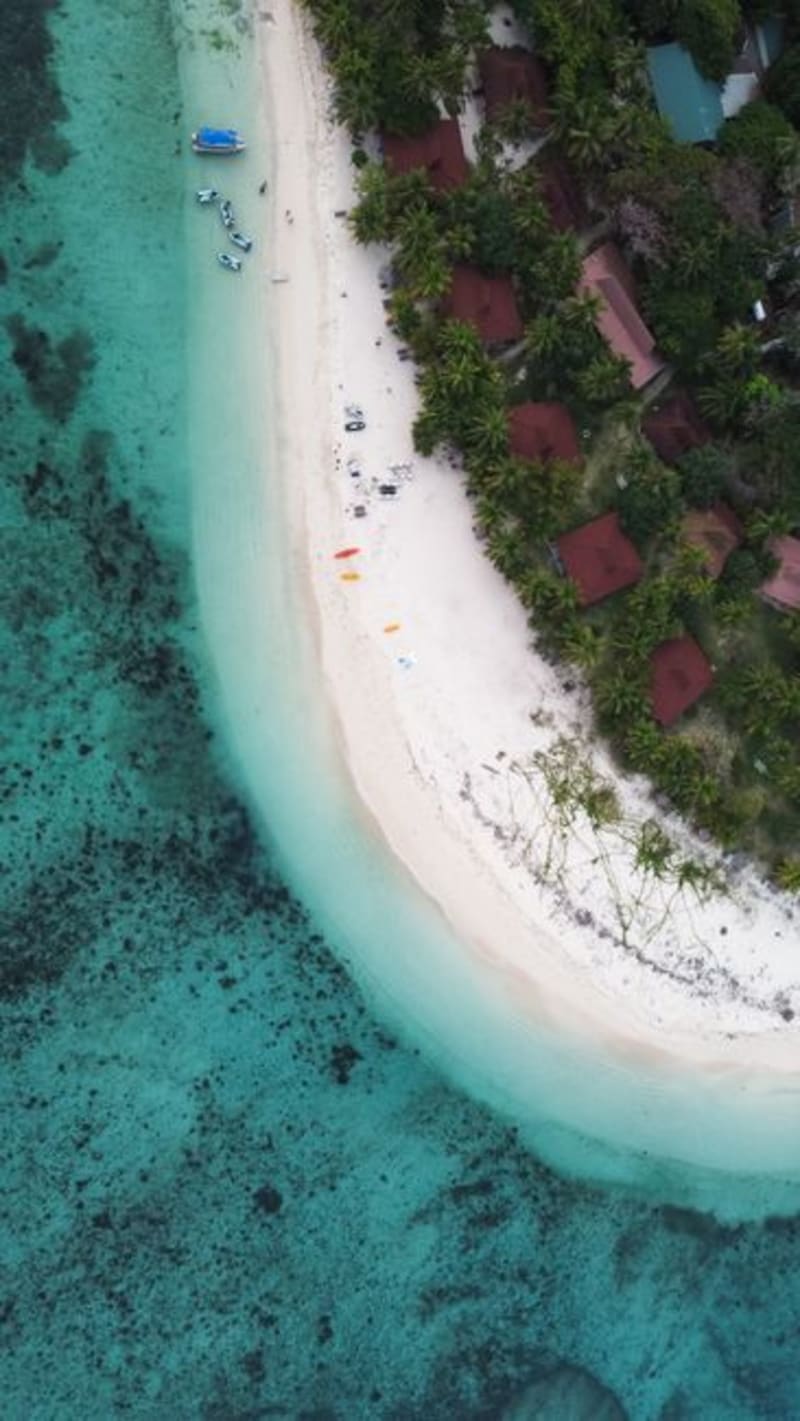 fiji
fiji Navua Town
A river-delta market town nicknamed the 'Little Venice of Fiji,' where narrow creeks, a floating produce trade, and a genuinely great market make for an underrated stopover.
Explore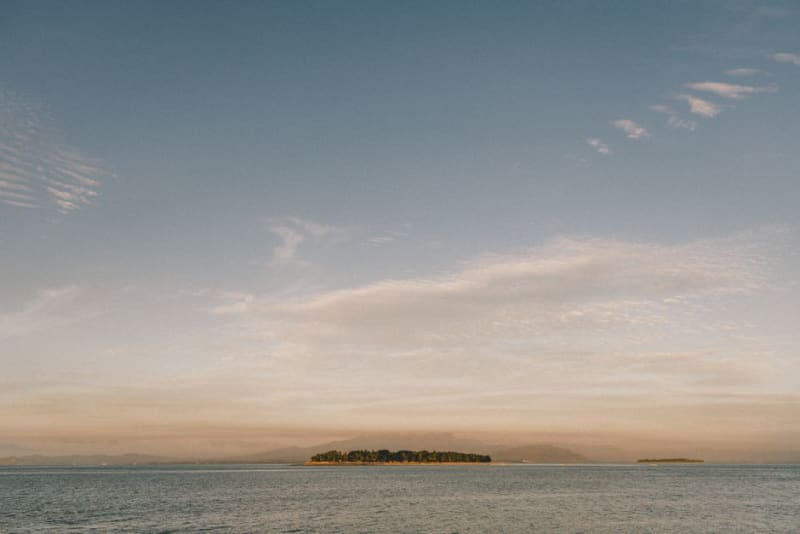 fiji
fiji Nukubati Island
A private island off Vanua Levu's remote north coast where the Great Sea Reef, not a resort brochure, does all the talking.
Explore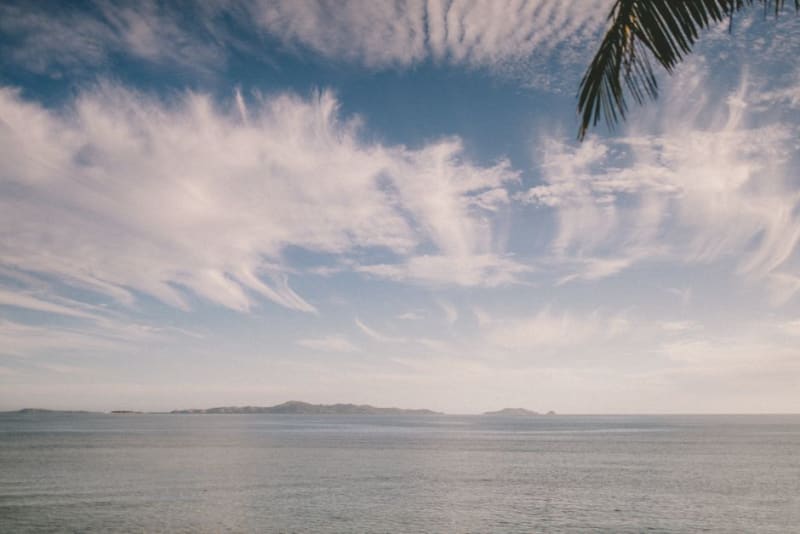 fiji
fiji Nukulau Island
A tiny sandbar island just off Suva harbor with a startling history as a quarantine station, leper colony, and coup-plotter's prison, now a quiet day-trip beach for the capital's residents.
Explore