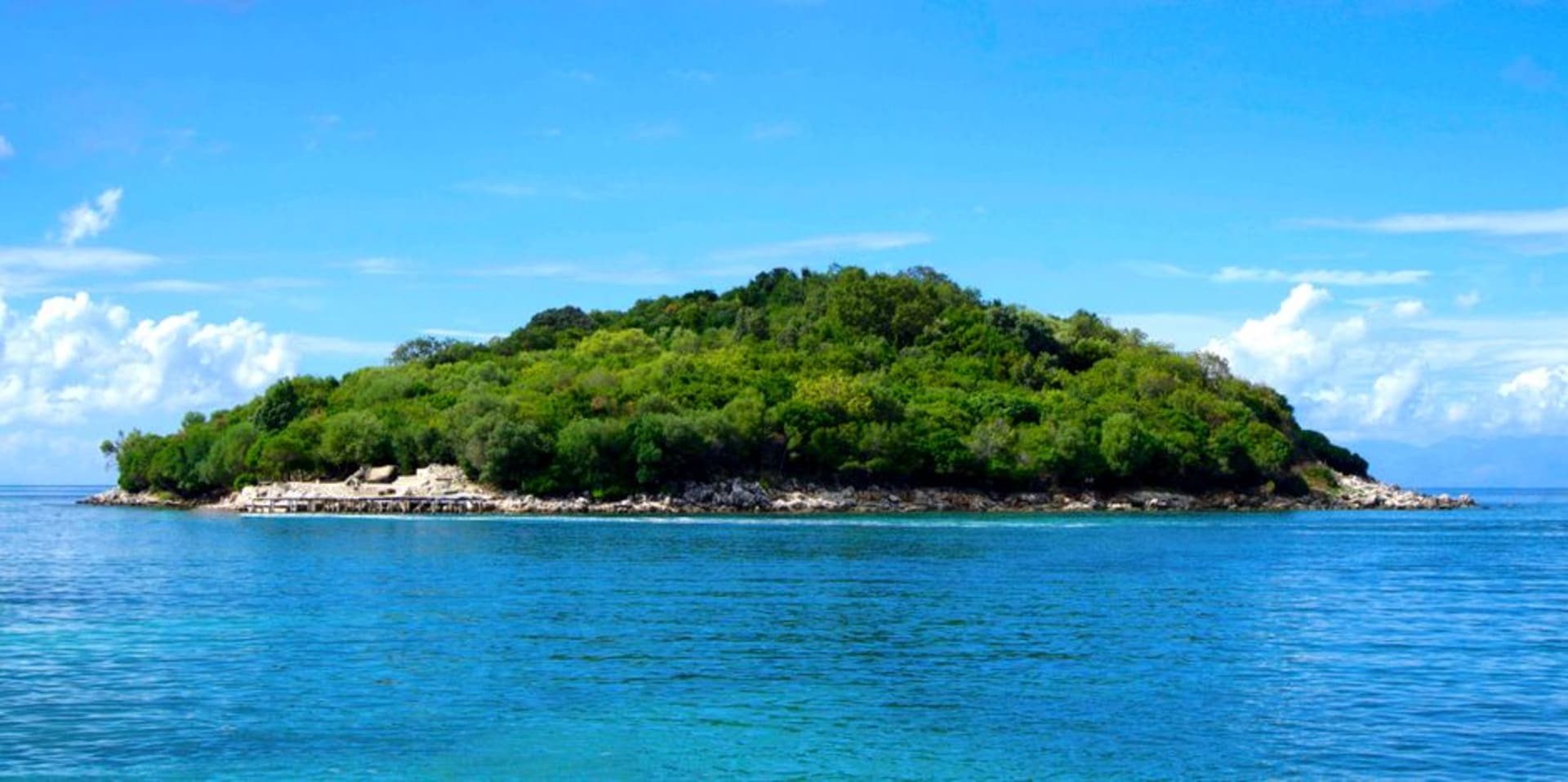
Nananu-i-Ra Island
"No cars, no roads, no noise except wind. The island exists almost entirely because of the wind, so that felt fitting."
A small, roadless island off Rakiraki where the trade winds funnel through the channel and turn the water into a kitesurfer's dream.
Nananu-i-Ra is tiny — you can walk across the widest part of it in under an hour — and sits just off Rakiraki at the northern tip of Viti Levu, separated from the mainland by a narrow channel that happens to funnel the southeast trade winds into a reliable, powerful blow for most of the dry season. That single fact has shaped the entire island: there are no roads, no cars, and barely any development beyond a handful of small backpacker lodges and one dedicated kitesurfing school, because Nananu-i-Ra’s whole reason for existing on the tourist map is the wind, not the beach, though the beaches are excellent too.
I’d never kitesurfed before arriving and the school talked me into a beginner lesson mostly, I suspect, because I stood on the shore for twenty minutes watching kites loop overhead with an expression the instructor later described as “the face everyone makes right before they sign up.” Three hours of lessons over two mornings got me to the point of being upright and moving in a mostly straight line, which felt like an enormous accomplishment given how badly I’d underestimated how much core strength the sport demands. Lia, more sensibly, stuck to snorkeling the fringing reef just off the lodge, which she reported was in noticeably better shape than similar reefs closer to Nadi, likely a function of how few boats and how little coastal development the island sees.
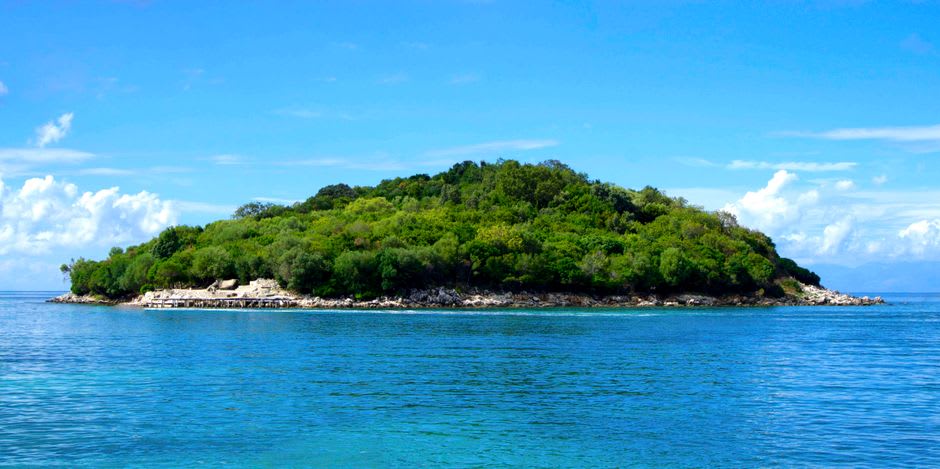
The island’s isolation gives it a particular rhythm. There’s no real village to speak of — a caretaker family and the lodge staff are about it — so evenings are unusually quiet, just the generator hum from the lodge kitchen and the wind easing off as the sun drops. We hiked up to the island’s high point one afternoon, a scrubby hill that takes about twenty minutes to summit, for a view back across the channel to the cane fields around Rakiraki and out toward the reef passages further offshore, distinct blue-on-blue bands marking depth changes in the water.
What I hadn’t expected was how social the small kitesurfing community turned out to be — a rotating cast of Australians, a couple of French windsurfers who’d clearly been coming for years, and one Fijian instructor who’d represented the country at an international kitesurfing event and talked about the sport with an intensity that made my wobbly three hours look even more amateur by comparison.
When to go: The trade winds are most consistent from May through October, which is also the best season for kitesurfing lessons and the calmest crossing by boat from Ellington Wharf near Rakiraki. Outside those months the wind is unreliable and several lodges scale back operations.