Namuamua Village
"Nobody on the raft said anything for twenty minutes. There was nothing that needed adding to the sound of the water."
A highland village reachable only by bamboo raft down the Navua River, where the gorge opens into farmland and the pace of the day is set by the current.
I got to Namuamua the way most people do, which is to say indirectly and slower than expected. A truck from Navua town took me and four other travelers up a rutted farm road for the better part of an hour, past sugarcane fields that gave way to taro patches and then to proper rainforest, until the road stopped making sense as a road and we switched to a longboat for the final stretch upriver. Lia had wanted to skip this one — she’d read that the water level makes or breaks the trip and ours had been unreliable all week — but the guide radioed ahead and confirmed the river was up enough, and I’m glad we went, because Namuamua turned out to be one of those places that rewards the effort of getting there almost exactly in proportion to how annoying the getting there was.
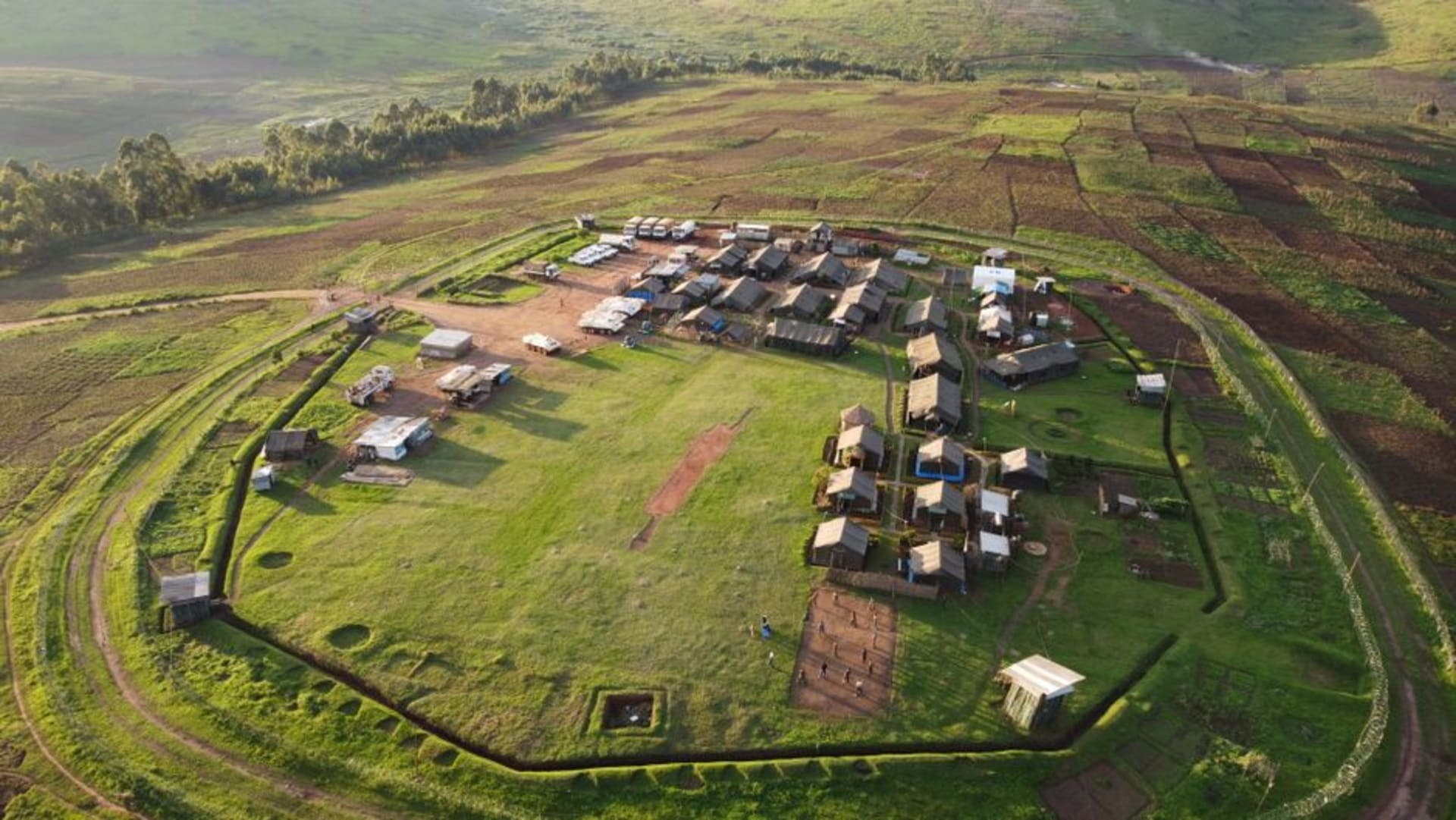
The village itself sits on a bend of the Upper Navua where the gorge, dramatic and closed-in further downstream near Pacific Harbour, opens into something gentler — cleared hillsides terraced with dalo and cassava, a scatter of houses with corrugated roofs catching the afternoon light, kids running the paths between them with the unhurried confidence of people who have never needed to look both ways. We were welcomed with a sevusevu, the kava presentation that opens any formal visit to a Fijian village, and I sat cross-legged in the community hall while the turaga-ni-koro, the village headman, accepted our bundle of waka root and murmured the acceptance chant that turns visitors into temporary members of the community for the length of their stay.
The trip down is the part people come for, and it deserves the reputation. You board a bilibili — a raft lashed together from thick bamboo poles, no nails, no rope beyond vine lashings — and a village polesman steers it down through calm stretches and short rapids using nothing but a long bamboo pole and an intimacy with the river that comes from doing this since childhood. Ours was named Josefa, maybe nineteen, who spent the two-hour float pointing out where the eels lived and where his grandfather had capsized a raft in 1987 and telling the story with the specific relish of someone who has told it many times and enjoys it more each time. The gorge walls closed in occasionally, mossy and dripping, and then opened again onto farmland, and somewhere in the middle of it I stopped being a tourist taking photos and just watched the water instead.
Lunch, cooked by the women of the village on an open fire while we did the river trip, was kokoda — raw fish cured in lime and coconut cream, with chili and diced tomato — eaten with our hands off banana leaf plates, and it remains one of the best meals I had anywhere in Fiji, made better by the fact that everyone eating it had just come off the same stretch of water together.
When to go: May through October, and only when there has been reasonable recent rainfall — too little and the raft trip is a slow, scraping affair; too much and trips get cancelled outright for safety. Ask your Pacific Harbour or Navua operator about river levels the morning of, since forecasts here are really about the last three days of rain, not the coming ones.
Keep exploring
More from Fiji
 fiji
fiji Namuana Village
A Kadavu village famous for a turtle-calling legend passed down through its women, sung to the sea on the rare occasions the ceremony is still performed.
Explore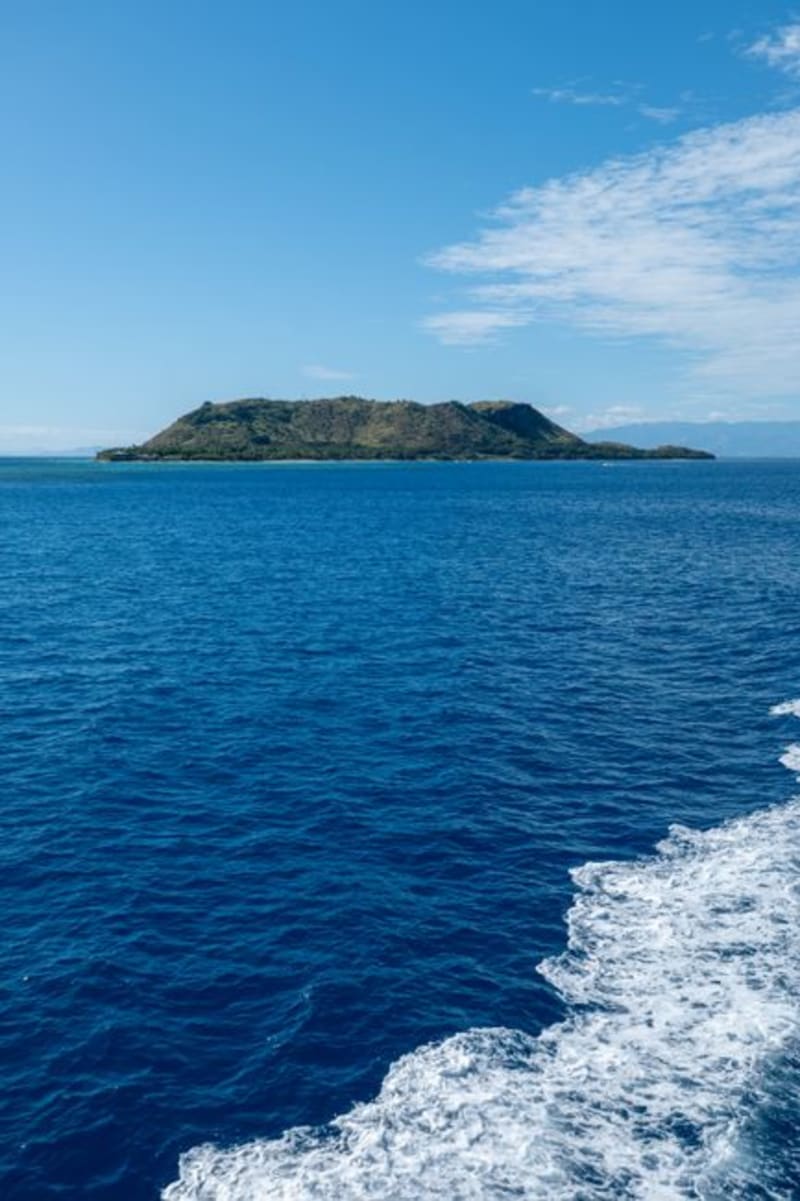 fiji
fiji Nananu-i-Ra Island
A small, roadless island off Rakiraki where the trade winds funnel through the channel and turn the water into a kitesurfer's dream.
Explore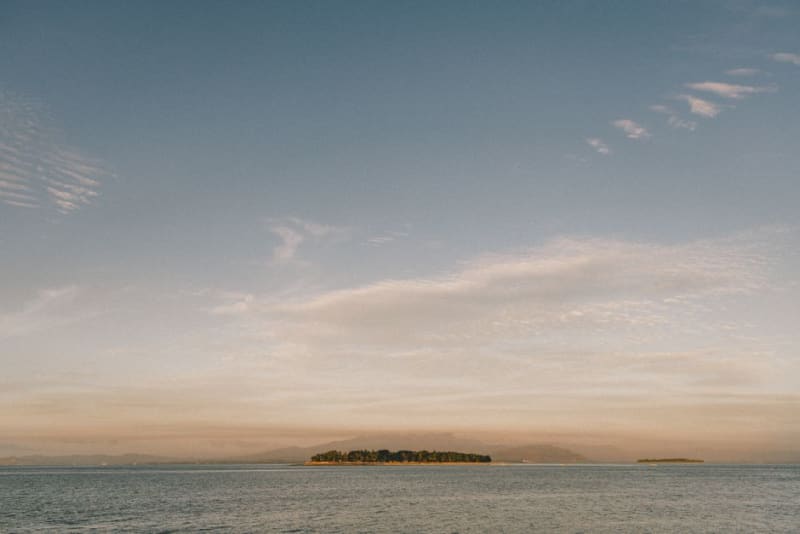 fiji
fiji Nanuya Lailai Island
The island that gave the Blue Lagoon its name, where a single beach curves between two shades of impossible blue and a small village keeps the film's legacy at arm's length.
Explore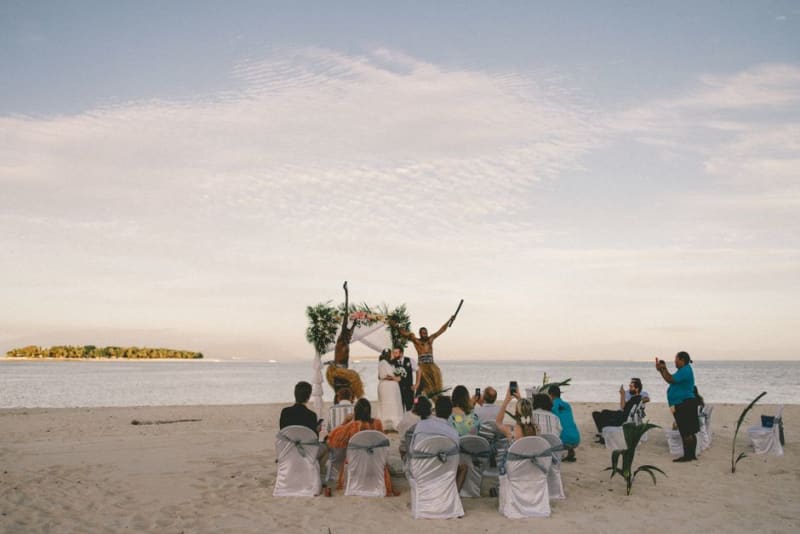 fiji
fiji Natadola Beach
A wide crescent of white sand on the Coral Coast's western edge, kept undeveloped enough that horseback rides down the beach still outnumber sunbeds.
Explore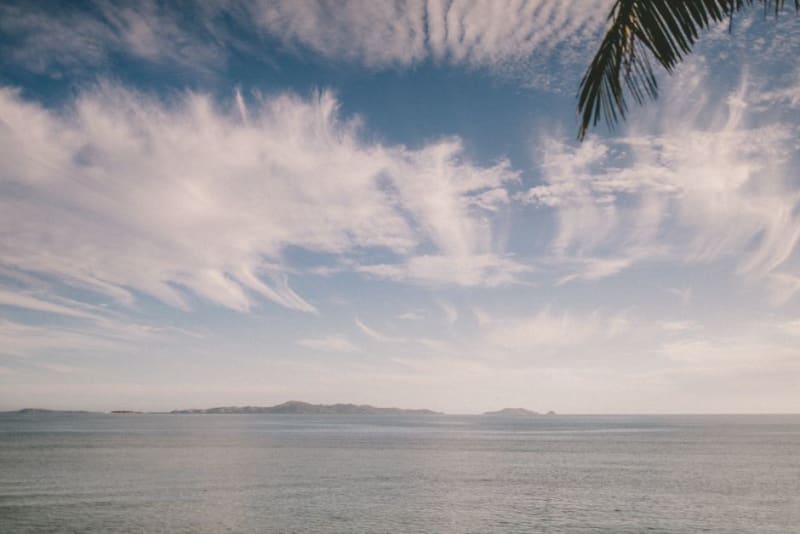 fiji
fiji Nausori
The unglamorous commercial heart of the Rewa Delta, where sugarcane trucks, a chaotic market, and Fiji's original international airport reveal a working town most visitors only ever drive past.
Explore fiji
fiji Nausori Highlands
The steep, waterfall-laced hill country behind Suva, threaded by a single rough road through villages that still farm the same terraced slopes their grandparents did.
Explore