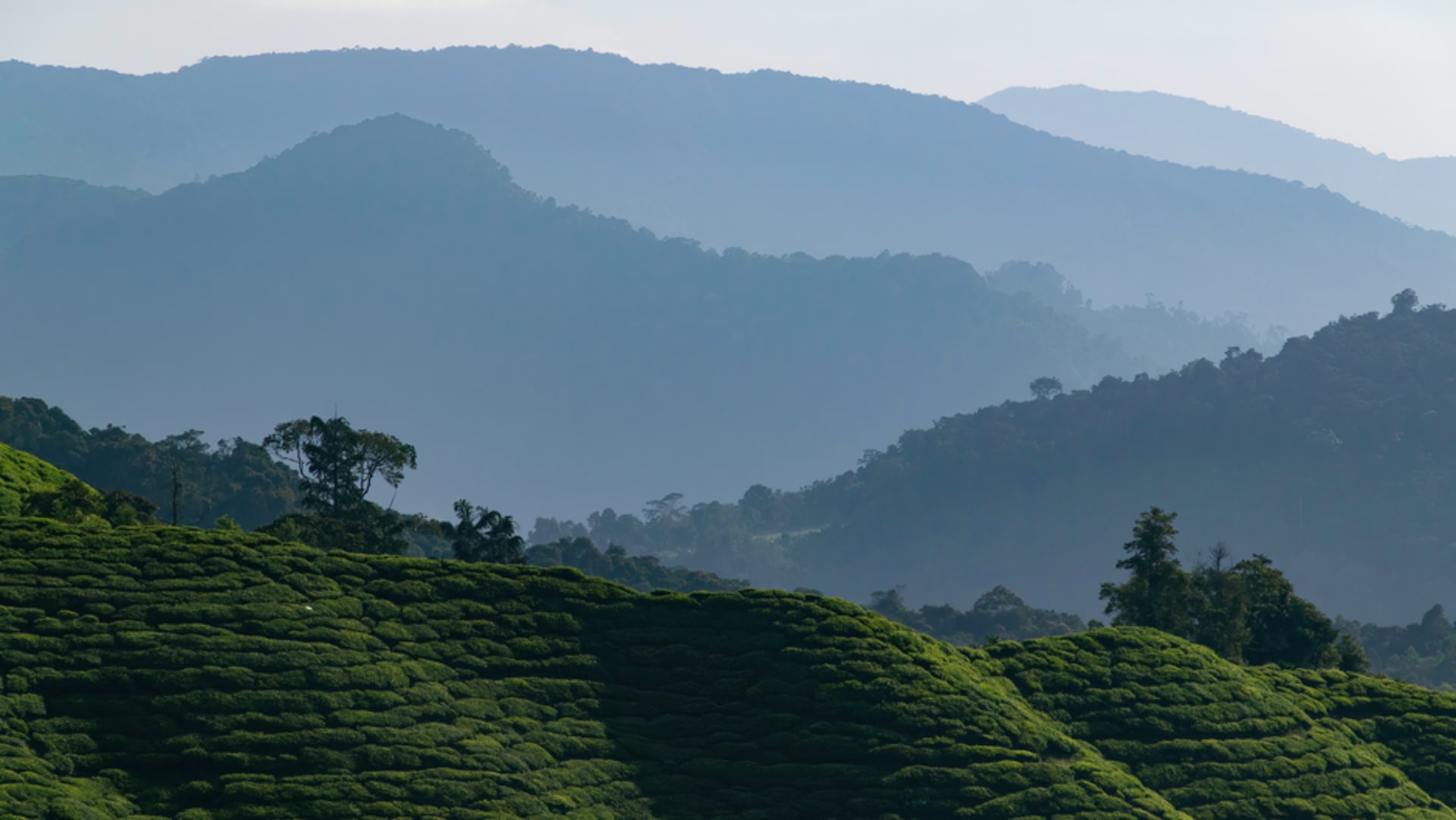
Namosi Highlands
"The gorge walls closed in so tight that for a while the only light came from directly overhead."
A rugged interior province of volcanic gorges and whitewater rivers behind Pacific Harbour, where village-run rafting trips and a single mining road are the only ways in.
Namosi is one of those places on the Fiji map that looks close to everything and is reachable by almost nothing. It sits in the mountainous interior behind Pacific Harbour, a province of maybe three thousand people spread across villages connected by a single unsealed road that also happens to serve a large copper exploration lease, which means the road exists mostly because of mining logistics rather than tourism, and it shows in every rattling kilometer of it.
We went for the whitewater, specifically a full-day rafting trip down the Wainikoroiluva River organized through a village cooperative in Nakavu, one of the few community-run outfits that puts rafting revenue directly back into the villages whose land the river runs through rather than into a Suva-based tour company’s accounts. Our guide, a wiry, constantly grinning man named Sailasa who had been running this stretch of river since he was a teenager, spent the drive in explaining that the gorge we were about to enter had never been logged or mined despite everything happening around it, largely because the villages had organized to protect it as a joint asset once they understood what tourism revenue from an intact river could mean compared to a one-time timber payout.
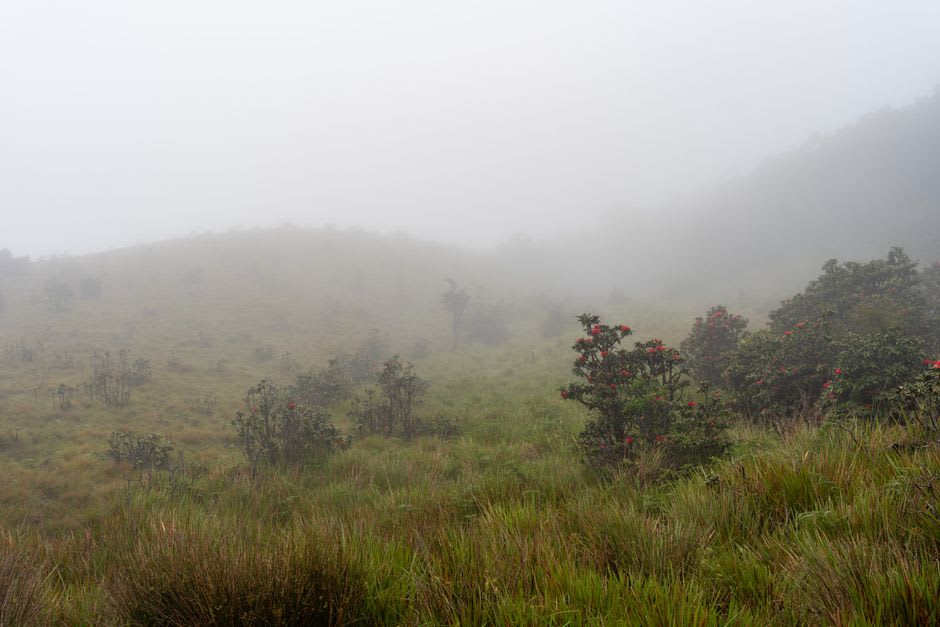
The gorge itself is genuinely dramatic, basalt walls rising sometimes eighty meters on either side of a river maybe fifteen meters wide, waterfalls dropping directly into the current from ledges overhead, the whole thing so narrow in places that Sailasa had to call out timing for when to duck under low rock overhangs. The rapids are class II and III mostly, manageable for a first-timer, but the setting does most of the work — floating a calm stretch between rapids with sheer rock on both sides and a single shaft of midday sun cutting straight down into the gorge is one of those moments that photographs badly and lodges permanently in memory instead.
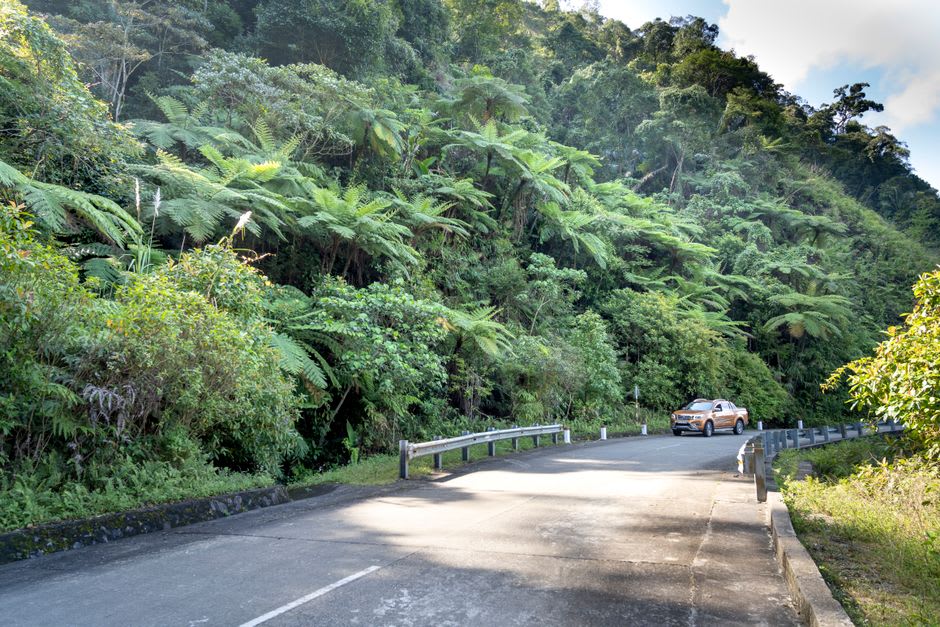
We ended the day at Namuamua village, where the rafting cooperative is based, and stayed for a lunch of freshwater prawns caught that morning by two boys who could not have been older than ten, cooked in coconut milk over an open fire by Sailasa’s mother while a group of village elders debated something in Fijian that Sailasa translated, laughing, as an argument over whose grandfather had actually first taught outsiders to navigate this stretch of river. The province has been the subject of ongoing tension over the copper prospecting lease for years, and Sailasa was candid about it in a way I appreciated rather than the sanitized version a formal tour company might have offered — villages divided over whether mining royalties or river-based tourism represented the better long-term bet for a place with genuinely few other economic options.
When to go: May through October for safer river levels and a lower chance of the access road washing out; rafting trips typically pause entirely during the heaviest of the wet season from December through March when the river runs too high and fast.
Keep exploring
More from Fiji
 fiji
fiji Namotu Island
A speck of an island off Nadi that punches wildly above its size for surfers, sitting within paddling distance of some of the best left-hand reef breaks on Earth.
Explore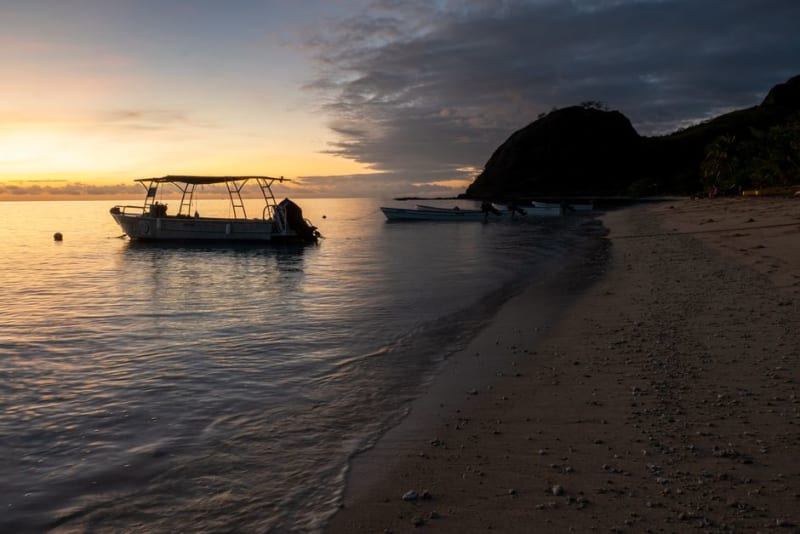 fiji
fiji Namuamua Village
A highland village reachable only by bamboo raft down the Navua River, where the gorge opens into farmland and the pace of the day is set by the current.
Explore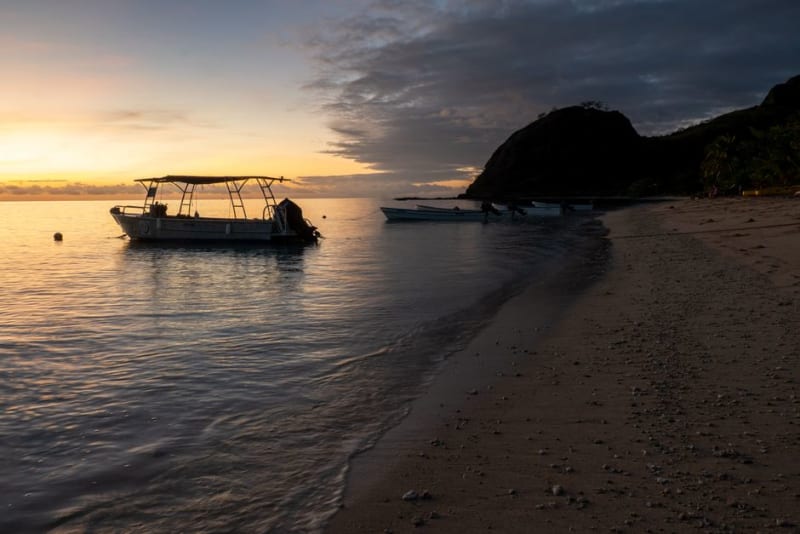 fiji
fiji Namuana Village
A Kadavu village famous for a turtle-calling legend passed down through its women, sung to the sea on the rare occasions the ceremony is still performed.
Explore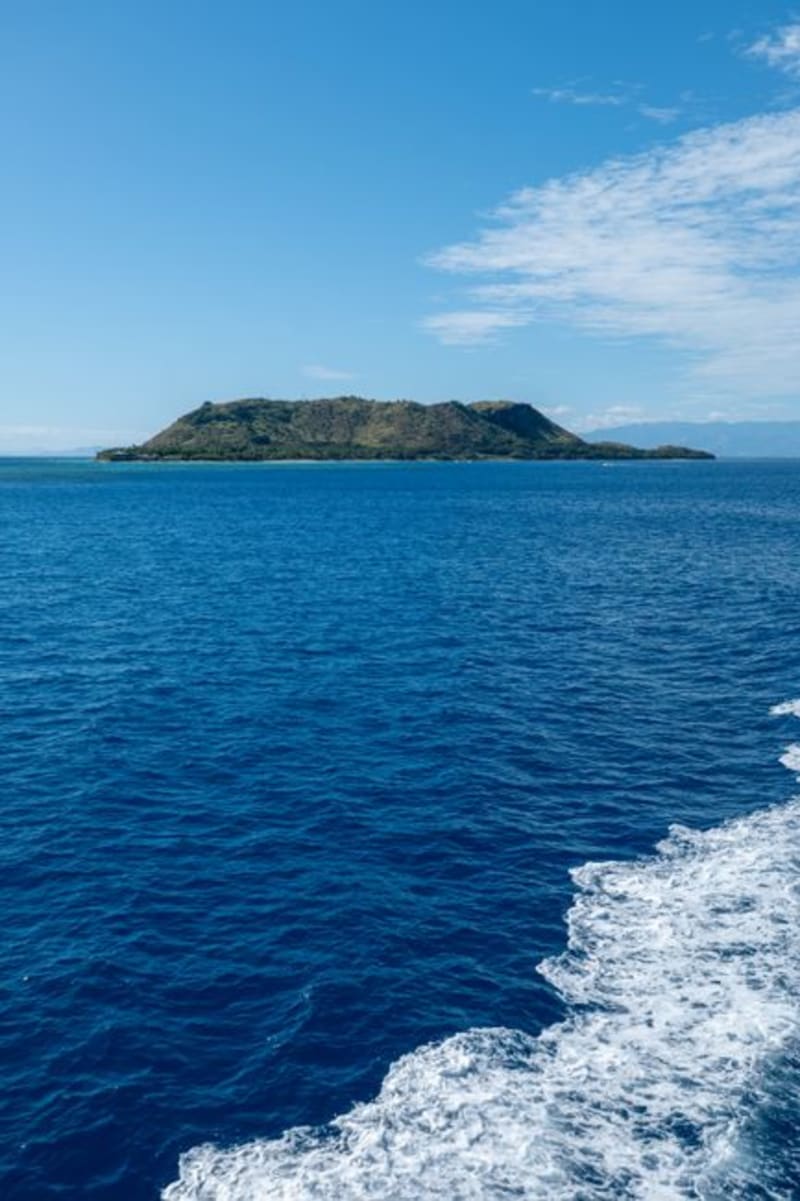 fiji
fiji Nananu-i-Ra Island
A small, roadless island off Rakiraki where the trade winds funnel through the channel and turn the water into a kitesurfer's dream.
Explore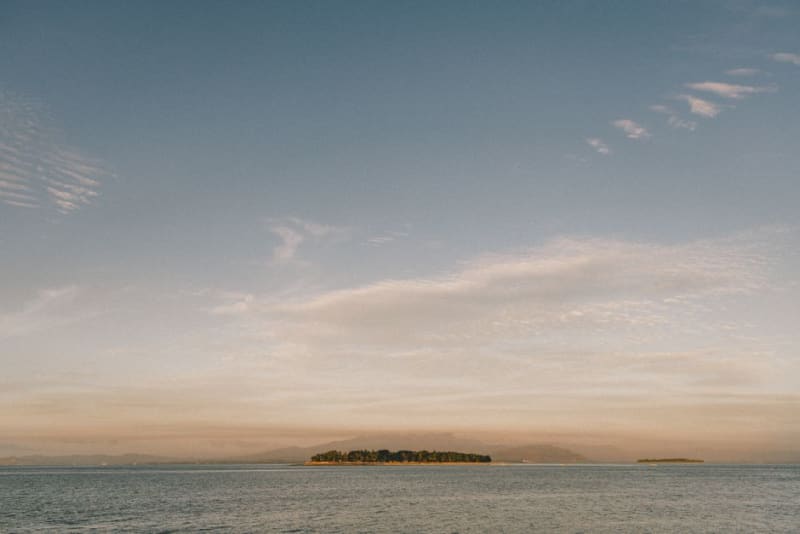 fiji
fiji Nanuya Lailai Island
The island that gave the Blue Lagoon its name, where a single beach curves between two shades of impossible blue and a small village keeps the film's legacy at arm's length.
Explore fiji
fiji Natadola Beach
A wide crescent of white sand on the Coral Coast's western edge, kept undeveloped enough that horseback rides down the beach still outnumber sunbeds.
Explore