Nairai Island
"The boat captain asked, twice, if we were certain, in a tone that made me briefly reconsider whether I was."
A remote, rarely visited island at the southeastern edge of the Lomaiviti group, reached by an infrequent cargo boat and defined by a lagoon almost nobody outside Fiji has heard of.
Nairai sits at the southeastern edge of the Lomaiviti group, closer in practice to Gau and the open sea beyond than to any well-travelled route, and reaching it meant boarding one of the irregular cargo boats that run out of Suva carrying flour, rice, roofing iron, and, on the day we went, one very confused-looking pig in a crate. The crossing took most of a day, and the captain, a weathered man who’d clearly done this run a thousand times, asked us twice during boarding whether we were sure this was the island we meant, since foreigners apparently show up on the manifest for Nairai perhaps a handful of times a year.
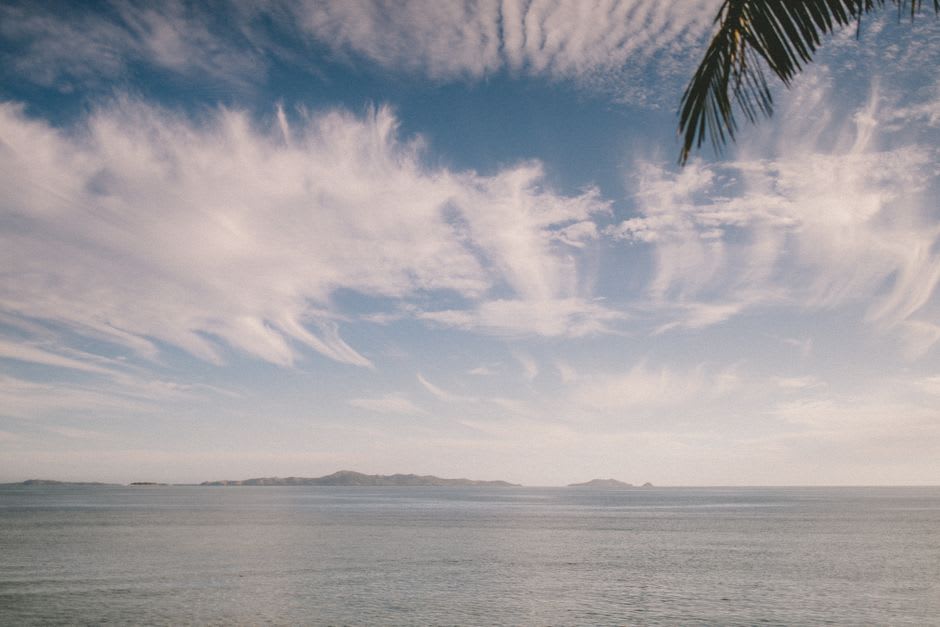
What Nairai offers in return for the effort is a lagoon of a size and stillness that felt genuinely different from anywhere else we’d been in Fiji — a wide, shallow, almost perfectly enclosed body of water protected by a barrier reef, glassy enough on calm mornings to mirror the clouds so precisely that the horizon briefly disappeared. We stayed with a family in the main village, and our host, a fisherman named Simi, took us out most mornings in his small punt to check nets and, without any real ceremony, to show us parts of the lagoon he clearly thought were worth seeing rather than because we’d asked.
The village itself runs on subsistence fishing and small garden plots, largely independent of any tourism economy, and our presence prompted a level of curiosity that felt less like being a novelty and more like being genuinely interesting company in a place where new company doesn’t arrive often. Children followed us for the first day, gradually working up to conversation, and by our last evening had recruited us into a game involving a ball made of rolled pandanus leaves whose rules I never fully understood despite losing at it repeatedly.
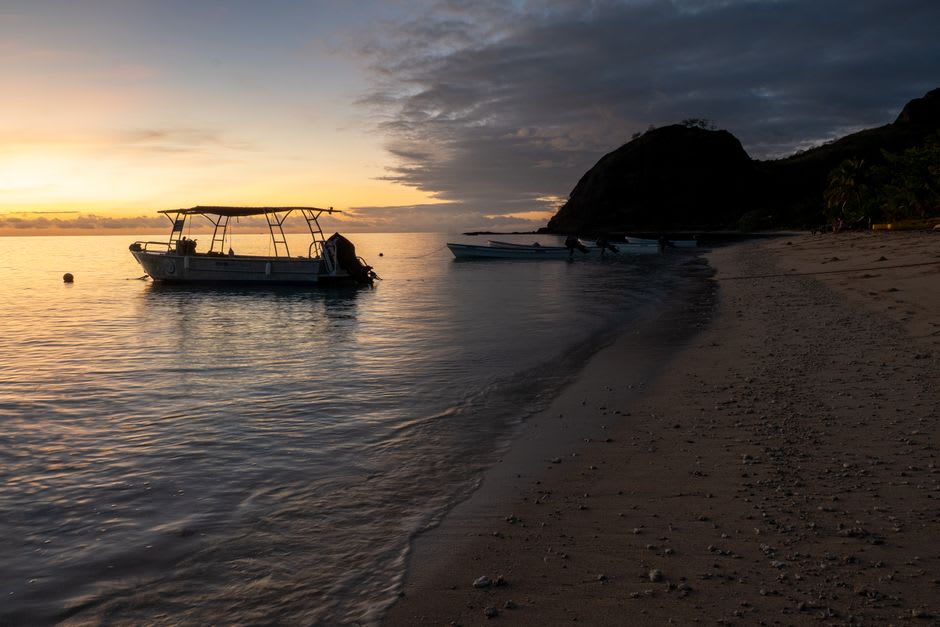
Leaving was more complicated than arriving — cargo boats run on cargo schedules, not passenger convenience, and we ended up staying two days longer than planned waiting for a return trip, which turned out to be one of the better accidents of the entire journey.
When to go: May through October for the calmest crossings on an already unpredictable cargo route. Build significant flexibility into both ends of the trip, since departure dates are never fixed far in advance.
Keep exploring
More from Fiji
 fiji
fiji Namalata Isthmus
The narrow strip of land near Vunisea where Kadavu almost splits in two, with ocean visible on both sides at once and a grass airstrip running down the middle of it.
Explore fiji
fiji Namosi Highlands
A rugged interior province of volcanic gorges and whitewater rivers behind Pacific Harbour, where village-run rafting trips and a single mining road are the only ways in.
Explore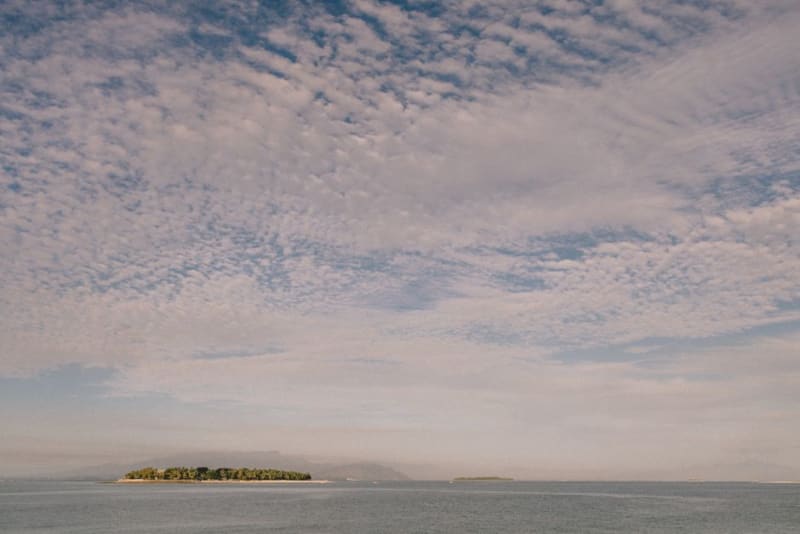 fiji
fiji Namotu Island
A speck of an island off Nadi that punches wildly above its size for surfers, sitting within paddling distance of some of the best left-hand reef breaks on Earth.
Explore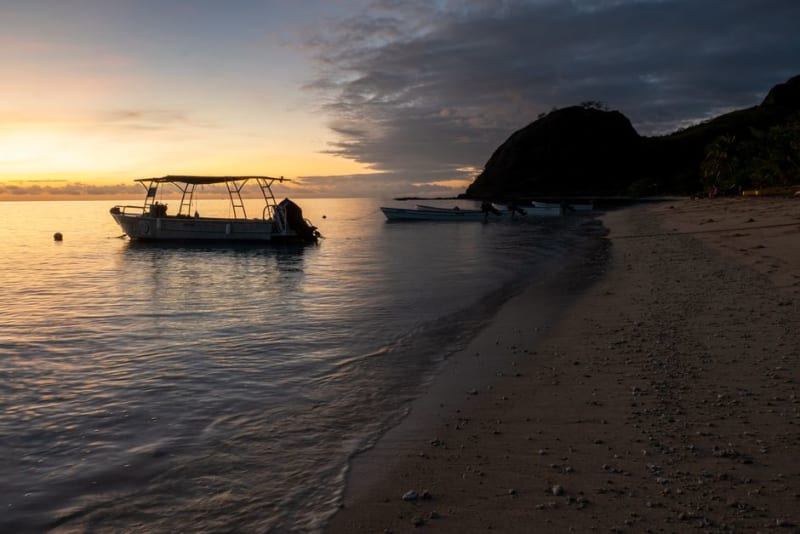 fiji
fiji Namuamua Village
A highland village reachable only by bamboo raft down the Navua River, where the gorge opens into farmland and the pace of the day is set by the current.
Explore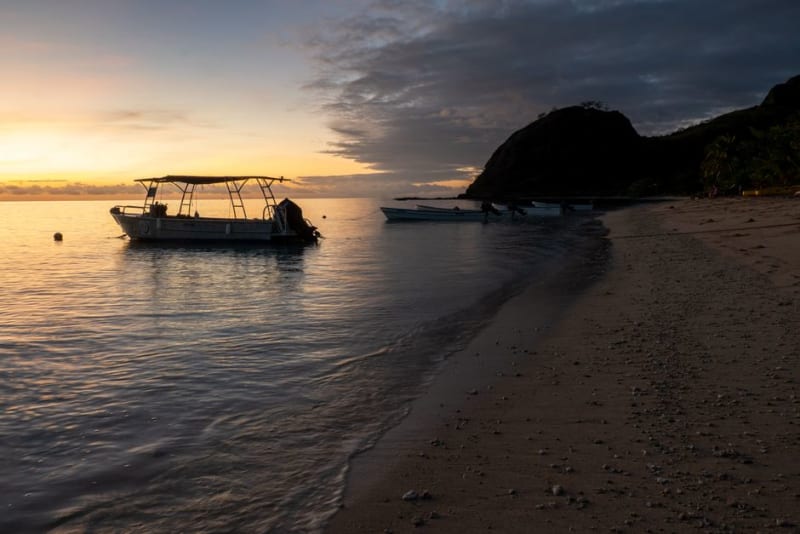 fiji
fiji Namuana Village
A Kadavu village famous for a turtle-calling legend passed down through its women, sung to the sea on the rare occasions the ceremony is still performed.
Explore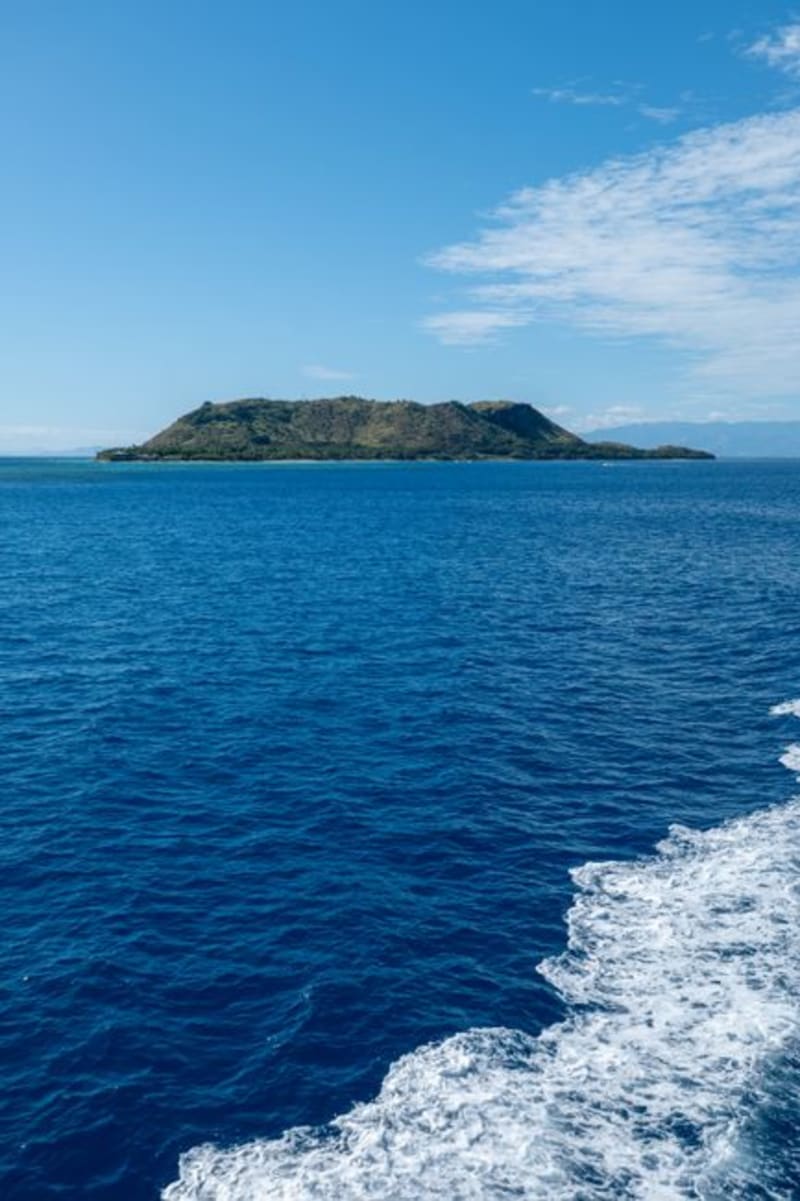 fiji
fiji Nananu-i-Ra Island
A small, roadless island off Rakiraki where the trade winds funnel through the channel and turn the water into a kitesurfer's dream.
Explore