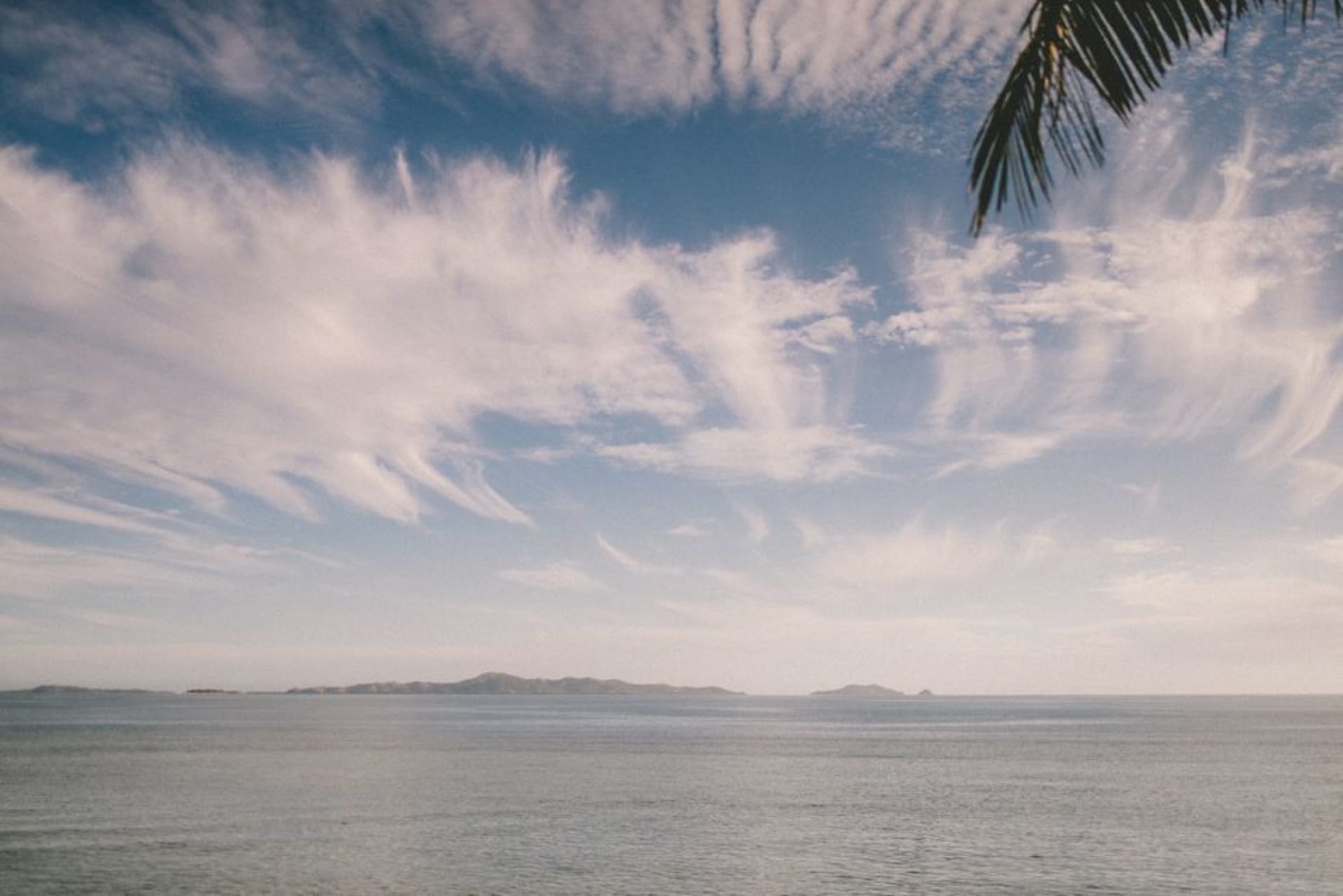
Muanivanua Peninsula
"Standing at the tip of Muanivanua, I could see exactly where the sheltered reef ended and the real Pacific began."
The remote, wind-battered eastern tip of Kadavu, where the Great Astrolabe Reef meets open ocean and a lighthouse keeper's family are among the only permanent residents.
Muanivanua is the easternmost point of Kadavu, a narrow, exposed peninsula where the Great Astrolabe Reef finally runs out and the protected waters it creates give way to open Pacific swell. Getting there took most of a day — a boat along Kadavu’s southern coast to a village within walking distance, then a hike of a couple of hours along a coastal track that alternated between forest and exposed headland, the wind picking up noticeably the further east we went, until we came out at a lighthouse standing alone against a horizon with nothing else in it.
The lighthouse is maintained by a Fijian family who have lived at the point for two generations, and the keeper at the time, an older man named Tevita, met us with the unhurried hospitality I’d come to expect on Kadavu but with an extra layer of something like relief at having actual company — Muanivanua doesn’t get many visitors, and fewer still who make the walk rather than arriving by the occasional supply boat. He showed us the light mechanism with evident pride, still hand-wound in part despite some modern additions, and told us about the ships that used to misjudge the reef’s edge here before the light went up, a history he recited with the specificity of someone who had heard it many times from his own father.
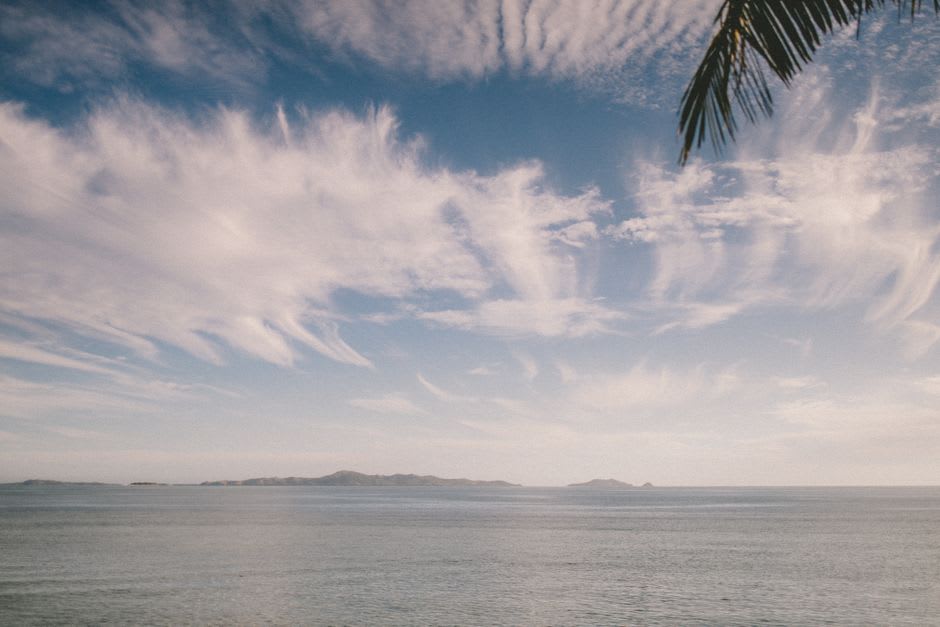
The point itself is a dramatic, almost violent contrast to the calm lagoon diving elsewhere on Kadavu — waves from the open Pacific hit the reef’s edge here with real force, throwing spray high enough to catch the wind and drift back over the headland, and the water beyond the reef’s final line drops rapidly into a deep, dark blue that looks nothing like the turquoise most people picture when they hear the word Fiji. Tevita told us the fishing directly off the point, for those willing to cast into that kind of water, brings in species that never come inshore — wahoo, mahi-mahi, the occasional marlin sighting that gets talked about at every village gathering for months afterward.
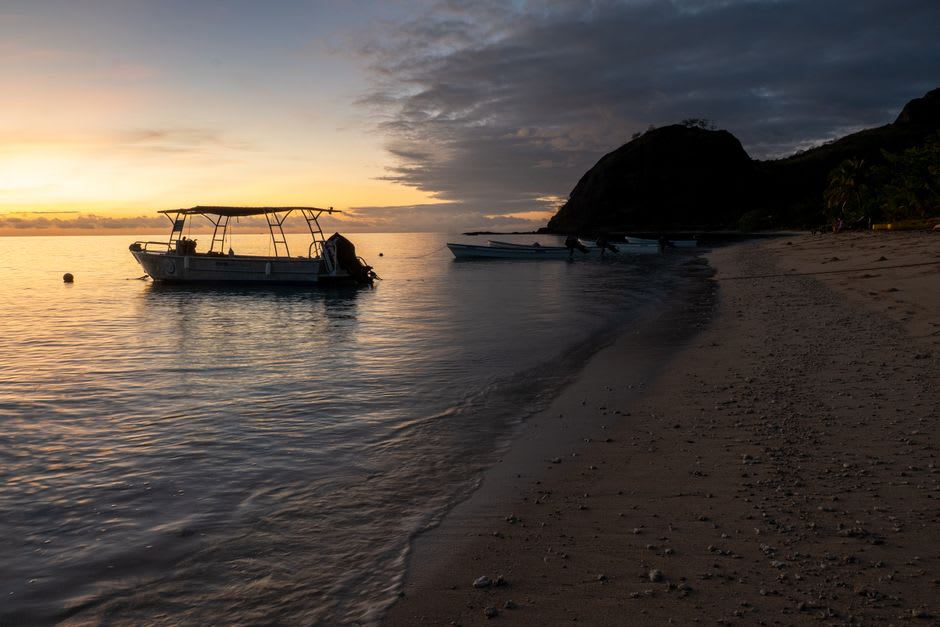
We stayed the night in a spare room the family kept for the rare traveler who made it this far, falling asleep to a wind that never really stopped and a surf sound entirely different from the gentle lagoon lapping I’d gotten used to elsewhere on the island. Tevita’s grandchildren, visiting from Suva for the school holidays, spent the evening trying to teach me a card game whose rules seemed to change every time I started winning.
When to go: May through October for a safer, more comfortable walk out and calmer conditions at the point itself, though “calm” here is relative — this is the exposed side of Kadavu regardless of season. Arrange the visit through a village host in advance; there’s no accommodation to simply show up to.