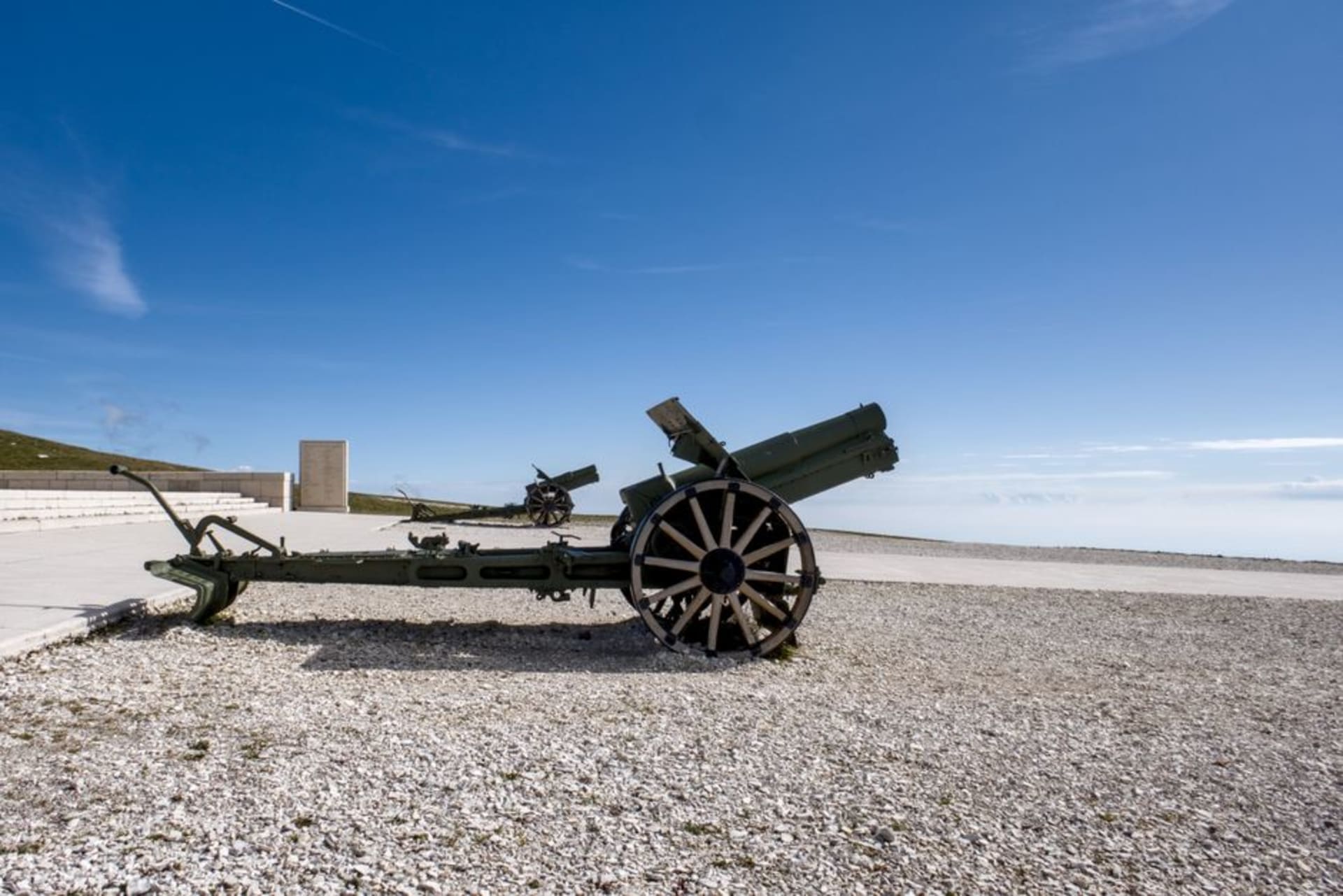
Momi Bay Guns
"Two New Zealand guns, aimed at a channel the Japanese never sailed into. The best defense, it turns out, is the one you never have to use."
A pair of rusting WWII coastal artillery guns above Momi Bay, still aimed at the reef passage they were built to defend.
I found Momi Bay by accident, looking at a map for a shortcut between Nadi and the Coral Coast, and noticed a tiny marker labeled “WWII Guns” with no further explanation. Curiosity won. The site sits on a headland above Momi Bay, about a forty-minute drive south of Nadi, and it turns out to be one of the better-preserved coastal defense installations left over from the Pacific War — two six-inch guns installed by New Zealand forces in 1941 to cover the reef passage that was considered the most likely route for a Japanese naval approach to Nadi Bay, had the war gone differently in the Pacific.
The guns themselves are exactly what you’d hope: enormous, rust-streaked barrels still angled out over the water on their concrete mounts, flanked by the crumbling remains of ammunition bunkers and observation posts cut into the hillside. A caretaker who lives on-site showed us around for a small donation, walking us through the underground magazine — low-ceilinged, damp, smelling of old concrete — where shells were stored before being winched up to the gun platforms. He told the story with the specific pride of someone whose own relatives had served in the local defense force alongside the New Zealanders, standing watch over a channel that, as it turned out, no enemy ship ever tested.
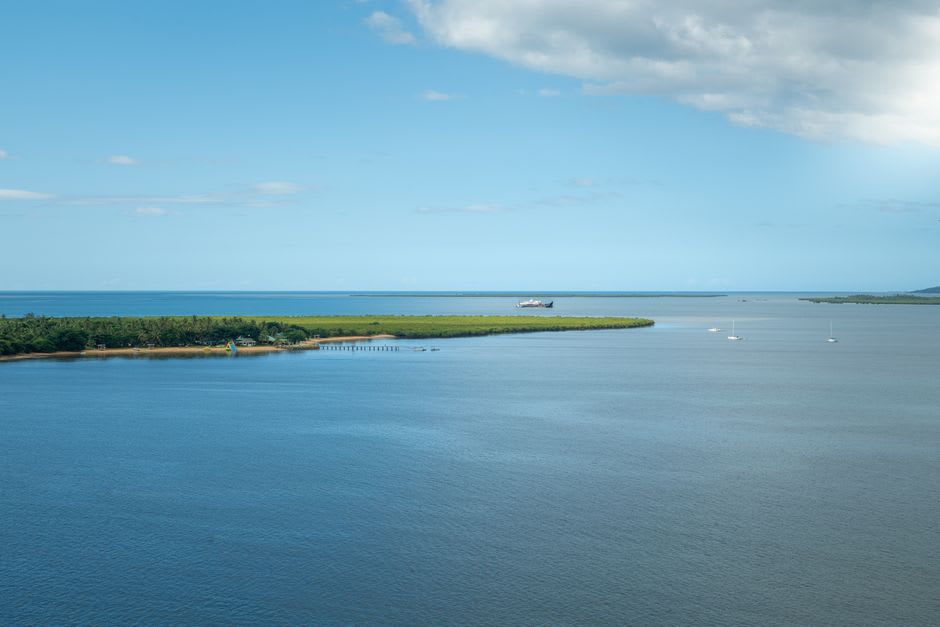
What makes the site worth the detour isn’t really the military history, though that’s a genuinely under-told chapter of Fiji’s story — the islands were a real strategic anchor point in the Pacific theater, and thousands of Fijians served, some in the famed Fiji Infantry Regiment that fought in the Solomon Islands. It’s the view. The headland looks straight out over Momi Bay’s reef system, the water shifting through six shades of blue over the coral shelf, and there’s something almost funny about standing next to a weapon of war built to guard a scene this serene. Lia pointed out that the guns never fired a shot in anger, and somehow that made the whole place feel less grim than it had any right to, an entire installation built and staffed and maintained for a threat that politely never showed up.
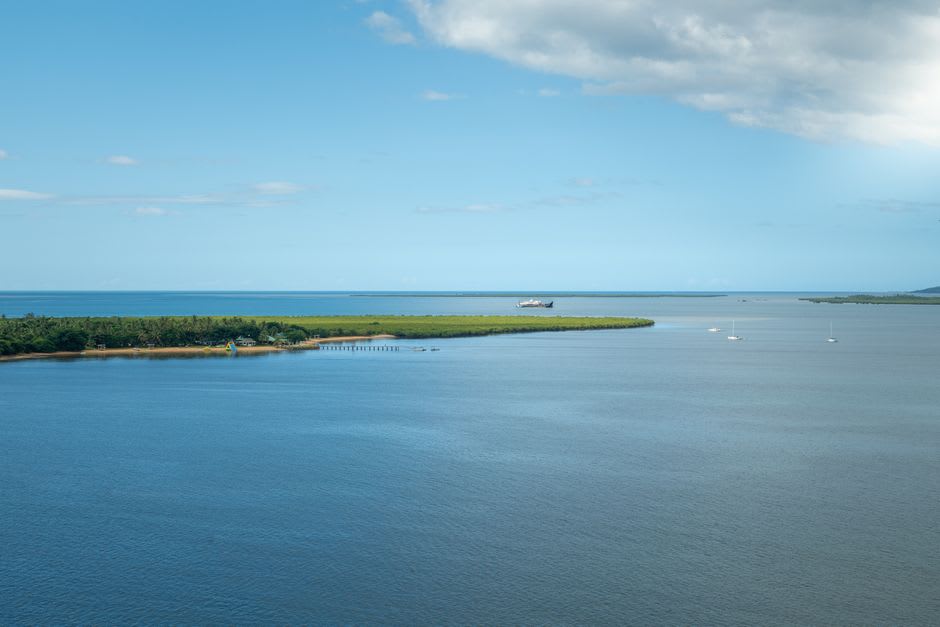
We stayed for the sunset, which lit up the reef passage in a way that made the whole detour worth it even without the history, and drove back to Nadi in the dark with the windows down.
When to go: Accessible year-round, best combined with a day trip to nearby Natadola Beach. Late afternoon gives the best light for the view over the bay and cooler temperatures for the short walk up to the emplacements. Bring cash for the caretaker’s donation, as there’s no formal ticket booth.
Keep exploring
More from Fiji
 fiji
fiji Moturiki Island
A small island just off Ovalau, connected to it by a shallow causeway at low tide, where a scatter of villages and an unhurried coastline make for one of the easiest day trips in the Lomaiviti group.
Explore fiji
fiji Muanivanua Peninsula
The remote, wind-battered eastern tip of Kadavu, where the Great Astrolabe Reef meets open ocean and a lighthouse keeper's family are among the only permanent residents.
Explore fiji
fiji Nabouwalu
The unglamorous ferry port on Vanua Levu's west coast where the roll-on roll-off boats to Viti Levu leave from, and where waiting for a delayed sailing taught me more about Fijian patience than any guidebook could.
Explore fiji
fiji Nabukelevu
The extinct volcano that dominates Kadavu's western skyline, known to sailors for centuries as Mount Washington, and the traditional villages that still regard its crater with real reverence.
Explore fiji
fiji Nacula Island
The northernmost major island in the Yasawas, where a scatter of volcanic islets called the Bay of Islands and a stretch of empty beach called Long Beach earn their plain descriptive names.
Explore fiji
fiji Nadi
Fiji's chaotic, colourful gateway where Hindu temples and duty-free shops exist in complete, unapologetic harmony.
Explore