Matava
"No road reaches Matava. That, more than anything else, is why it still feels like discovering something."
A solar-powered, off-grid eco lodge on Kadavu's remote southeastern coast, reachable only by boat, that treats a lack of infrastructure as the entire point.
Getting to Matava is its own kind of filter. There’s no road connecting it to the rest of Kadavu — the coastline here is too broken by bays and headlands for one to have ever made sense — so the only way in is by boat from Vunisea, an hour and a half along a coast of green cliffs and hidden coves that made me stop taking photos after the first twenty minutes because I couldn’t keep up with how much there was to photograph. Lia spent most of the crossing pointing at waterfalls dropping straight into the sea from the forest above, unnamed on any map we had.
The lodge itself runs entirely on solar power and rainwater collection, a genuine off-grid operation rather than a marketing label, and the bures are built up a steep hillside with views over a bay so protected it barely shows a ripple even when the open ocean beyond the reef is running a real swell. There’s no wifi in the rooms, spotty signal at best near the main building, and after the first day of mild withdrawal I found I didn’t especially miss it. Dinner is a shared, family-style affair each evening, mostly what the boats brought in that day, and the conversation around the table tends toward diving, because almost everyone staying at Matava is there for one specific reason.
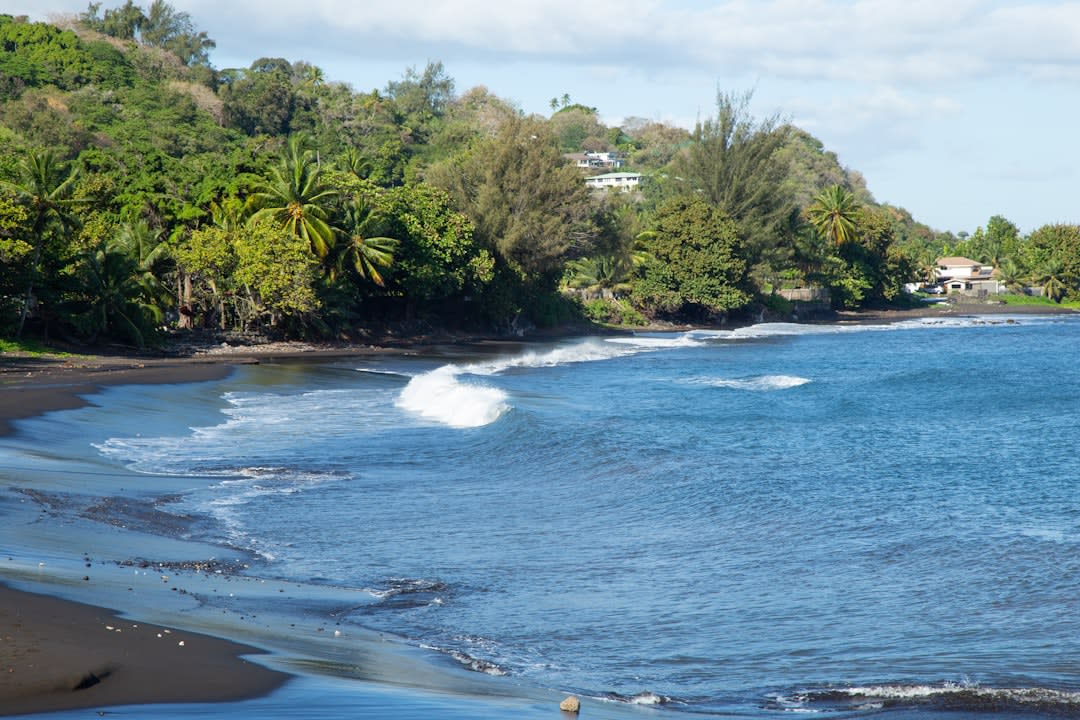
That reason is the stretch of the Great Astrolabe Reef directly offshore, which from this side is accessed by almost nobody else — Matava’s boats reach dive sites in ten or fifteen minutes that would otherwise require a much longer trip from lodges on the western side of Kadavu. I did four dives over two days here, including a wall dive where the reef dropped from six meters to well past recreational limits in a nearly vertical face covered in whip coral and gorgonian fans the size of dinner tables, with a resident population of white-tip reef sharks resting in the sand gutters at the base.
The lodge also runs kayaking trips into the mangrove channels along the coast, and Lia and I spent a slow, hot afternoon paddling one of these, watching mudskippers flick across the exposed roots at low tide and a pair of herons work the shallows with a patience that put our own restlessness to shame. We got lost briefly in a side channel that looked identical from every direction, and eventually just floated until the tide told us which way was out.
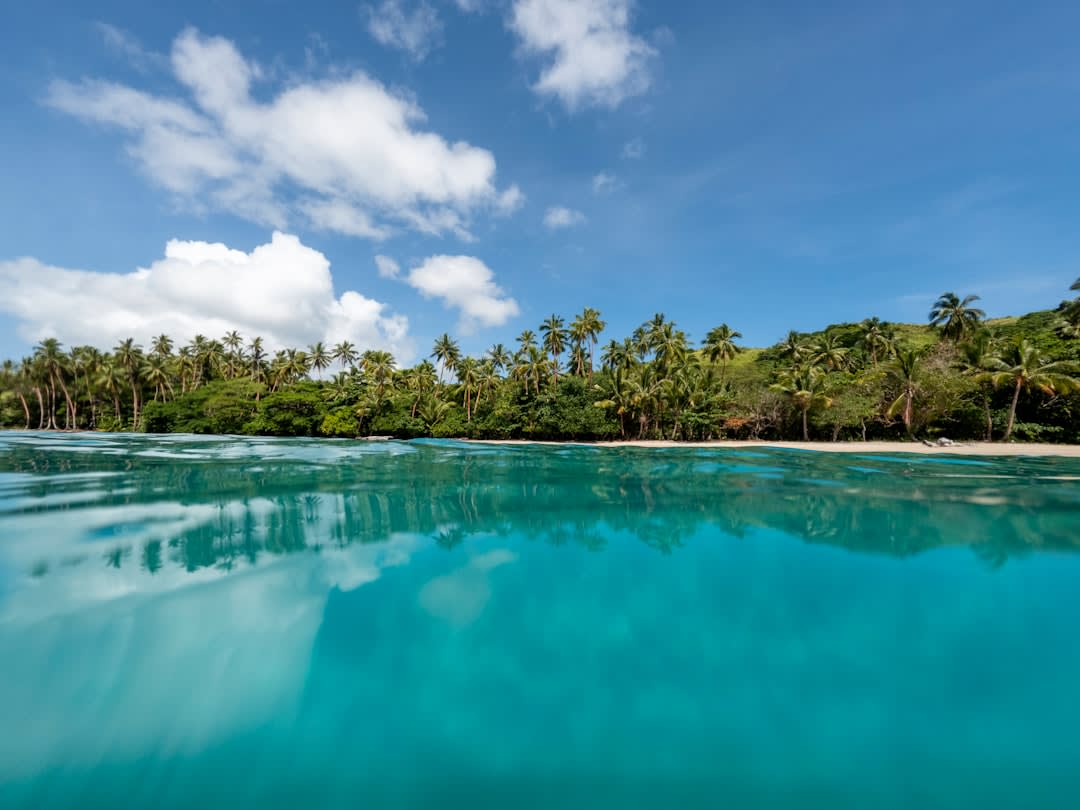
What Matava does well, beyond the diving, is make isolation feel like an amenity rather than a hardship. The staff are almost entirely from the neighboring village, the food is simple and good, and by the second evening the absence of the usual noise — traffic, notifications, other tourists — had done something to my baseline anxiety that I hadn’t noticed building up over the previous few months.
When to go: May through October for the best diving visibility and calmest boat transfers from Vunisea. Book well ahead — the lodge has limited bures and fills with divers during peak dry season, and boat transfers depend on daylight and sea conditions.
Keep exploring
More from Fiji
 fiji
fiji Momi Bay
A wide, wind-exposed bay near the western tip of Viti Levu, home to rusting WWII coastal guns and some of the best kitesurfing conditions in Fiji.
Explore fiji
fiji Momi Bay Guns
A pair of rusting WWII coastal artillery guns above Momi Bay, still aimed at the reef passage they were built to defend.
Explore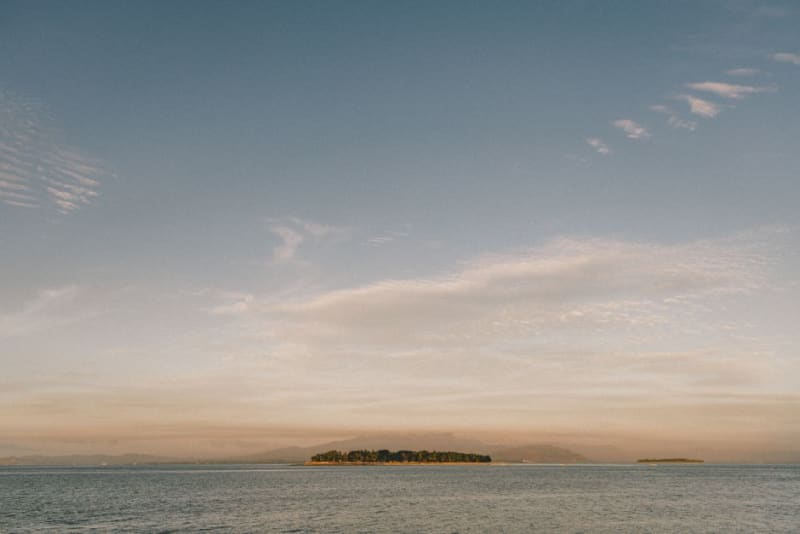 fiji
fiji Moturiki Island
A small island just off Ovalau, connected to it by a shallow causeway at low tide, where a scatter of villages and an unhurried coastline make for one of the easiest day trips in the Lomaiviti group.
Explore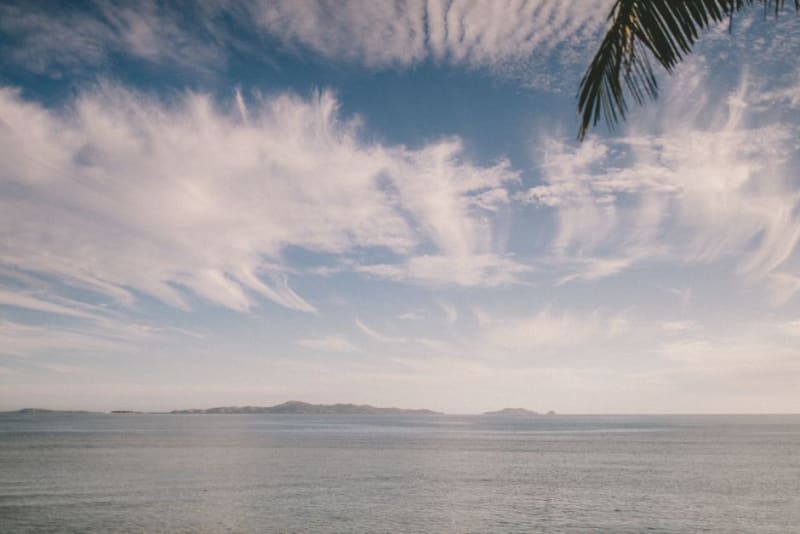 fiji
fiji Muanivanua Peninsula
The remote, wind-battered eastern tip of Kadavu, where the Great Astrolabe Reef meets open ocean and a lighthouse keeper's family are among the only permanent residents.
Explore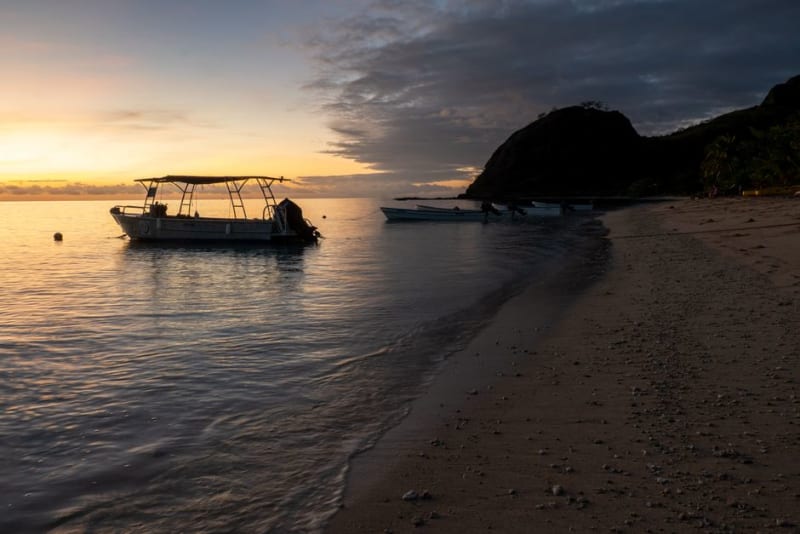 fiji
fiji Nabouwalu
The unglamorous ferry port on Vanua Levu's west coast where the roll-on roll-off boats to Viti Levu leave from, and where waiting for a delayed sailing taught me more about Fijian patience than any guidebook could.
Explore fiji
fiji Nabukelevu
The extinct volcano that dominates Kadavu's western skyline, known to sailors for centuries as Mount Washington, and the traditional villages that still regard its crater with real reverence.
Explore