Malolo Island
"I'd assumed the Mamanucas were all sandbars and resorts until I found myself climbing an actual hill on an actual island with actual villages."
The largest of the Mamanucas, with actual villages, a school, and hiking trails through hills that most day-trippers never learn exist behind the beach resorts.
Malolo surprised me, which is not something I expected to say about an island I’d filed mentally under “resort archipelago, minor variations.” It is by far the largest of the Mamanucas, big enough to have two proper villages — Solevu and Yaro — a primary school, a village council, and hills in the interior that rise steeply enough to require an actual hike rather than a stroll. I’d come expecting another beach-and-bure day trip and left having sweated through a shirt on a ridge trail with a view over half the island chain.
I stayed in Solevu village for two nights through a homestay arranged by a guesthouse owner I’d met in Nadi, and the experience recalibrated everything I thought I knew about the Mamanucas. This is not resort Fiji. Solevu runs on its own rhythm — the village bell for church, kids walking to school in matching uniforms, women weaving mats on the veranda in the heat of the afternoon while gossiping in Fijian faster than I could follow even the rhythm of. My host family fed me cassava and fish three times a day and refused, gently but completely, to let me help with the dishes.
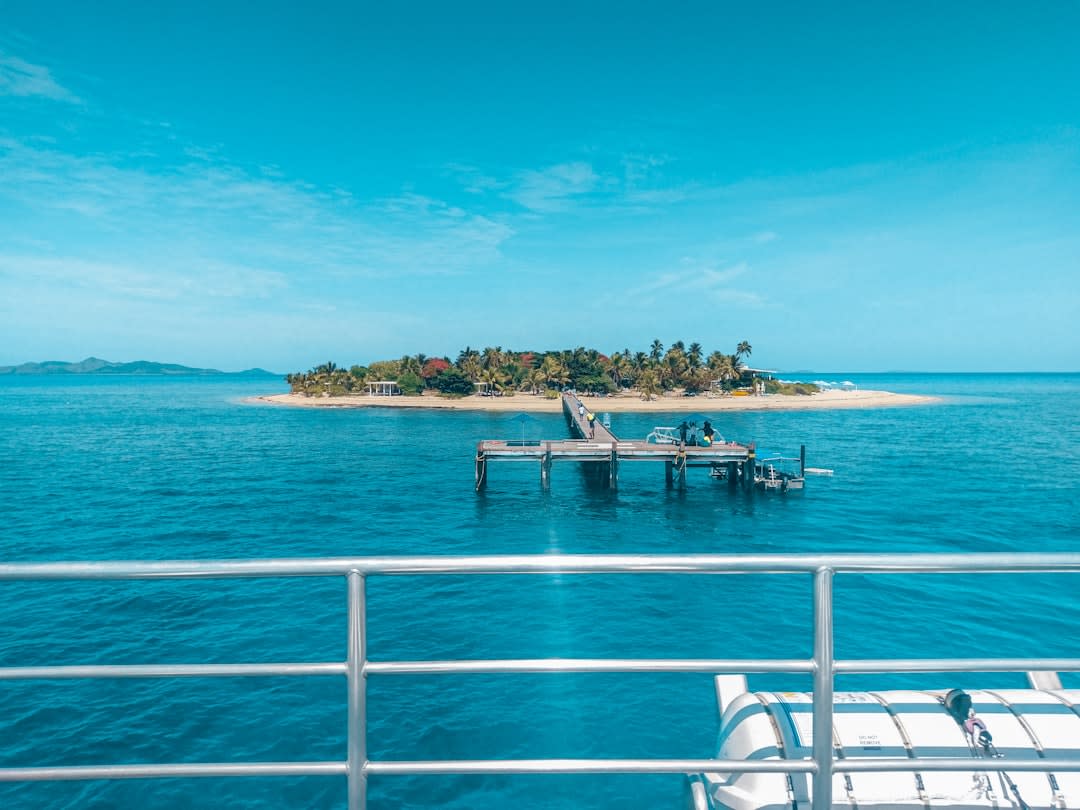
The hike up to the island’s highest ridge starts behind Yaro village and takes about ninety minutes at an unhurried pace, climbing through dry coastal forest that opens periodically onto views of the surrounding reef systems — Castaway and Beachcomber visible as pale smudges to the north, the deeper blue of the open channel toward Malolo Lailai to the south. My guide, a teenager from Yaro named Josaia who clearly could have run the trail in a third of the time, pointed out where his grandfather used to hunt wild goats that were introduced decades ago and have since gone feral across the island’s interior.
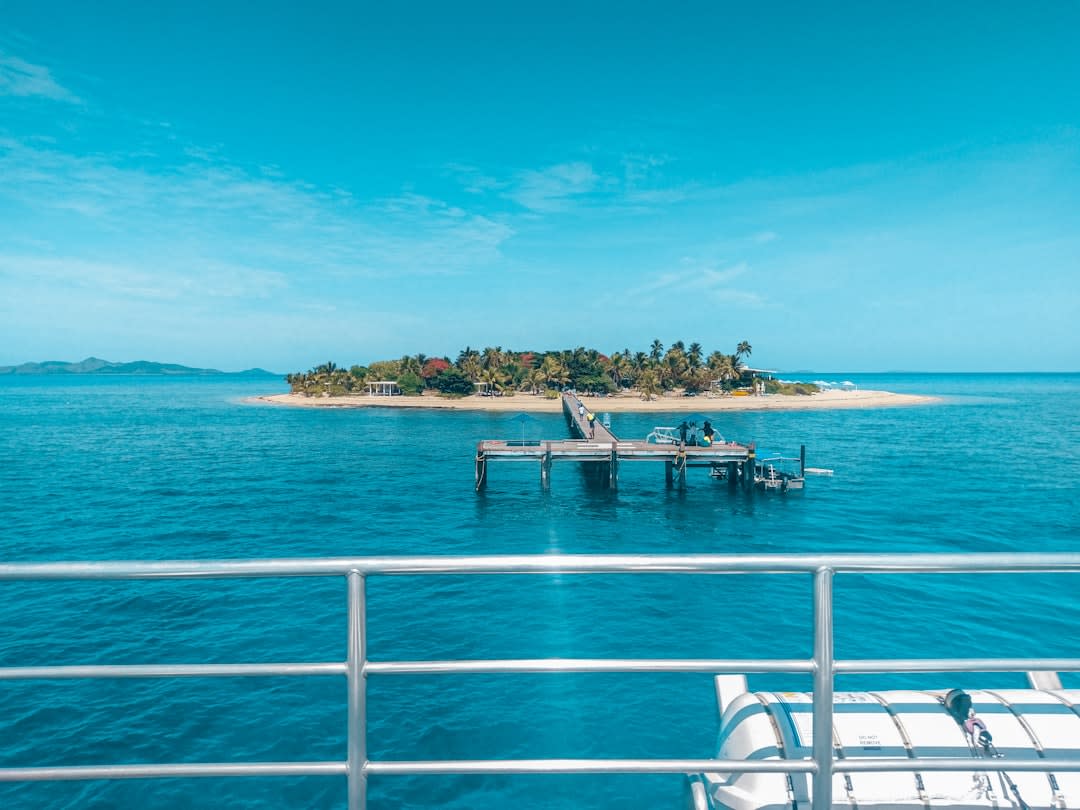
The beaches on Malolo’s western side, facing the resort development at Plantation Island and Musket Cove on the adjoining islet, are quieter than you’d expect given the proximity — the resort guests mostly stay on their own side of the channel, and the village-side beaches belong largely to local families and the occasional wandering traveler like me. I spent one entire afternoon doing nothing more ambitious than reading in the shade of a leaning coconut palm while village kids ran an elaborate game of tag around me that seemed to have no fixed rules and no possible way to win.
When to go: May through October for dry, walkable trail conditions on the interior hike. If you want the village homestay experience, arrange it in advance through a Nadi-based operator — Malolo’s villages are not set up for spontaneous drop-ins the way the resort islets are.
Keep exploring
More from Fiji
 fiji
fiji Malolo Lailai
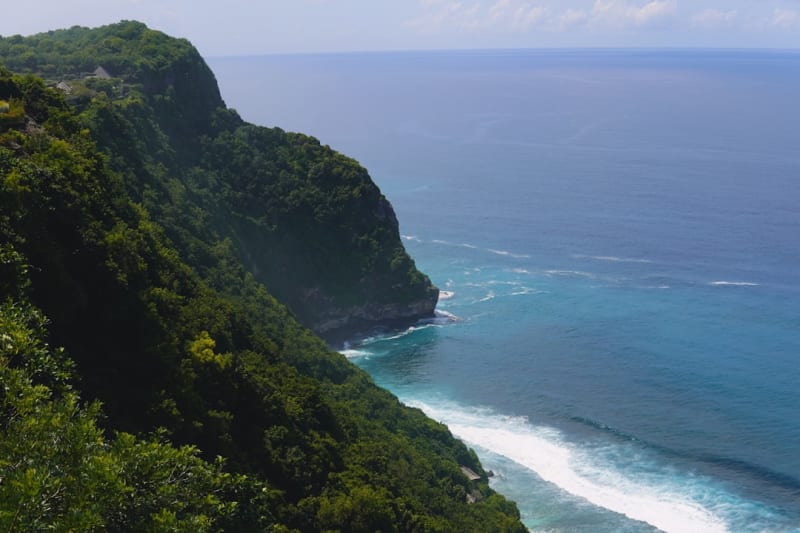
The small islet beside Malolo where Musket Cove's yacht marina and Plantation Island's family resort share a sandbar that appears and disappears with the tide.
Explore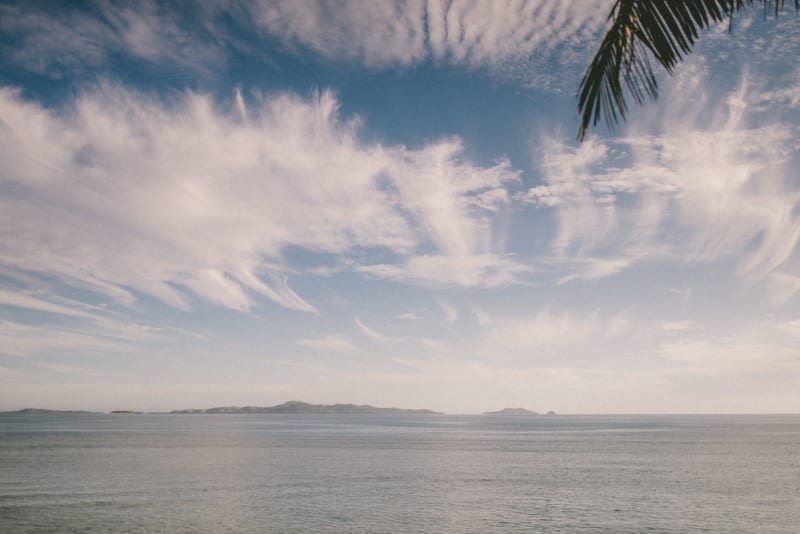 fiji
fiji Mamanuca Islands
Twenty-odd islands floating just off Nadi where the surf at Cloudbreak breaks perfectly and the reef life under the boats makes you question your priorities.
Explore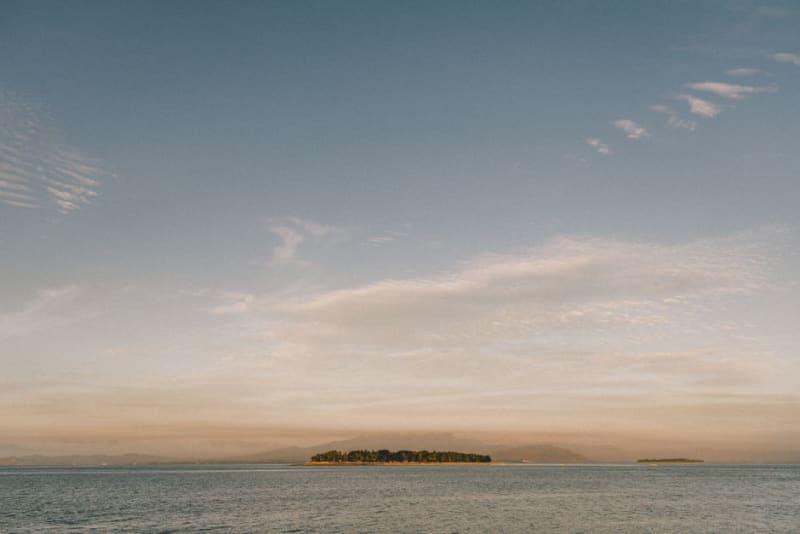 fiji
fiji Matacawalevu Island
One of the quietest inhabited islands in the Yasawas, where a single beach resort and a handful of fishing villages see barely a fraction of the visitors further south.
Explore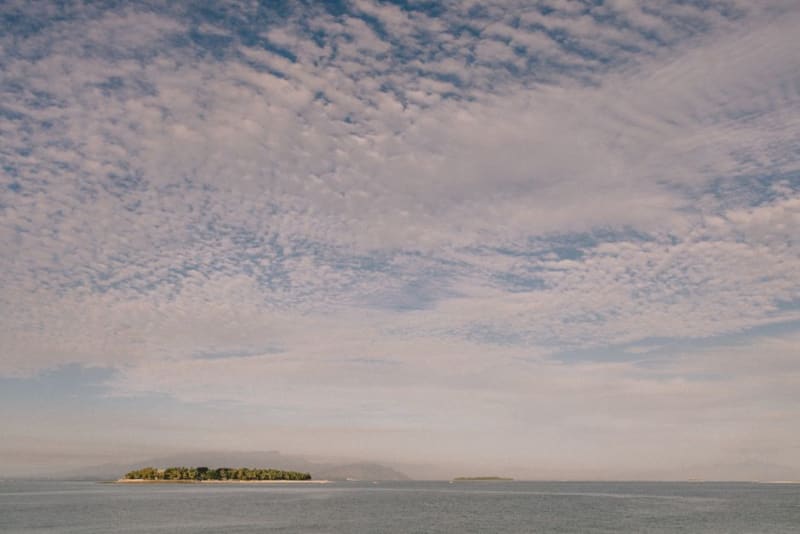 fiji
fiji Matagi Island
A small volcanic crater island off Taveuni shaped almost perfectly like a horseshoe, with one bay, one resort, and water so calm it barely counts as ocean.
Explore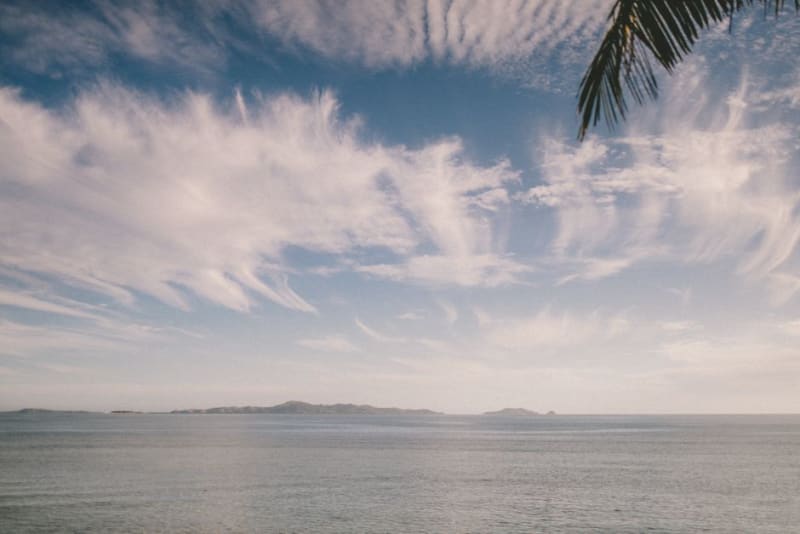 fiji
fiji Matava
A solar-powered, off-grid eco lodge on Kadavu's remote southeastern coast, reachable only by boat, that treats a lack of infrastructure as the entire point.
Explore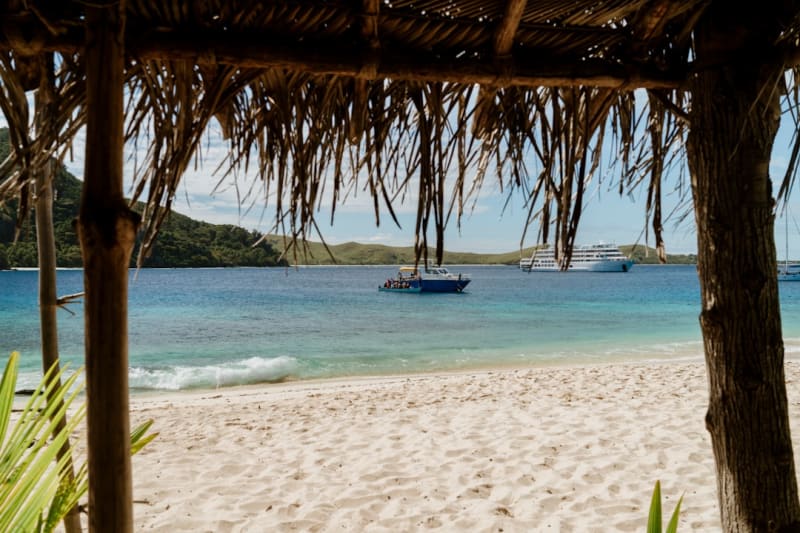 fiji
fiji Momi Bay
A wide, wind-exposed bay near the western tip of Viti Levu, home to rusting WWII coastal guns and some of the best kitesurfing conditions in Fiji.
Explore