Koro Island
"A woman at the market in Koro's main village asked if I was lost. I told her no, I'd come on purpose, and she looked genuinely surprised."
One of the largest islands in the Lomaiviti group and one of the least visited, a long volcanic ridge of copra plantations, waterfalls, and villages that see maybe a handful of foreigners a year.
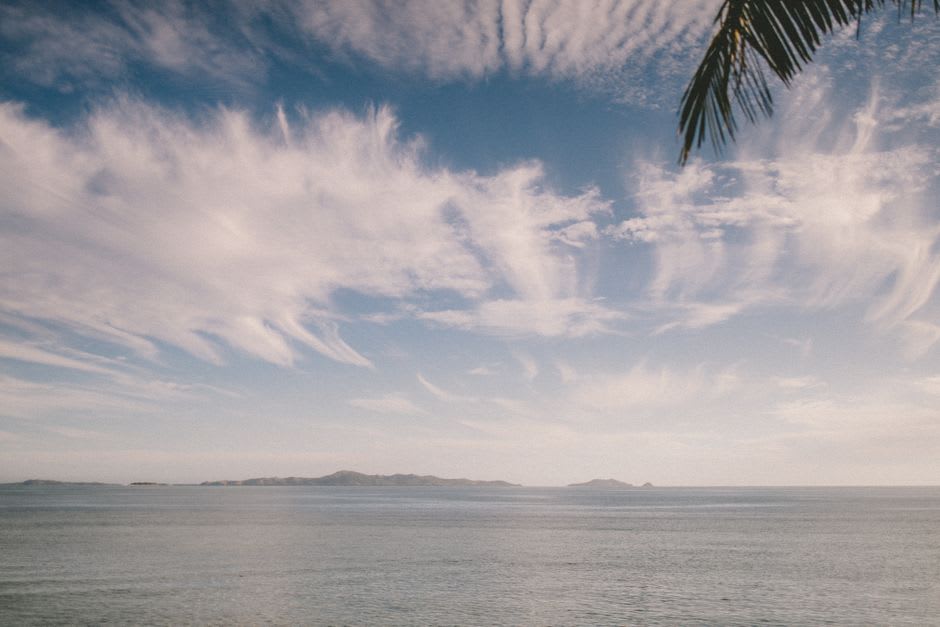
Koro is reachable by an overnight cargo-passenger ferry from Suva, or a short flight to a grass airstrip near the village of Nasau, and either way you arrive somewhere that gets so few visitors that the concept of tourism infrastructure barely applies. There’s no resort strip, no dive shop with a rack of rental gear, no restaurant menu translated for foreigners. What there is instead is a long, ridged island — about fourteen kilometres end to end — covered in coconut plantations that once made Koro one of Fiji’s most productive copra-producing districts, threaded by a single coastal road that connects a chain of villages.
I came with a letter of introduction from a friend in Suva to a family in the village of Nasau, and within an hour of arriving had been fed, given a place to sleep, and included in a sevusevu presenting kava to the turaga ni koro, the village headman, who welcomed me with a formality that made clear this wasn’t a routine occurrence. Over the following days I was walked around the village, introduced to what felt like everyone in it, and repeatedly asked, with genuine curiosity rather than any commercial angle, what had made me choose Koro specifically. I didn’t have a fully satisfying answer beyond a map and a hunch.
The island’s interior holds several waterfalls, the best known near the village of Nabasovi, a two-tiered cascade dropping into a pool cold enough to make the humid walk in worth every uncomfortable minute. A group of village kids adopted me as an unofficial guide charge for the afternoon, running ahead on the trail and doubling back to check I hadn’t fallen behind, and swam circles around me in the pool with an ease that made my own paddling look faintly ridiculous by comparison.
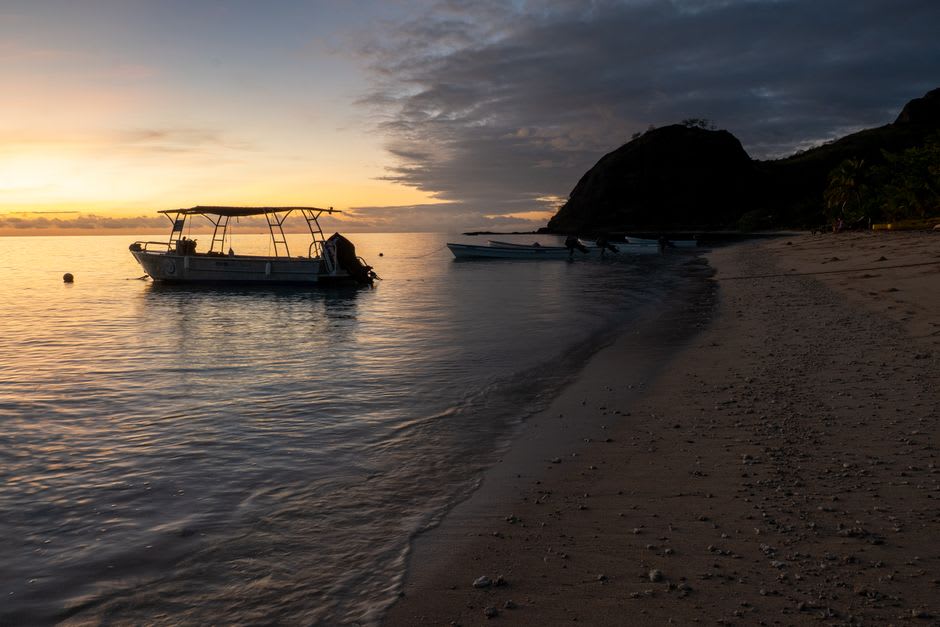
Koro’s reef, mostly along its western and southern edges, is healthy and essentially unvisited by diving operations, though arranging a boat and gear requires asking around the village rather than booking anything in advance. The pace of the whole island runs on planting seasons and church calendars rather than tourist timetables, and adjusting to that took me about two days longer than I expected.
When to go: May through October for the calmest ferry crossings and driest walking conditions to the waterfalls. Cargo ferry schedules shift with demand and weather, so confirm departure dates in Suva a day or two ahead rather than relying on a printed timetable.
Keep exploring
More from Fiji
 fiji
fiji Korotogo
A low-key beach settlement wedged between resort properties on the Coral Coast, where the coastal footpath and a scrappy local surf break outlast the marketing.
Explore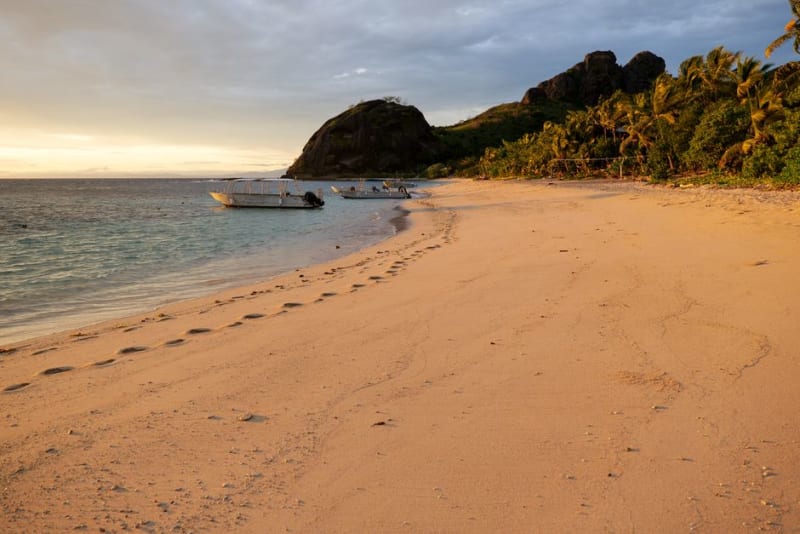 fiji
fiji Kuata Island
The southernmost Yasawa, small enough to circle on foot in an hour, and home to one of the most reliable reef shark dives in Fiji.
Explore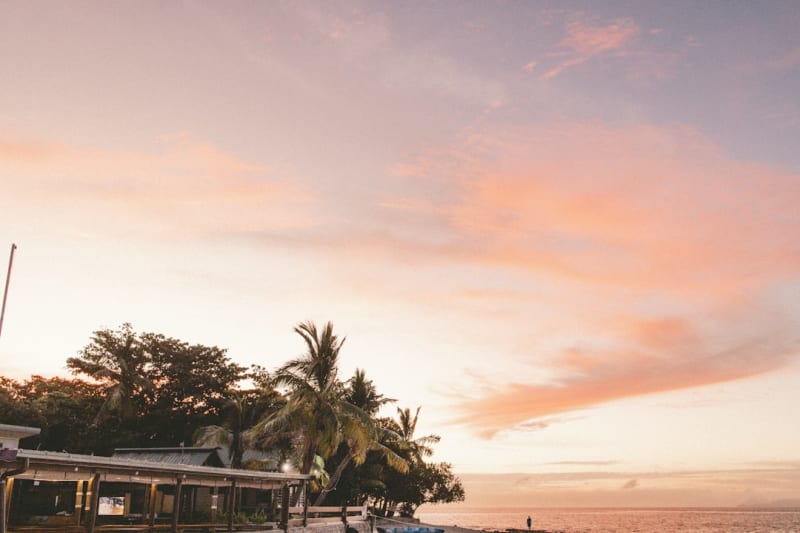 fiji
fiji Lami Town
Suva's scruffy, working waterfront suburb, home to fishing boatyards, the country's best curry houses, and a mangrove foreshore locals actually use rather than photograph.
Explore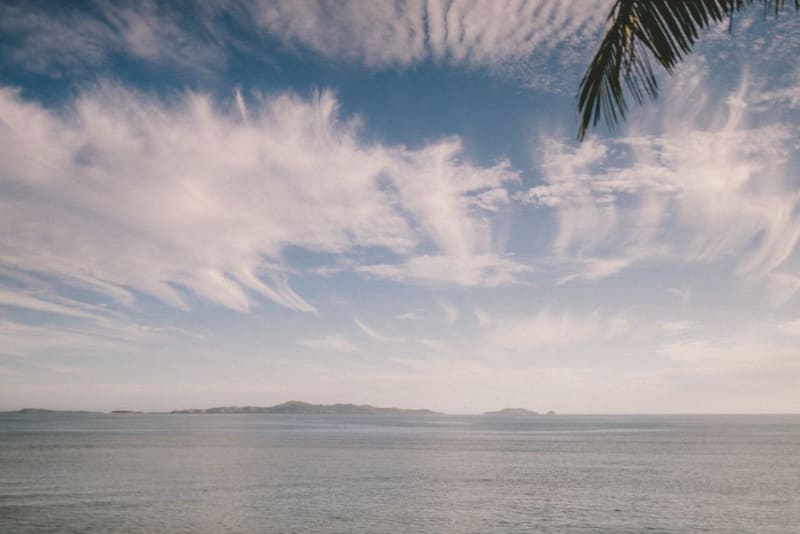 fiji
fiji Laucala Island
A privately owned island off Taveuni turned into one of the most expensive resorts on Earth — worth understanding even if, like me, you're only ever going to see it from a boat.
Explore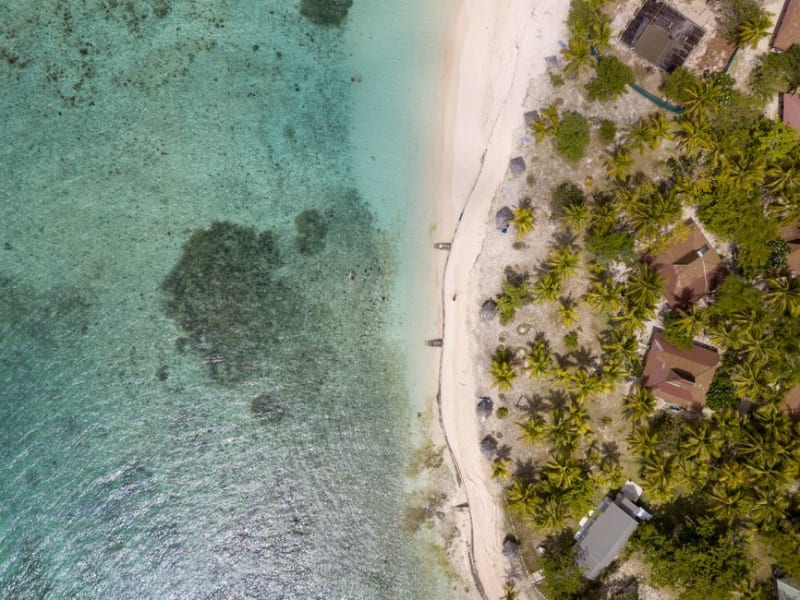 fiji
fiji Lautoka
Fiji's Sugar City, a working port town where cane trains still cross the main road and the market feels built for locals rather than tourists.
Explore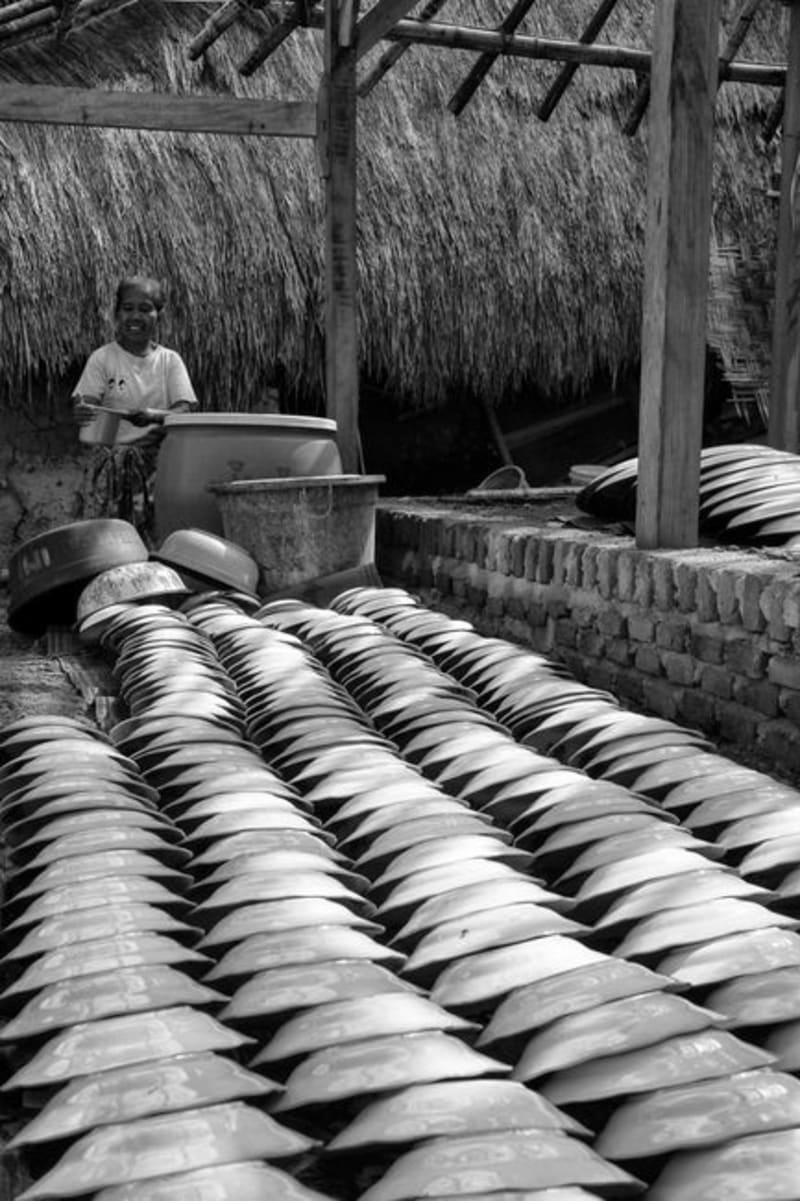 fiji
fiji Lawai Pottery Village
A small village in the Sigatoka Valley where women still shape and fire clay pots using techniques unchanged for centuries, without a wheel in sight.
Explore