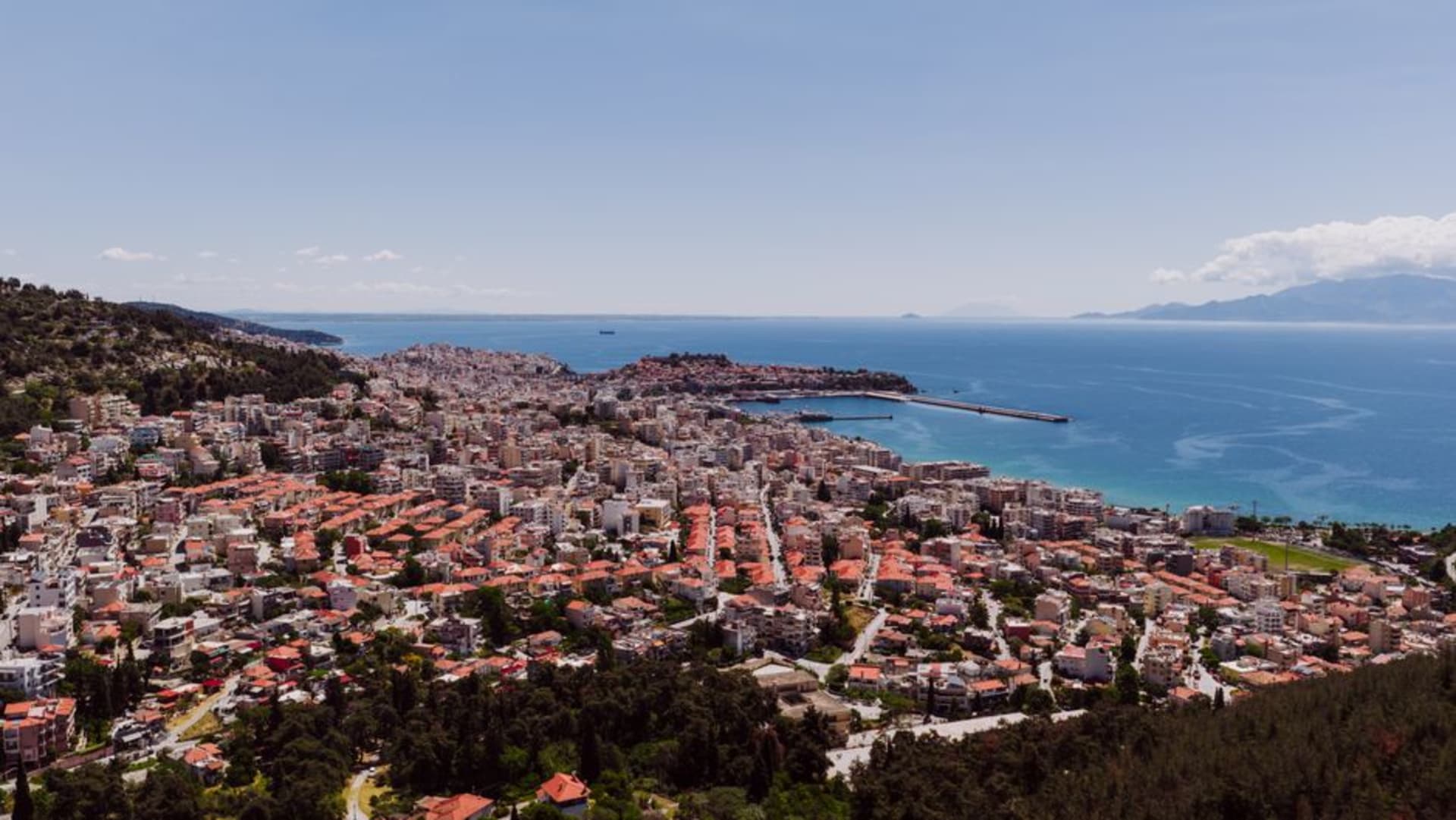
Kavala Bay
"Nobody at Kavala Bay was thinking about the reef that day. Everyone was thinking about the mud crabs, and so, eventually, was I."
A deep, mangrove-fringed inlet on Kadavu's south coast where mud crabbing, not diving, is the main event, and the pace of the day is set by the tide rather than the clock.
Kavala Bay cuts deep into Kadavu’s south coast, a wide, sheltered inlet lined with mangroves rather than the postcard reef most visitors come to the island expecting, and it took me a full day to understand why the villages here regard it as one of the most valuable stretches of coastline on Kadavu rather than a lesser one. The bay is a nursery — for fish, for prawns, and above all for the mud crabs that the surrounding villages harvest with a skill that borders on the encyclopedic.
I went out crabbing with a woman named Merewai and her two teenage sons on a falling tide, wading through knee-deep mud in the mangrove roots while she read signs in the surface — a particular pattern of small bubbles, a slight depression in the mud — that were completely invisible to me and apparently obvious to her. She pulled crabs from burrows with her bare hands at a rate that made my one, half-hearted, unsuccessful attempt at replicating the technique faintly embarrassing, wrapping each crab’s claws with a strip of pandanus leaf before dropping it into a woven basket.
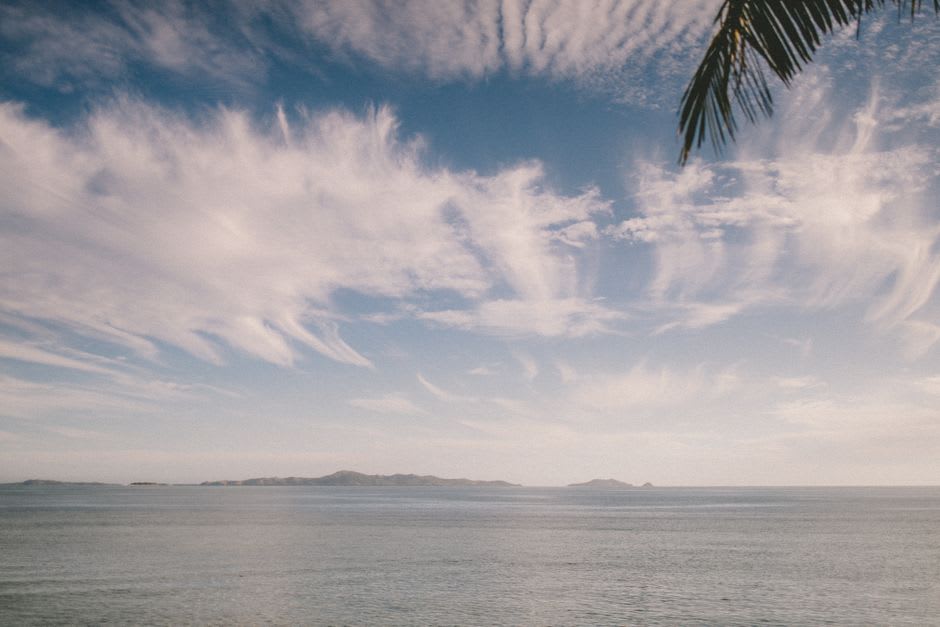
The mangroves themselves are a genuinely different ecosystem from anywhere else I visited on Kadavu — dense, humid, loud with the clicking of unseen crabs and the calls of mangrove-dwelling birds, and threaded with narrow tidal channels that Merewai’s sons navigated by memory in a small dugout canoe, poling us through gaps in the roots that looked, from where I sat, entirely impassable until we were somehow through them. At high tide the whole system floods and becomes navigable by boat almost to the treeline; at low tide it becomes a mudflat that the village works like a garden.
That evening the crabs went straight into a pot with coconut milk, chili, and a handful of bele leaves, and I ate one of the best meals of the entire Fiji trip sitting on a woven mat with Merewai’s family, the youngest son narrating, with real pride, exactly which burrow each crab had come from as if reintroducing old acquaintances.
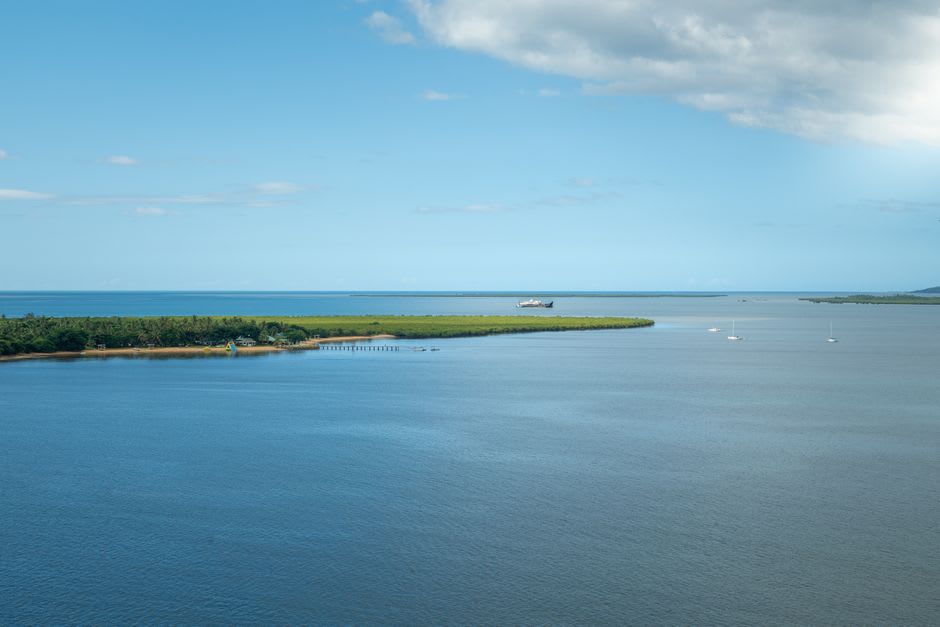
Kavala Bay doesn’t appear on the list of Kadavu highlights that most guides put together, because there’s no dive site, no dramatic viewpoint, no ceremony staged for visitors. What there is instead is a working relationship between a community and a specific, unglamorous stretch of water that has fed them for generations, and an afternoon spent inside that relationship taught me more about how Kadavu actually functions than any reef dive did.
When to go: Year-round, though the crabbing is best planned around a falling tide regardless of season — ask your host to check tide tables before arranging a trip. May through October brings the driest, most comfortable conditions for wading the mangroves.
Keep exploring
More from Fiji
 fiji
fiji King's Road, Tailevu Coast
The winding coastal highway northeast of Suva, strung with copra plantations, mission villages, and roadside stalls, that most visitors only glimpse from a bus window on the way to somewhere else.
Explore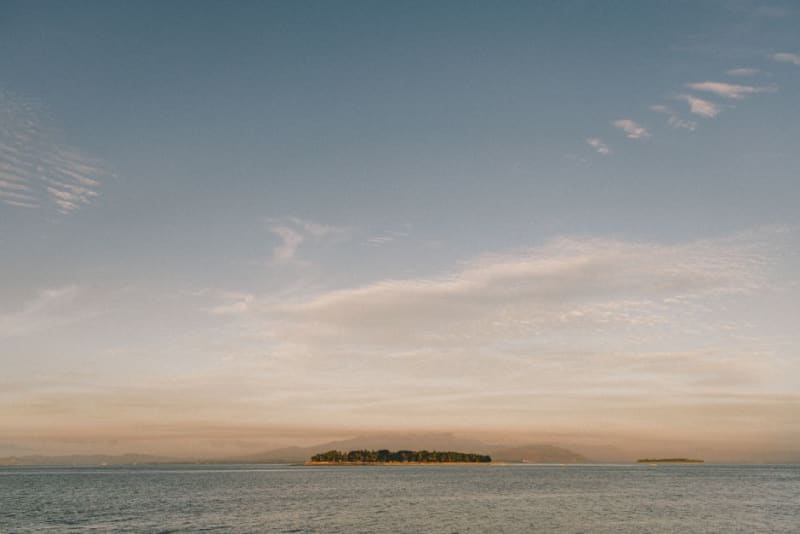 fiji
fiji Kioa Island
A small island off Vanua Levu settled by Tuvaluan islanders in the 1940s, where a Polynesian community lives inside a Melanesian nation and nobody makes a fuss about it.
Explore fiji
fiji Koro Island
One of the largest islands in the Lomaiviti group and one of the least visited, a long volcanic ridge of copra plantations, waterfalls, and villages that see maybe a handful of foreigners a year.
Explore fiji
fiji Korotogo
A low-key beach settlement wedged between resort properties on the Coral Coast, where the coastal footpath and a scrappy local surf break outlast the marketing.
Explore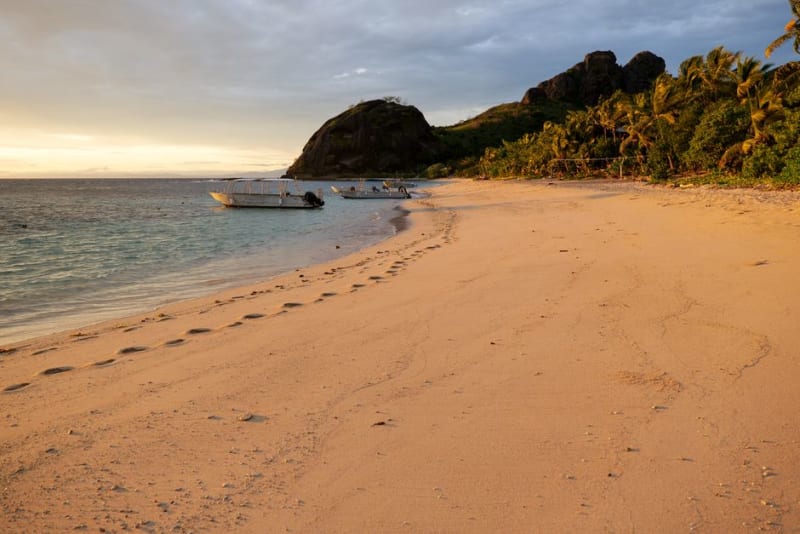 fiji
fiji Kuata Island
The southernmost Yasawa, small enough to circle on foot in an hour, and home to one of the most reliable reef shark dives in Fiji.
Explore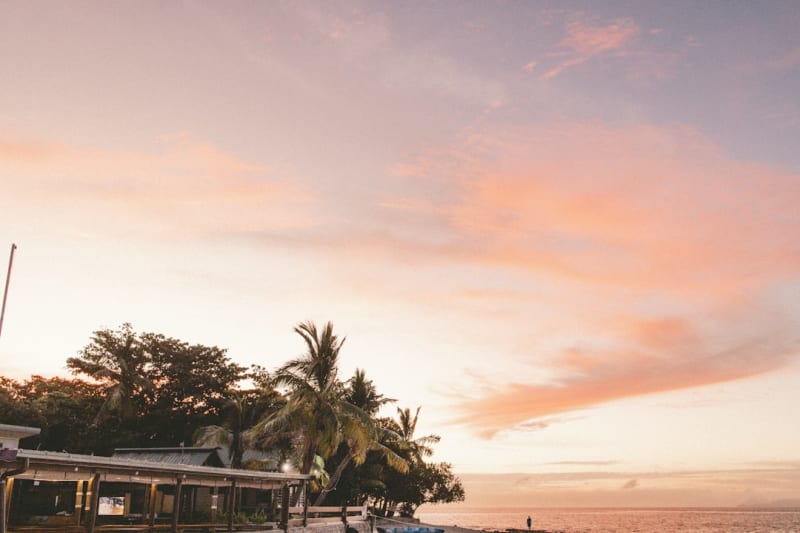 fiji
fiji Lami Town
Suva's scruffy, working waterfront suburb, home to fishing boatyards, the country's best curry houses, and a mangrove foreshore locals actually use rather than photograph.
Explore