Gau Island
"A ranger pointed at a flash of red and green in the canopy and said, quietly, that's a bird you can only see here. I've thought about that sentence since."
Fiji's sixth-largest island, a volcanic dome ringed by reef and home to the last stronghold of the endangered collared lory, with barely any tourism to speak of.
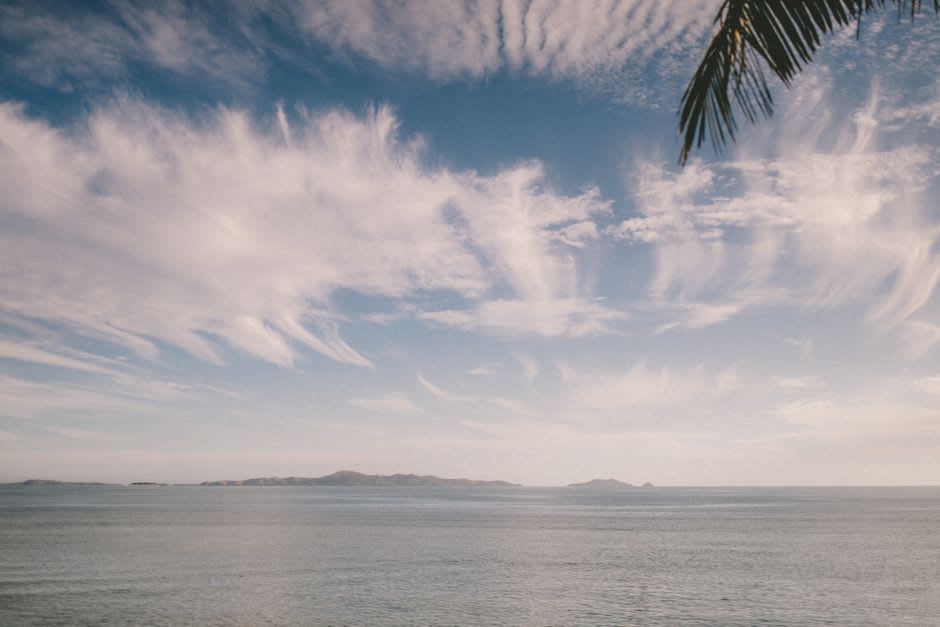
Gau is a short flight from Suva to a grass airstrip near the village of Somosomo, or a longer boat crossing from the mainland, and it arrives as a single steep volcanic cone rising almost straight from the sea, ringed by a barrier reef that keeps the water inside it flat and shallow for long stretches. There is one basic guesthouse operation on the island, run out of a village, and beyond that visitors are essentially staying as guests of whichever family agrees to host them — which is how I ended up, through a chain of introductions that started with a dive shop owner in Suva, staying with a family in the village of Lekanai for four nights.
Gau’s main claim beyond its reef is ecological: the island’s forested interior is the last significant stronghold of the Fiji petrel, one of the rarest seabirds on earth, and of the collared lory, a small, vividly coloured parrot found almost nowhere else. A ranger working with a conservation programme based on the island, a soft-spoken man named Petero, took me on a dawn walk into the interior forest specifically to look for lories, and after ninety minutes of near-total silence pointed wordlessly at a branch where a pair sat preening each other, red and green against the green canopy, entirely unbothered by us for the four or five minutes we watched before they moved on.
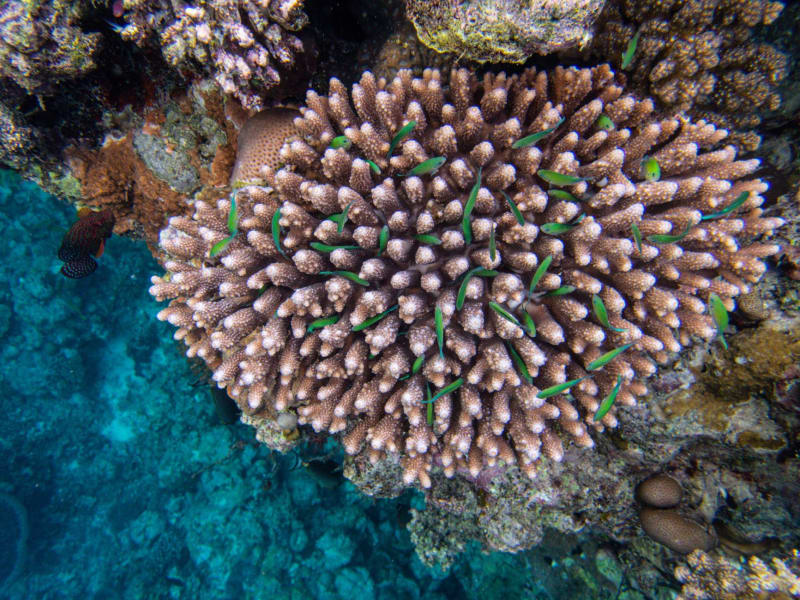
The reef around Gau, particularly a channel on the island’s southeastern side, is known among the small circle of divers who make it out here for manta ray sightings almost as reliable as Kadavu’s, minus any of the infrastructure. I went out with two local fishermen who doubled as informal dive guides, in a boat with no name and an outboard motor that needed encouraging every few minutes, and spent forty minutes with three mantas circling a cleaning station in water so clear I could see the boat’s shadow on the seafloor fifteen metres down.
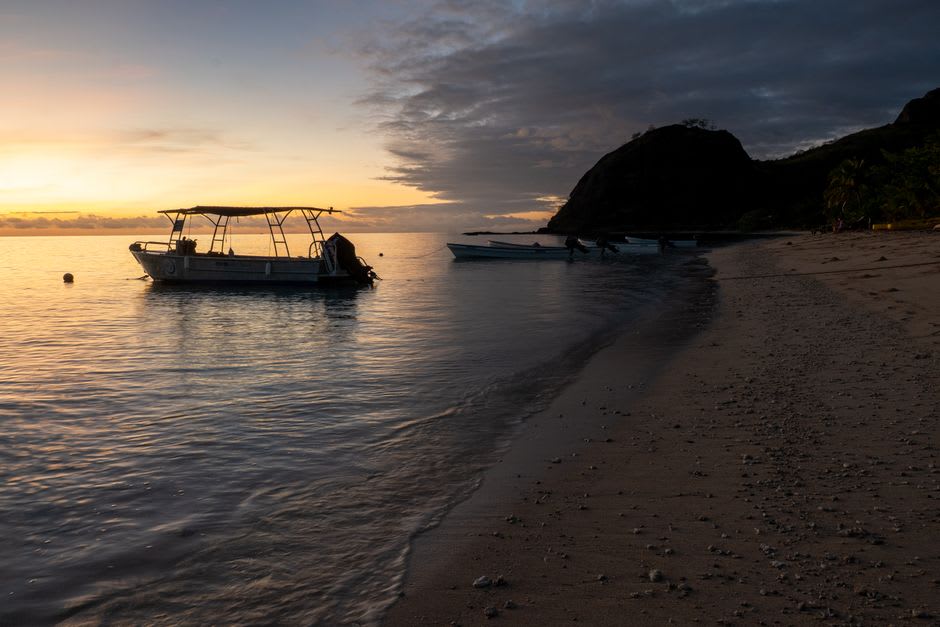
Village life on Gau moves at the pace you’d expect of a place with no real tourism economy — mornings are for gardens and fishing, afternoons slow considerably, and evenings gather around whoever’s veranda has the most people already sitting on it. I left feeling like I’d been allowed to witness something rather than consume it.
When to go: May through October for reliable flights, calmer seas, and the best chance of clear water for manta sightings. Arranging a visit requires patience and local contacts rather than a booking website, so build in flexibility.
Keep exploring
More from Fiji
 fiji
fiji Kadavu
Fiji's fourth-largest island and one of its least visited, where the Great Astrolabe Reef draws serious divers and village life runs exactly as it has for generations.
Explore fiji
fiji Kavala Bay
A deep, mangrove-fringed inlet on Kadavu's south coast where mud crabbing, not diving, is the main event, and the pace of the day is set by the tide rather than the clock.
Explore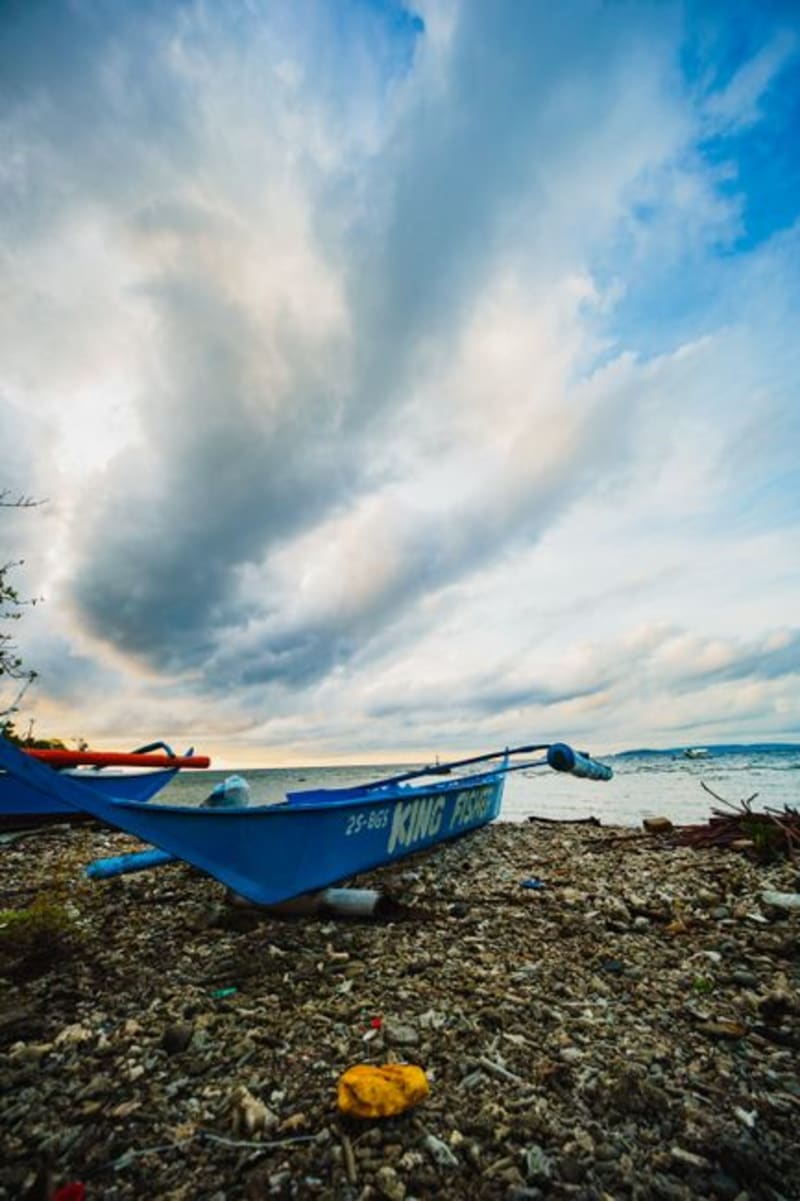 fiji
fiji King's Road, Tailevu Coast
The winding coastal highway northeast of Suva, strung with copra plantations, mission villages, and roadside stalls, that most visitors only glimpse from a bus window on the way to somewhere else.
Explore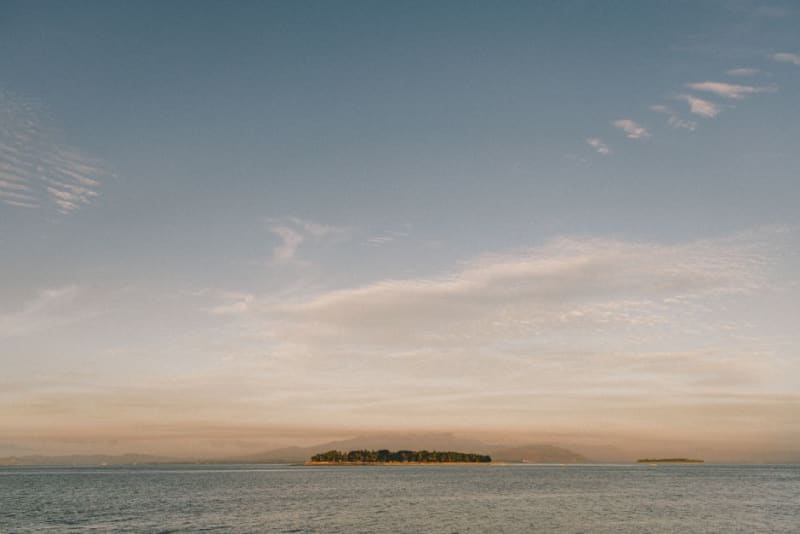 fiji
fiji Kioa Island
A small island off Vanua Levu settled by Tuvaluan islanders in the 1940s, where a Polynesian community lives inside a Melanesian nation and nobody makes a fuss about it.
Explore fiji
fiji Koro Island
One of the largest islands in the Lomaiviti group and one of the least visited, a long volcanic ridge of copra plantations, waterfalls, and villages that see maybe a handful of foreigners a year.
Explore fiji
fiji Korotogo
A low-key beach settlement wedged between resort properties on the Coral Coast, where the coastal footpath and a scrappy local surf break outlast the marketing.
Explore