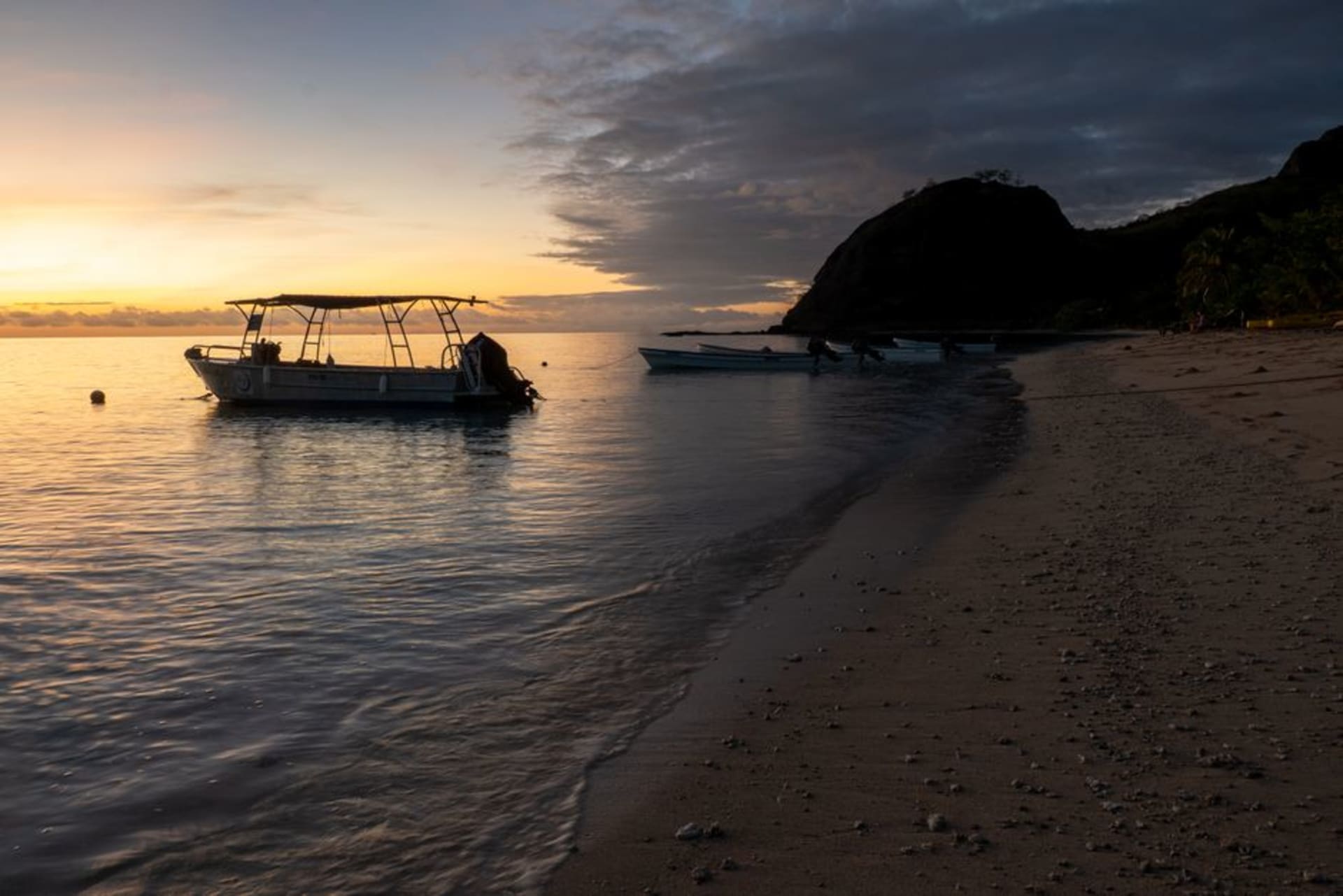
A working fishing harbour south of Pacific Harbour where the boats to Beqa and Yanuca actually leave from, and the morning fish market runs on its own unhurried clock.
Most people pass through Galoa without noticing they’ve passed through it — it’s the turnoff south of Pacific Harbour where the resort transfer vans peel off toward the marina, and the harbour itself, a scatter of jetties and corrugated sheds a few hundred metres further along the coast road, doesn’t appear in the itineraries at all. I ended up there because our boat to Yanuca Island left from the public jetty rather than the resort dock, a scheduling quirk that turned out to be one of the better accidents of the trip.
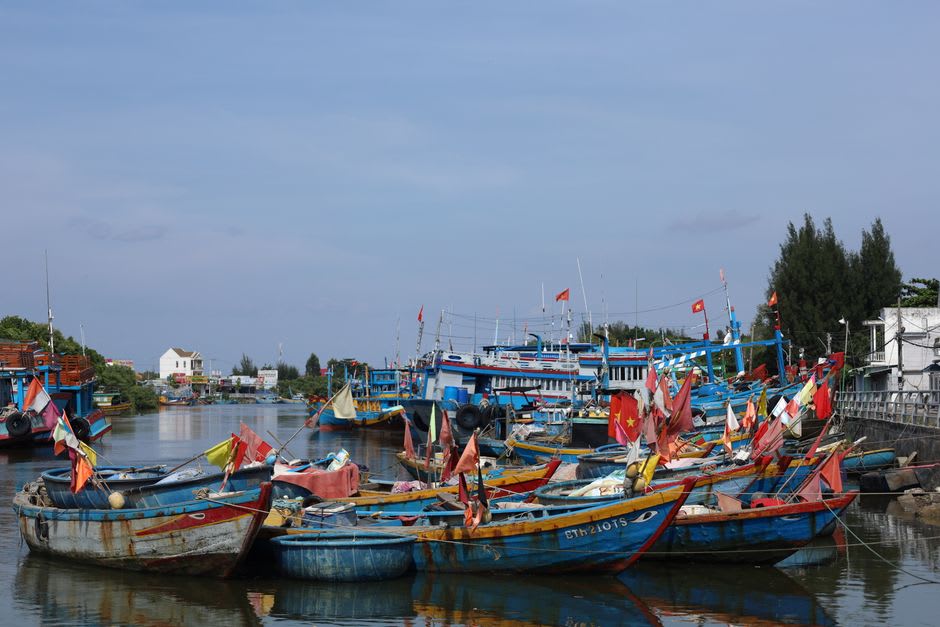
The harbour runs on fishing, not tourism, and it shows in the small details: the ice trucks idling before dawn, the women setting up folding tables with the night’s catch still glistening, walu and trevally and the occasional reef shark caught as bycatch and sold off fast because nobody wants to explain a protected species to the fisheries officer who does occasional rounds. I got there at six in the morning to catch the boat and ended up staying an extra hour just watching the market assemble, buying a bag of small reef fish from a woman who insisted on frying two of them for me on a portable gas burner right there on the dock, wrapped in newspaper, eaten standing up while the sun came fully over Beqa across the channel.
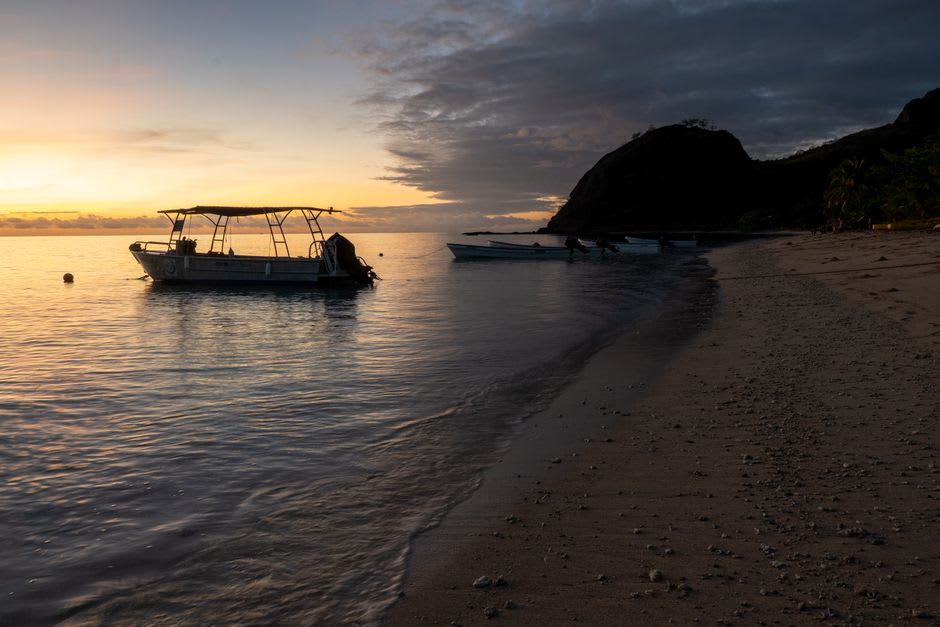
The channel crossing from Galoa to Beqa or Yanuca is shorter than the one from the Pacific Harbour marina proper, and rougher, since you’re more exposed to the open water between the reef passages. Our boatman, an older man who’d clearly made this run several thousand times, timed the swell without seeming to look at it, gunning the outboard through the gaps between sets in a way that felt more like reading a heartbeat than navigating water. Lia, who gets seasick more readily than I do, spent the crossing focused hard on the horizon and declared it “fine, actually, better than the ferry to Cozumel,” which from her is close to a five-star review.
There’s a single roadside kava bar near the harbour turnoff where the fishermen gather after their morning runs, and if you linger past the market hour someone will usually wave you over. I sat with three men mending a net for the better part of an afternoon, understanding maybe one word in five, and left having learned more about the practical realities of small-scale Fijian fishing than any brochure could have given me.
When to go: Arrive before 6:30 a.m. if you want to see the market at its fullest — by eight it has mostly packed up. The crossing to Beqa and Yanuca runs calmest May through October; outside that window, confirm with your boat operator before making the drive down, since afternoon crossings get cancelled in rough weather more often than the morning ones.
Keep exploring
More from Fiji
 fiji
fiji Gau Island
Fiji's sixth-largest island, a volcanic dome ringed by reef and home to the last stronghold of the endangered collared lory, with barely any tourism to speak of.
Explore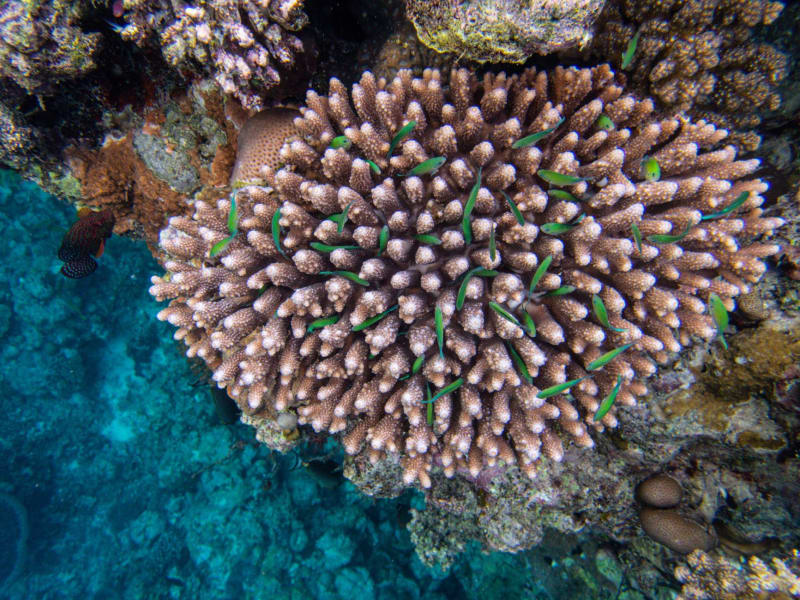 fiji
fiji Kadavu
Fiji's fourth-largest island and one of its least visited, where the Great Astrolabe Reef draws serious divers and village life runs exactly as it has for generations.
Explore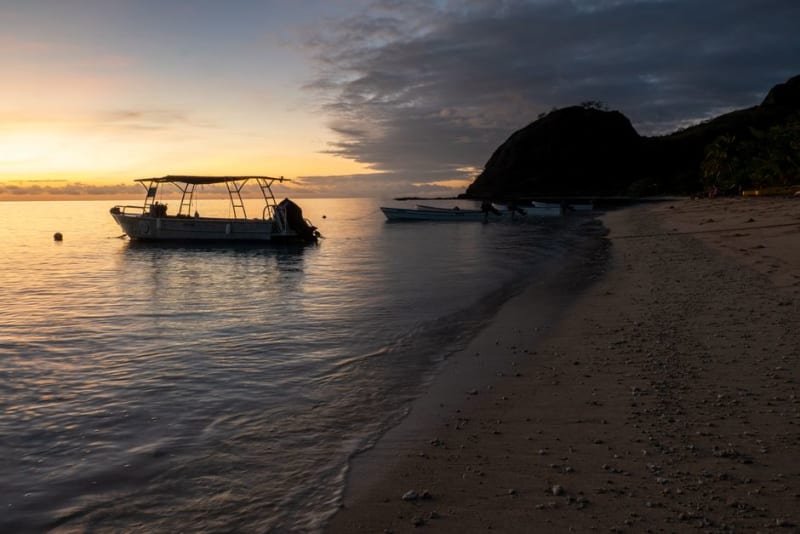 fiji
fiji Kavala Bay
A deep, mangrove-fringed inlet on Kadavu's south coast where mud crabbing, not diving, is the main event, and the pace of the day is set by the tide rather than the clock.
Explore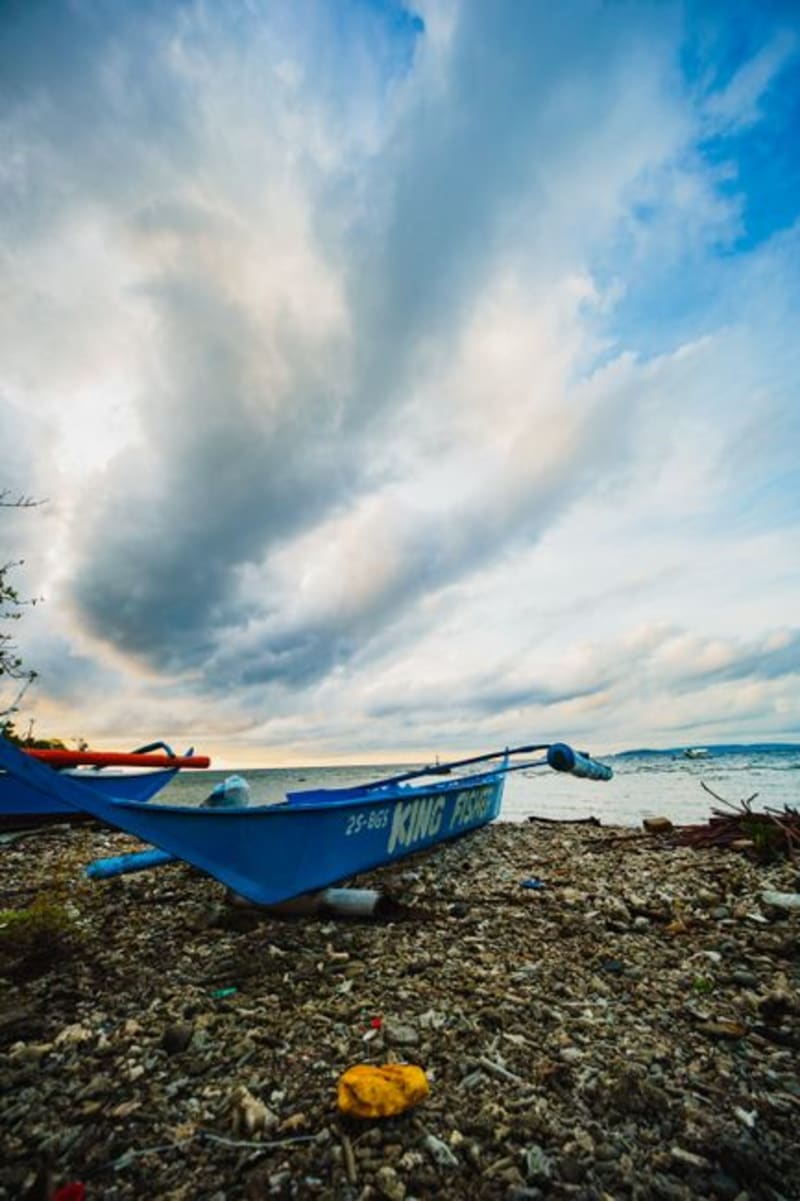 fiji
fiji King's Road, Tailevu Coast
The winding coastal highway northeast of Suva, strung with copra plantations, mission villages, and roadside stalls, that most visitors only glimpse from a bus window on the way to somewhere else.
Explore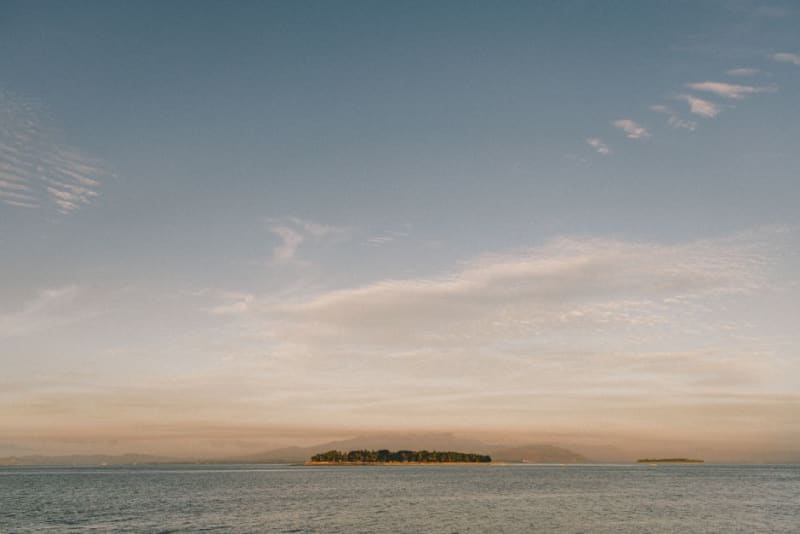 fiji
fiji Kioa Island
A small island off Vanua Levu settled by Tuvaluan islanders in the 1940s, where a Polynesian community lives inside a Melanesian nation and nobody makes a fuss about it.
Explore fiji
fiji Koro Island
One of the largest islands in the Lomaiviti group and one of the least visited, a long volcanic ridge of copra plantations, waterfalls, and villages that see maybe a handful of foreigners a year.
Explore